
 Pin It
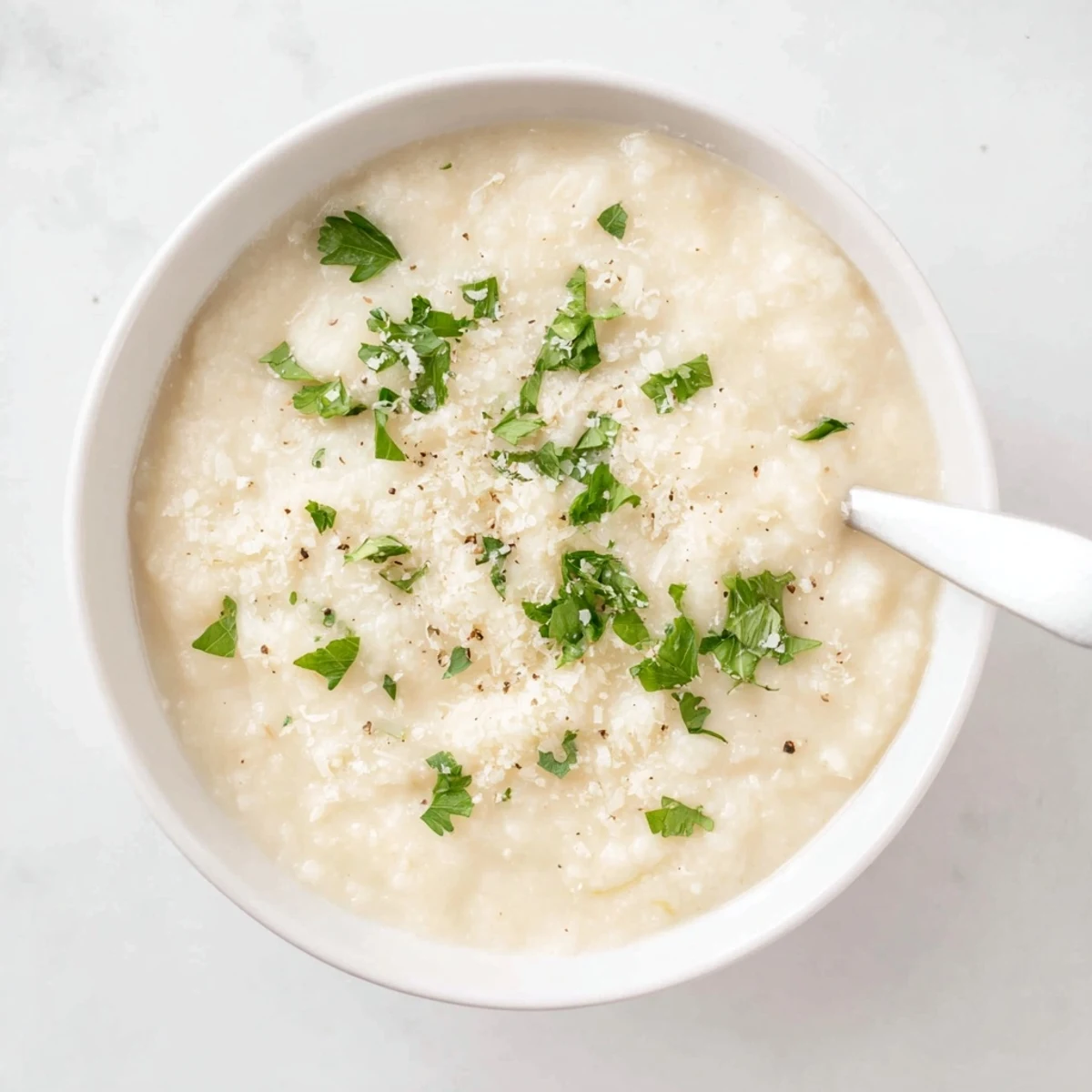
 This velvety soup transforms humble cauliflower into something extraordinary through roasting, which deepens the vegetable's natural sweetness. The roasted garlic adds mellow depth without harsh bites, while aged Asiago brings a salty, nutty richness that perfectly complements the earthy cauliflower base.
The method is straightforward: roast your vegetables until golden, simmer with aromatic vegetables, then blend until silky smooth. A final addition of Asiago and milk creates that luxurious creaminess that makes this soup so satisfying.
Perfect alongside crusty bread for dipping, this comforting bowl comes together in just over an hour and yields enough for four generous servings. The soup naturally accommodates various dietary needs—it's already vegetarian and gluten-free, with simple swaps available for dairy-free versions.
The smell of roasting garlic drifting through my apartment changed everything I thought I knew about cauliflower soup. My neighbor had brought over an extra head of cauliflower from her CSA box, and I was determined to make something that felt indulgent rather than virtuous. That first batch, with its golden chunks and pockets of sweet roasted garlic, disappeared faster than I thought possible.
I made this soup during a particularly brutal winter when my friends were stuck at home with sick kids. Dropped off on doorsteps in mason jars, it became the thing that got us through those long grey weeks. Something about hot, cheesy comfort food feels like a hug when you need it most.
Ingredients
- 1 large head cauliflower: Cutting into evenly sized florets ensures everything roasts at the same rate
- 1 whole garlic bulb: Roasting transforms sharp raw garlic into something spreadable and sweet
- 1 large yellow onion: Provides the aromatic foundation that builds depth as it cooks
- 2 medium carrots: Add natural sweetness and color that balances the savory elements
- 1 celery stalk: Brings a subtle backbone flavor that rounds out the vegetable profile
- 1 cup grated Asiago cheese: This aged cheese delivers a bold punch that milder varieties cant match
- 1 cup whole milk or half and half: Creates the velvety texture without making the soup too heavy
- 2 tbsp unsalted butter: Cooking the vegetables in butter adds richness right from the start
- 4 cups vegetable broth: Use a good quality broth since it provides the liquid base and seasoning foundation
- 2 tbsp olive oil: Helps the cauliflower and garlic caramelize beautifully in the oven
- 1/2 tsp salt and 1/4 tsp black pepper: Adjust these to taste at the end since cheese adds its own saltiness
- 1/4 tsp smoked paprika: Adds a subtle smoky note that makes the soup taste more complex
- 1/8 tsp ground nutmeg: A classic trick with creamy soups that enhances without dominating
Instructions
- Roast the vegetables:
- Preheat your oven to 400°F and slice the top off the garlic bulb to expose the cloves. Drizzle the garlic with 1 tablespoon olive oil and wrap it tightly in foil. Toss the cauliflower florets with the remaining olive oil on a baking sheet, then roast everything for 30 minutes until the cauliflower is golden and tender. Stir the cauliflower halfway through for even browning.
- Build the flavor base:
- While the vegetables roast, melt the butter in a large pot over medium heat. Add the chopped onion, sliced carrots, and celery, cooking for 5 to 6 minutes until softened and fragrant. This step creates the foundational aromatics that make the soup taste like it simmered all day.
- Combine and simmer:
- Squeeze the roasted garlic cloves from their skins directly into the pot, then add the roasted cauliflower. Pour in the vegetable broth and bring everything to a gentle simmer. Let it cook for 10 minutes so all the roasted flavors meld together with the fresh vegetables.
- Blend to perfection:
- Remove the pot from heat and use an immersion blender to puree the soup until completely smooth. If you are using a countertop blender, work in batches and be careful with hot liquids. No one wants an exploding blender situation.
- Add the creamy finish:
- Stir in the grated Asiago cheese and milk, returning the pot to low heat. Stir continuously until the cheese melts completely and the soup becomes silky and creamy. Season with salt, pepper, smoked paprika, and nutmeg, tasting as you go.
- Serve with style:
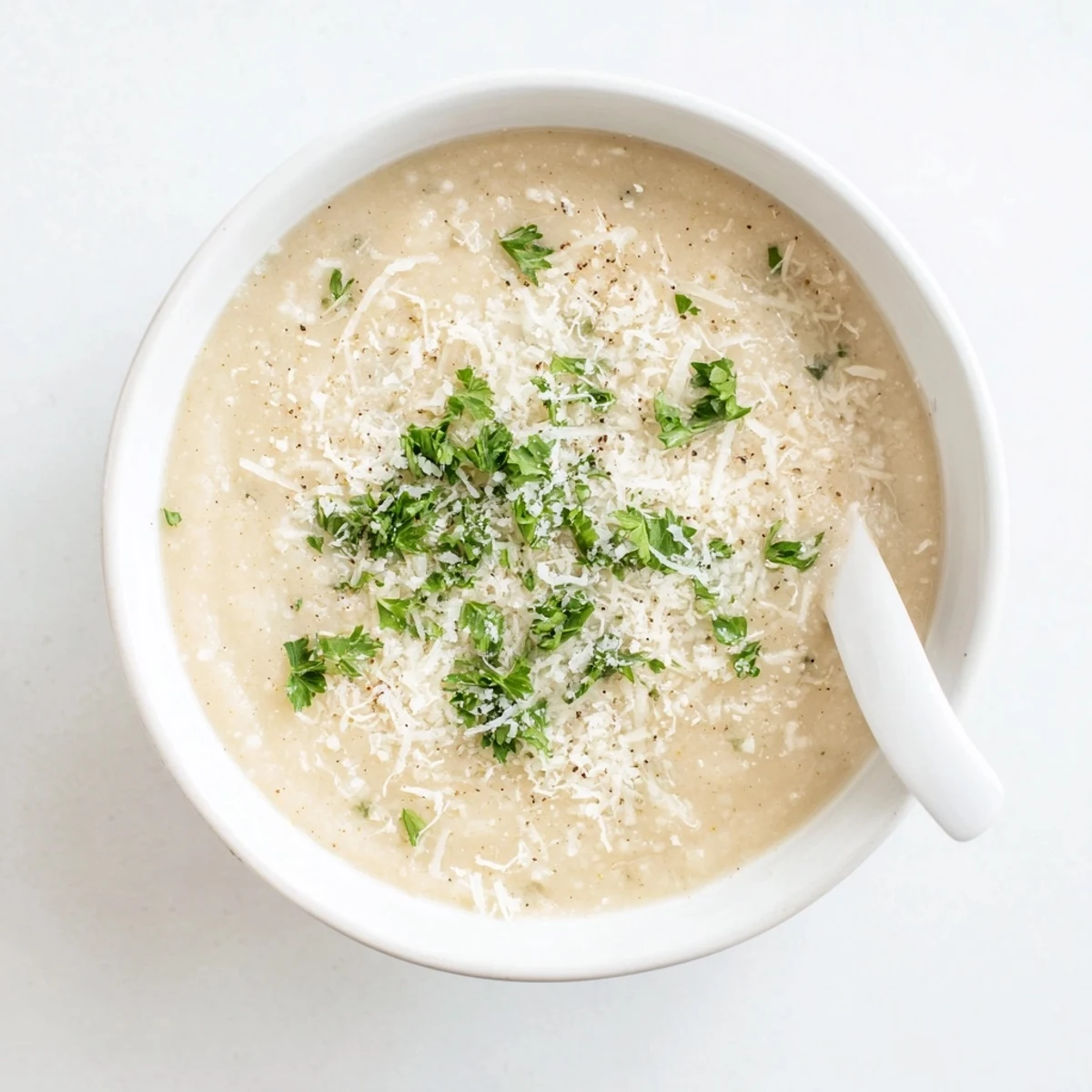
- Ladle the hot soup into bowls and garnish with chopped fresh parsley or chives. An extra sprinkle of grated Asiago on top never hurt anyone. Serve immediately while it is steaming hot.
 Pin It
 This soup has become my go to when someone needs comfort but I do not have hours to spend at the stove. There is something about the combination of roasted vegetables and melted cheese that feels like an embrace in a bowl.
Make It Your Own
I have discovered that swapping in half and half instead of whole milk creates an incredibly luxurious texture without much extra effort. The slight increase in fat content makes each spoonful feel restaurant quality.
Serving Suggestions
A thick slice of crusty sourdough bread for dipping is practically mandatory in my house. The way the broth soaks into those airy holes creates the perfect bite every single time.
Storage and Reheating
This soup actually tastes better the next day as the flavors continue to develop. Store it in an airtight container in the refrigerator for up to four days. Reheat gently over low heat, adding a splash of milk if it has thickened too much. The texture remains remarkably creamy despite the cooling and reheating process.
- Frozen portions last up to three months but may separate slightly upon thawing
- A quick whirl with the immersion blender restores the smooth texture
- Always thaw overnight in the refrigerator before reheating
 Pin It
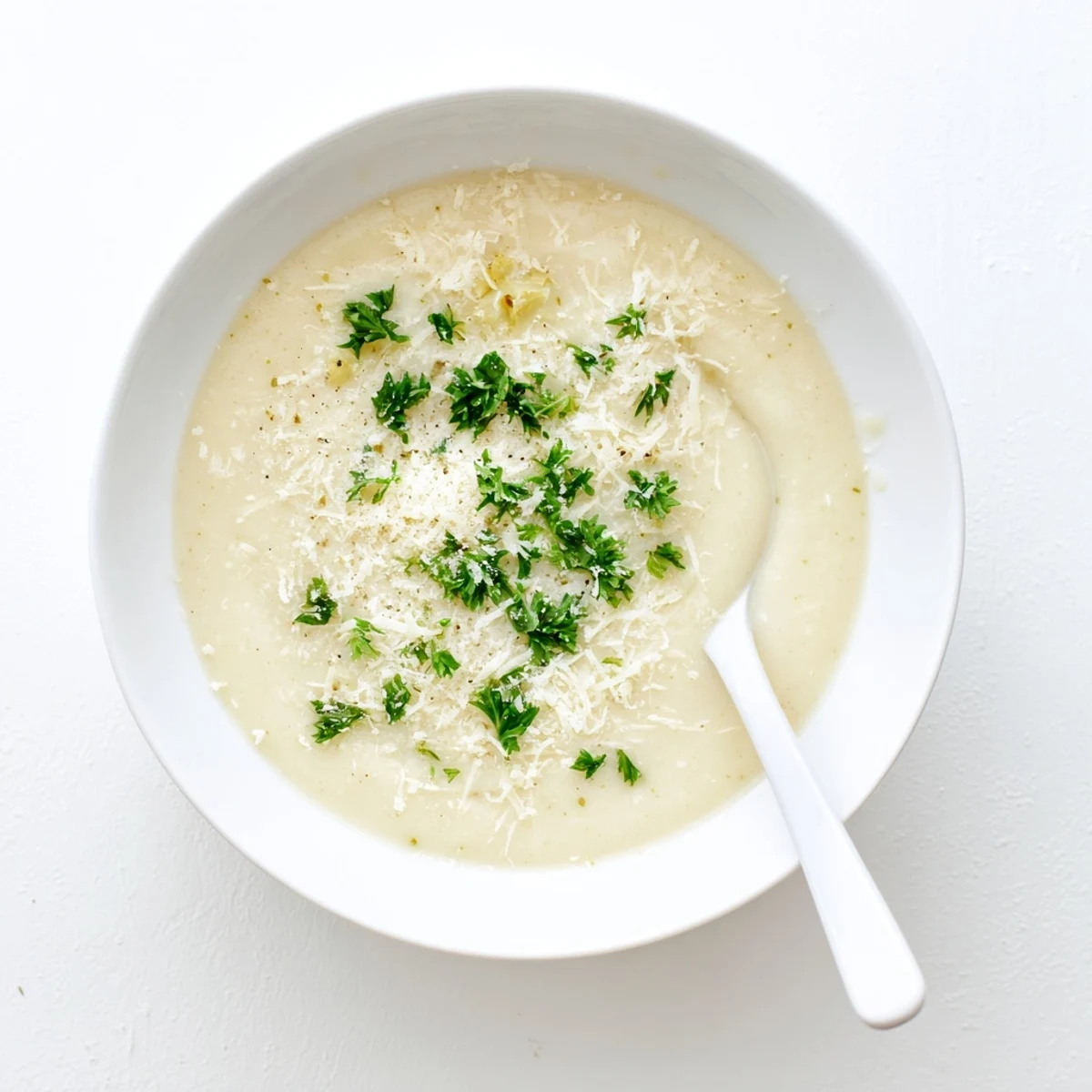
 There is nothing quite like a bowl of this soup on a cold evening to make everything feel right with the world.
Recipe FAQs
- → Can I make this soup ahead of time?
-
Absolutely. This soup actually develops deeper flavor when made 1-2 days ahead. Store in an airtight container in the refrigerator. Reheat gently over low heat, stirring occasionally. You may need to add a splash of milk or broth when reheating if it has thickened.
- → What can I substitute for Asiago cheese?
-
Parmesan or Romano work beautifully as alternatives, offering similar salty, nutty profiles. Aged Gouda or sharp white cheddar create slightly different but equally delicious variations. Just keep in mind that flavor intensity varies, so adjust quantities to taste.
- → How do I achieve the smoothest texture?
-
Roasting the cauliflower until deeply golden is key—it breaks down fibers for easier blending. An immersion blender works well, but a high-speed countertop blender produces the silkiest results. Blend in batches if using a standard blender, and never fill beyond halfway when blending hot liquids.
- → Can I freeze this soup?
-
Yes, though the texture may change slightly upon thawing. Freeze in portion-sized containers for up to 3 months. Thaw overnight in the refrigerator. The soup might appear separated after freezing—simply reheat while whisking vigorously, or give it a quick buzz with the immersion blender to restore creaminess.
- → How can I make this dairy-free?
-
Use full-fat canned coconut milk or unsweetened oat milk instead of dairy milk. Replace Asiago with nutritional yeast mixed with a bit of miso paste for that savory depth, or use a high-quality vegan cheese alternative. Olive oil can stand in for butter when sautéing vegetables.
- → What toppings complement this soup?
-
Beyond extra grated Asiago and fresh herbs, try toasted pine nuts or pumpkin seeds for crunch. A drizzle of good-quality olive oil or a spoonful of caramelized onions adds richness. For protein, top with crispy pancetta or roasted chickpeas. Crusty bread is essential for soaking up every last drop.