
 Pin It
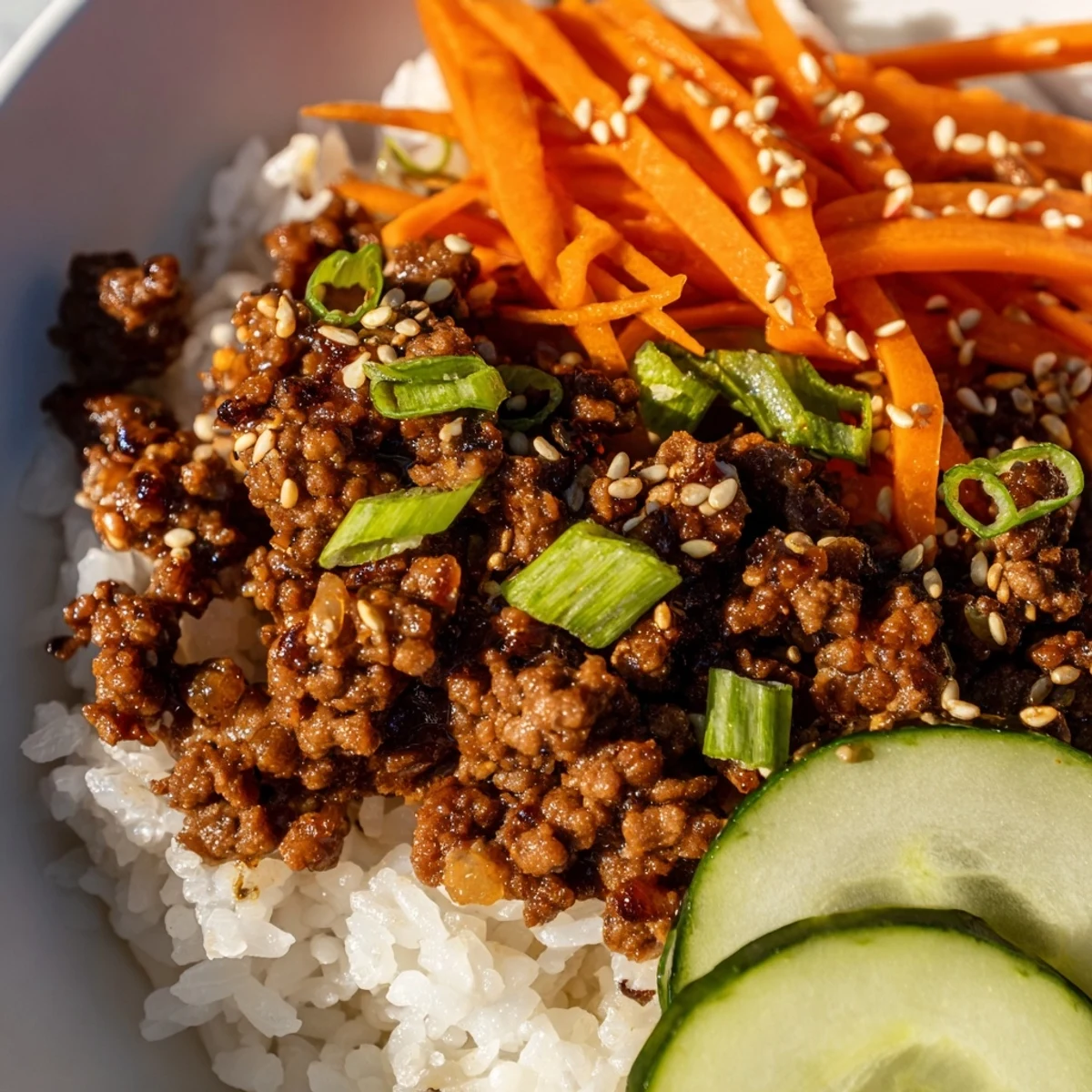
 These Korean-inspired beef bowls come together in just 25 minutes, making them perfect for busy weeknights. Ground beef gets coated in a sweet and savory sauce made with soy sauce, brown sugar, sesame oil, garlic, ginger, and gochujang for that authentic Korean flavor profile.
Steam some jasmine rice while the beef cooks, then assemble everything in bowls with crisp julienned carrots, cool cucumber slices, and fresh scallions. The contrast between the hot, savory beef and the cool, crunchy vegetables makes every bite satisfying.
Customize the heat level with gochujang or red pepper flakes, and add kimchi or fresh cilantro if you like. These bowls are naturally dairy-free and can be made gluten-free with tamari. Substitute ground turkey, chicken, or tofu to suit your preferences.
My tiny apartment kitchen smelled incredible when I first attempted Korean-style beef bowls after a particularly brutal Tuesday at work. The combination of sizzling garlic, ginger, and sesame oil filled every corner of the space, making me forget my exhaustion. Something about the balance of savory, sweet, and just enough heat felt like a warm hug in bowl form. Now it's my go-to when I need dinner that feels special but comes together faster than takeout would arrive.
Last summer my roommate wandered in mid-cooking and hovered around the stove asking what smelled so good. She ended up texting three friends to come over for impromptu dinner bowls, and we all sat cross-legged on the living room floor eating straight from our bowls. There's something communal and comforting about building your own bowl, piling on extra cucumber or another spoonful of spicy beef. That night turned into a weekly tradition.
Ingredients
- 500 g lean ground beef: Ground beef absorbs all that Korean-style sauce beautifully and cooks up quickly, though I've discovered ground turkey works surprisingly well too
- 60 ml low-sodium soy sauce: The salty backbone of our sauce, but using low-sodium lets you control the salt level better
- 2 tbsp light brown sugar: Balances the salty elements and helps create that gorgeous caramelized coating on the beef
- 1 tbsp sesame oil: This is non-negotiable for authentic Korean flavor, and toasted sesame oil adds a wonderful nutty depth
- 4 garlic cloves, minced: Fresh garlic makes all the difference here, so please skip the jarred stuff
- 1 tbsp freshly grated ginger: Grate it yourself for the best flavor, and don't worry about peeling it perfectly first
- 1 tbsp gochujang: Korean chili paste brings subtle heat and fermentation depth, though red pepper flakes work in a pinch
- 2 tsp rice vinegar: Adds brightness that cuts through the rich beef and sweet sugar
- 300 g jasmine rice: Jasmine rice has beautiful fragrance and fluffy texture that pairs perfectly with saucy beef
- 480 ml water: For perfectly cooked rice, use this 2 to 1 ratio
- 2 medium carrots, julienned: Fresh crunch and sweetness to balance the warm beef
- 1 small cucumber, thinly sliced: Cool and refreshing against the spiced meat
- 4 scallions, thinly sliced: Fresh oniony bite and pretty green color
- 2 tbsp toasted sesame seeds: Toast them in a dry pan for extra nutty flavor before sprinkling on top
- Kimchi and fresh cilantro: Optional but highly recommended for extra authenticity and fresh herbal notes
Instructions
- Get the rice going first:
- Rinse your jasmine rice under cold water until it runs clear, then add it to a saucepan with the water and bring to a boil before reducing to a gentle simmer and covering tightly for about 12 to 15 minutes until perfectly tender and fluffy.
- Whisk together the sauce:
- In a small bowl, combine the soy sauce, brown sugar, sesame oil, minced garlic, grated ginger, gochujang or red pepper flakes, and rice vinegar, whisking until the sugar dissolves completely.
- Brown the beef:
- Heat a large skillet over medium-high heat, add the ground beef, and break it up with a spatula as it cooks for about 5 minutes until nicely browned, draining any excess fat if needed.
- Add the magic sauce:
- Pour the sauce mixture over the browned beef and cook for another 2 to 3 minutes, stirring constantly until every bite is coated and the sauce has thickened slightly and clings to the meat.
- Build your bowls:
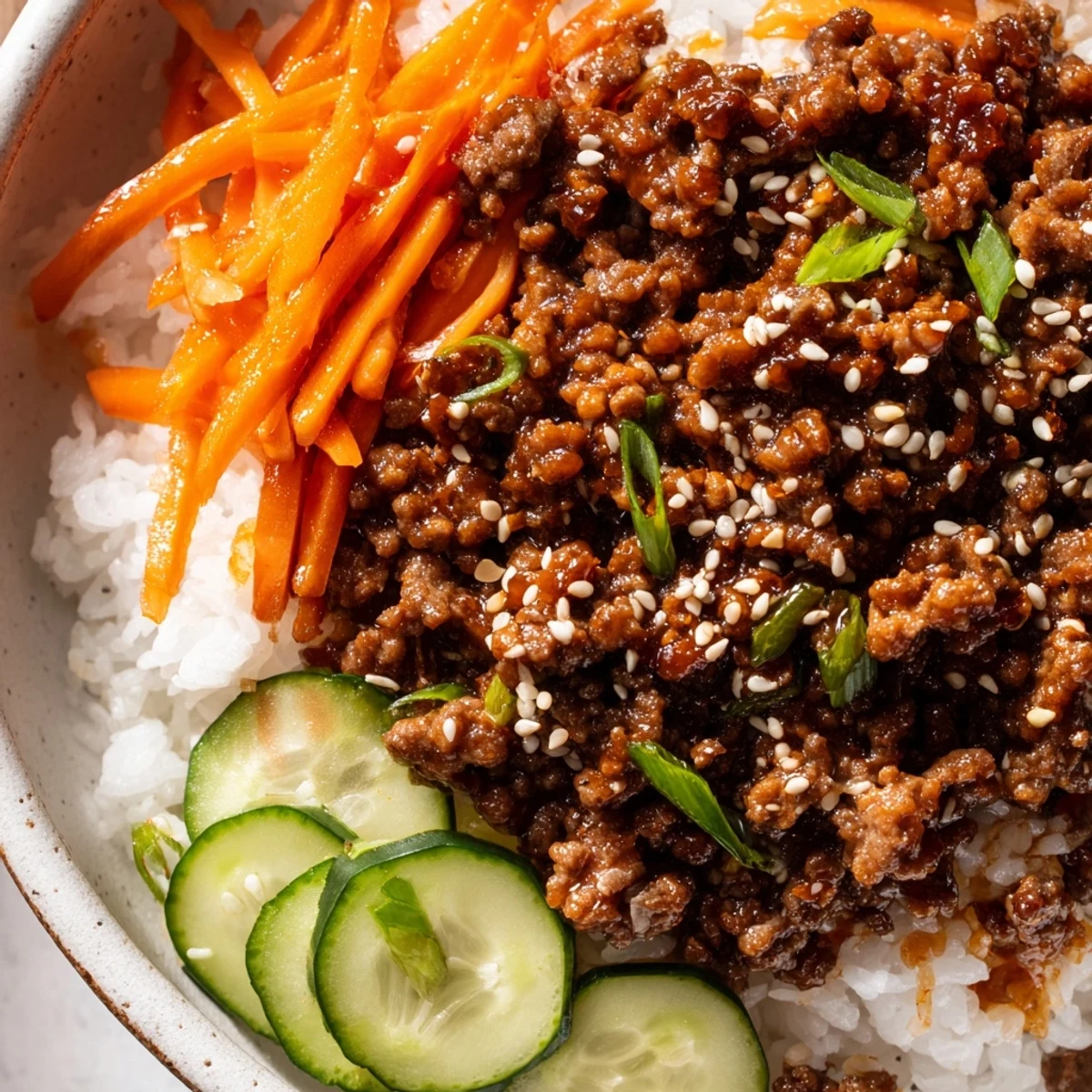
- Divide the fluffy rice among four bowls, top generously with the saucy beef, and arrange the carrots, cucumber, scallions, sesame seeds, and any optional toppings like kimchi or cilantro on top.
- Enjoy immediately:
- Serve right away while everything is still warm, encouraging everyone to mix everything together so the rice soaks up all that delicious sauce.
 Pin It
 My sister called me mid-bowl on her first attempt and whispered that she'd never make this for guests because she'd eat the entire recipe straight from the pan. That's the danger of this dish. It tastes restaurant-quality but comes together so fast that it's dangerous to have in your regular weeknight rotation.
Make It Your Own
Sometimes I swap in ground turkey or chicken when I want something lighter, and the sauce works beautifully with either. For a vegetarian version, crumbled extra-firm tofu or even mushrooms can stand in for the beef. The sauce is forgiving and adaptable, so feel free to experiment with what you have on hand.
Rice Wisdom
I've learned that rinsing rice until the water runs clear makes all the difference in texture. It removes excess starch so each grain stays separate and fluffy. If you have a rice cooker, absolutely use it, but the stovetop method works perfectly fine too. Just don't lift the lid while it simmers or you'll let out essential steam.
Topping Magic
The toppings aren't just garnish. They provide essential crunch, freshness, and contrast that makes each bite exciting. I like to prep everything in little bowls beforehand so I can arrange them prettily. The visual appeal of all those colors against the dark beef and white rice is part of the experience.
- Pickled radishes add amazing tang if you want to venture beyond basic toppings
- A fried egg on top with a runny yolk creates an incredibly rich sauce
- Extra gochujang on the side lets heat lovers customize their bowl
 Pin It
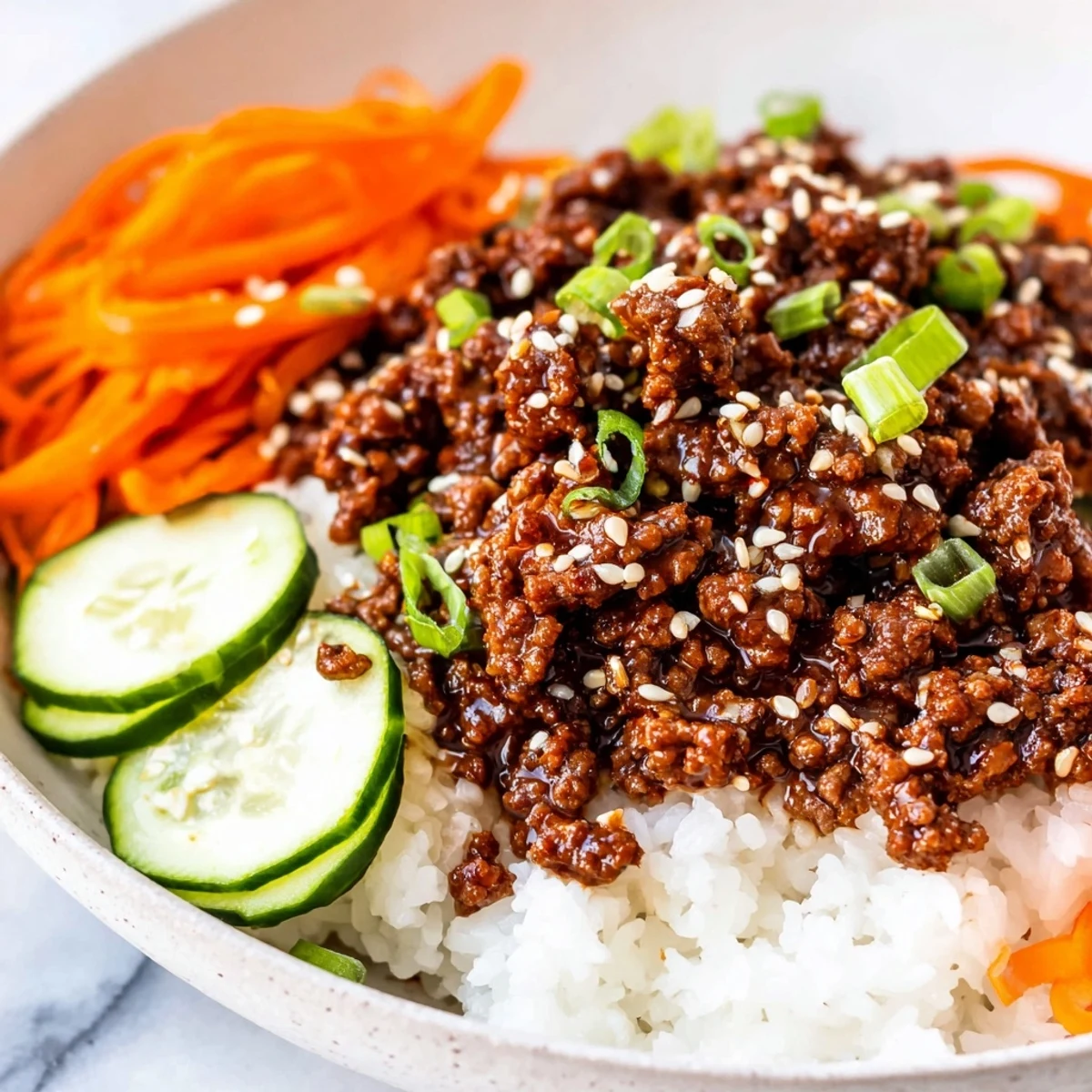
 These Korean beef bowls have saved more weeknights than I can count. Fast enough for Tuesday, special enough for Friday, and always, always delicious.
Recipe FAQs
- → Can I make this gluten-free?
-
Yes, simply substitute tamari for the soy sauce and ensure your gochujang is certified gluten-free. The rest of the ingredients are naturally gluten-free, making this an easy dish to adapt.
- → What can I use instead of ground beef?
-
Ground turkey or chicken work beautifully as lighter alternatives. For a vegetarian version, use crumbled firm tofu—just press it first to remove excess moisture so it absorbs the sauce properly.
- → How spicy are these bowls?
-
The spice level is customizable. Gochujang adds mild heat with deep flavor, while red pepper flakes provide sharper heat. Start with less and add more to taste—you can always serve extra chili paste on the side.
- → Can I prep components ahead?
-
Absolutely. The sauce can be mixed and stored in the refrigerator for up to a week. Vegetables can be julienned a day ahead. Cook the beef and rice fresh for the best texture and flavor.
- → What other toppings work well?
-
Sliced radishes, shredded cabbage, pickled carrots, or quick-pickled cucumbers add nice crunch and acidity. A fried egg on top makes it even more satisfying. Fresh herbs like basil or mint pair surprisingly well too.
- → How should I store leftovers?
-
Keep the beef, rice, and vegetables in separate airtight containers in the refrigerator for up to 3 days. Reheat the beef and rice gently, adding a splash of water if needed. Store vegetables cold and add them just before serving.