
 Pin It
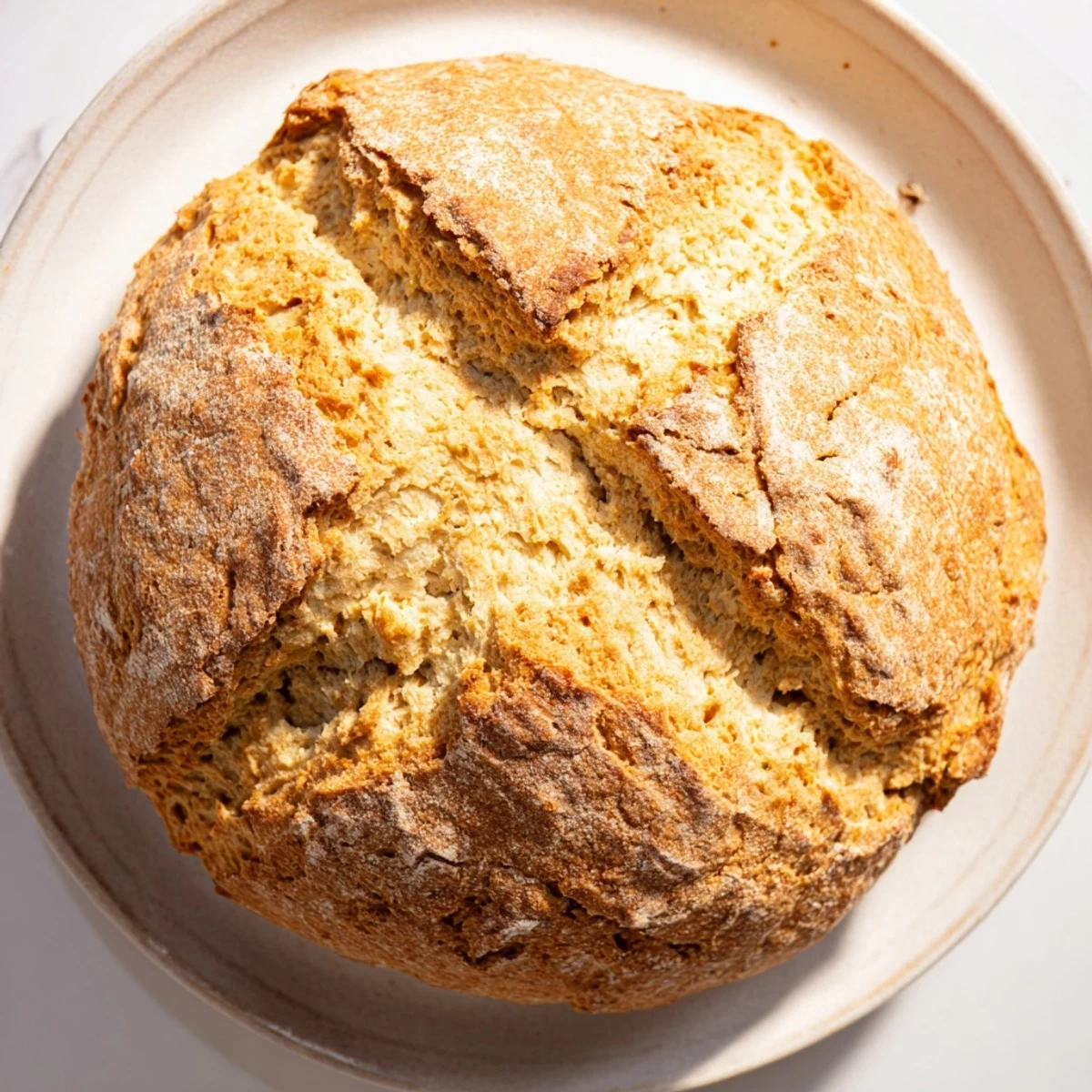
 This classic Irish soda bread combines just four ingredients to create a rustic, hearty loaf. The golden crust and tender crumb make it ideal for breakfast or as a side to warm stews. Preparing the dough is simple: flour, baking soda, salt, and buttermilk come together quickly without overworking. The loaf is baked at a high temperature, ensuring a crisp exterior and soft inside. Variations include using whole wheat flour or substituting buttermilk with milk and lemon juice. Perfect served warm with butter or jam.
The first time I attempted Irish soda bread, I stood in my kitchen doubting that four simple ingredients could transform into something edible. Forty-five minutes later, pulling this golden-crusted beauty from the oven, I realized I had stumbled upon the most forgiving bread imaginable. Now it is my emergency bake when comfort is needed but yeast feels like too much commitment.
Last winter, my neighbor texted at six p.m. asking if I had any bread to share with her sudden soup dinner. Within an hour, I delivered a still-warm loaf, and she texted back saying the house smelled like an Irish bakery. That is the kind of instant gratification this bread delivers.
Ingredients
- All-purpose flour: The foundation that gives structure and creates that satisfying crumb
- Baking soda: Works with buttermilk to create the rise—skip the yeast entirely
- Fine sea salt: Enhances flavor without overpowering the simple ingredients
- Buttermilk: The acidity activates baking soda while adding tenderness and slight tang
Instructions
- Get your oven ready:
- Preheat to 425°F and line a baking sheet with parchment paper
- Mix the dry ingredients:
- Whisk flour, baking soda, and salt in a large bowl until well combined
- Bring it together:
- Make a well in the center, pour in buttermilk, and stir gently until shaggy dough forms
- Shape with care:
- Turn onto floured surface, knead briefly just until combined, then shape into a round flat loaf
- Mark your bread:
- Cut a deep X across the top with a sharp knife to help it bake evenly
- Bake until golden:
- Bake 30 to 35 minutes until golden and hollow when tapped underneath
- Let it rest:
- Cool on a wire rack for at least 30 minutes before slicing into it
 Pin It
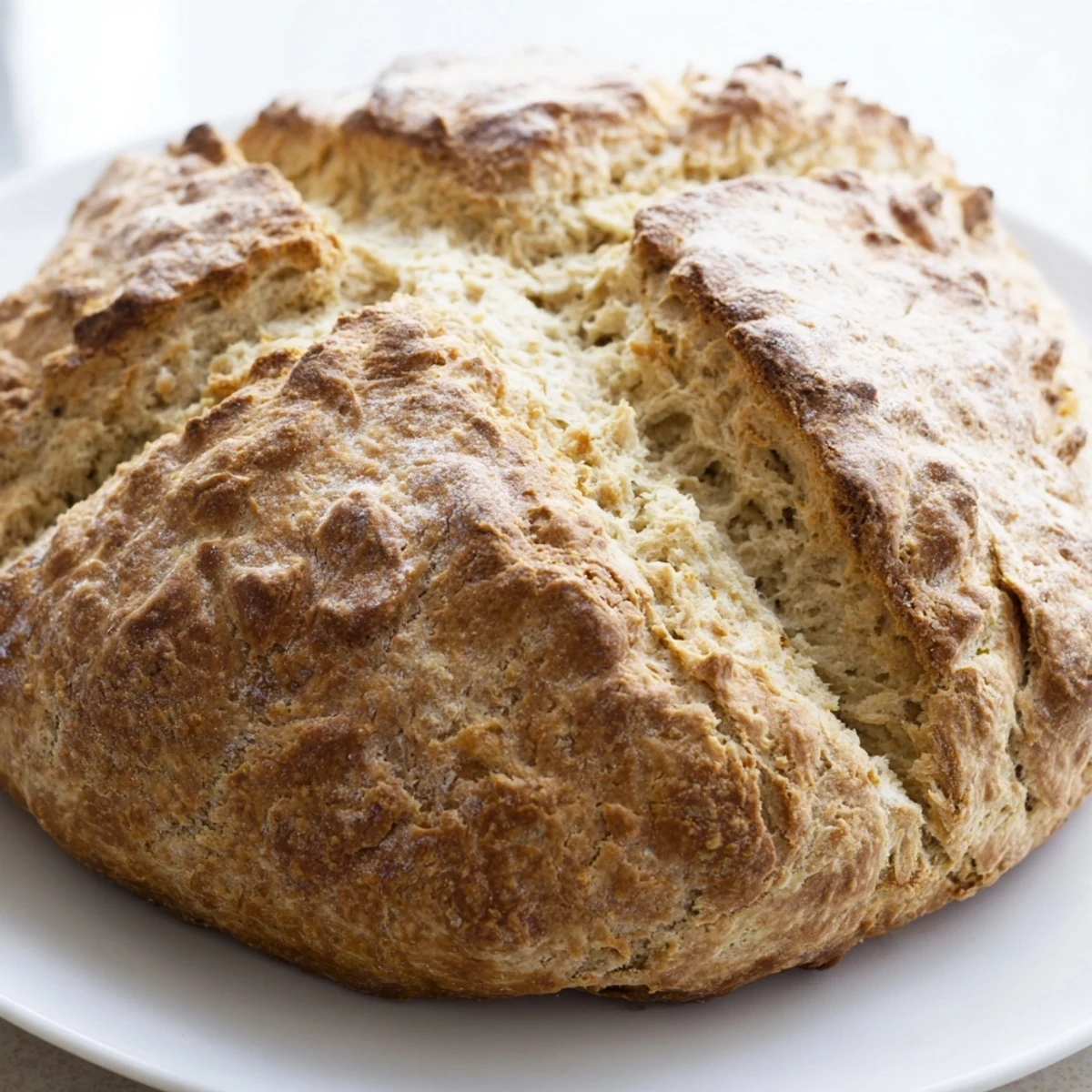
 My grandmother would have appreciated how this bread turns basic pantry staples into something special. She believed the best recipes are the ones that save you on days when you need homemade comfort without the fuss.
Choosing Your Flour
Half whole wheat flour adds nuttiness and texture, but keep some all-purpose for tenderness. I have found that using entirely whole wheat makes the bread dense and heavy, losing that signature light crumb.
The Buttermilk Secret
Real buttermilk makes a difference you can taste. In a pinch, milk mixed with lemon juice works, but the texture becomes slightly less tender and the crust does not achieve quite the same golden color.
Storage and Serving
This bread tastes best the day it is baked, but leftovers make excellent toast. The crust softens overnight, but a quick refresh in the oven brings back that irresistible crunch.
- Wrap cooled bread in a clean kitchen towel to maintain the crust
- Freeze sliced portions for quick weekday breakfasts
- Warm leftovers at 350°F for 10 minutes to refresh the crust
 Pin It
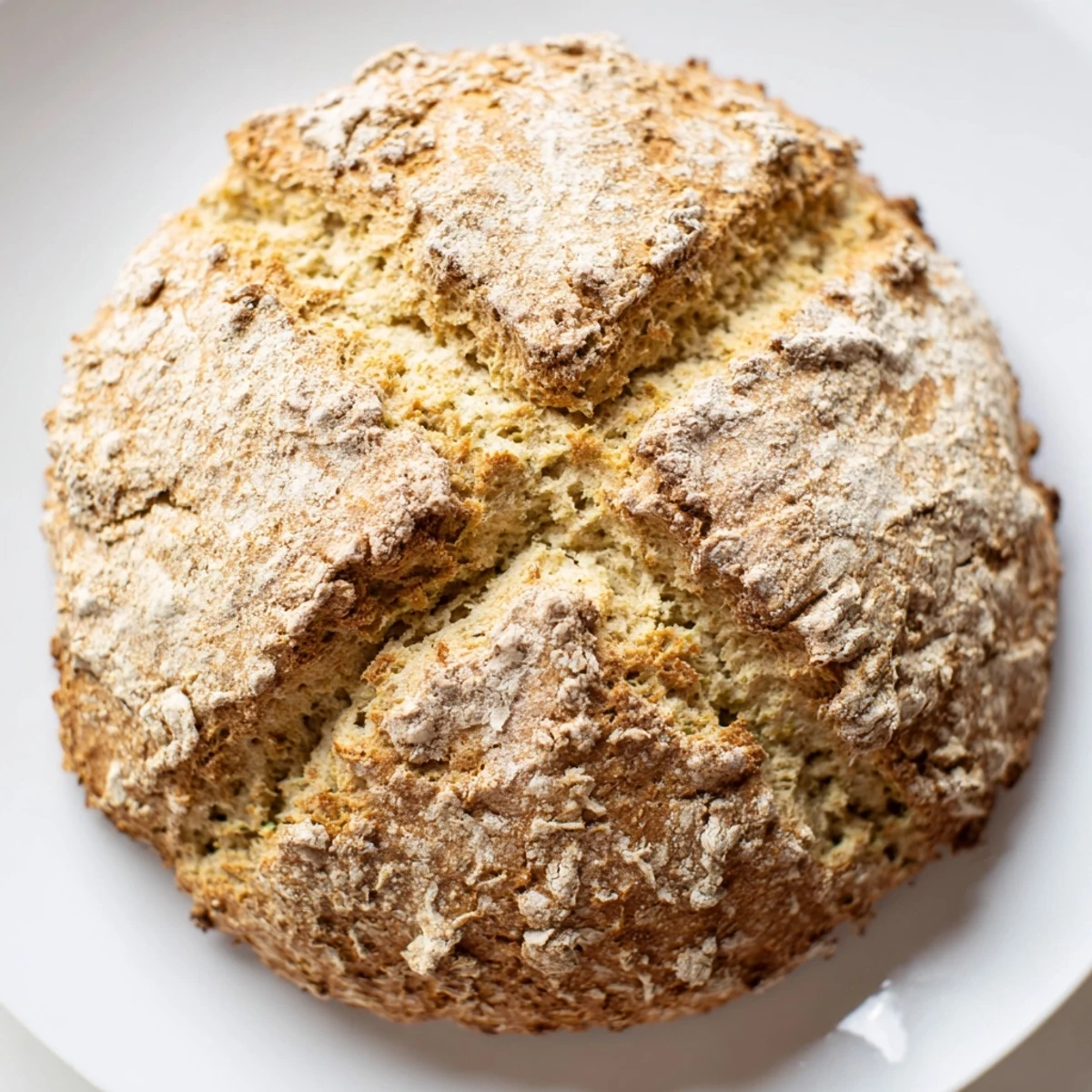
 There is something deeply satisfying about serving homemade bread that required almost no effort but tastes like you spent all day in the kitchen.
Recipe FAQs
- → What gives Irish soda bread its rise?
-
Baking soda reacts with the acidity in buttermilk, producing carbon dioxide gas that helps the dough rise without yeast.
- → Can I use a substitute for buttermilk?
-
Yes, you can mix milk with lemon juice or vinegar and let it sit for 5 minutes to mimic buttermilk’s acidity.
- → How do I know when the bread is baked properly?
-
When the bread sounds hollow after tapping the bottom and has a golden crust, it is fully baked.
- → What texture should the crumb have?
-
The crumb should be tender and slightly dense, not too heavy, reflecting the simplicity of the ingredients.
- → Can whole wheat flour be used?
-
Yes, substituting half of the all-purpose flour with whole wheat adds a richer flavor and denser texture.