
 Pin It
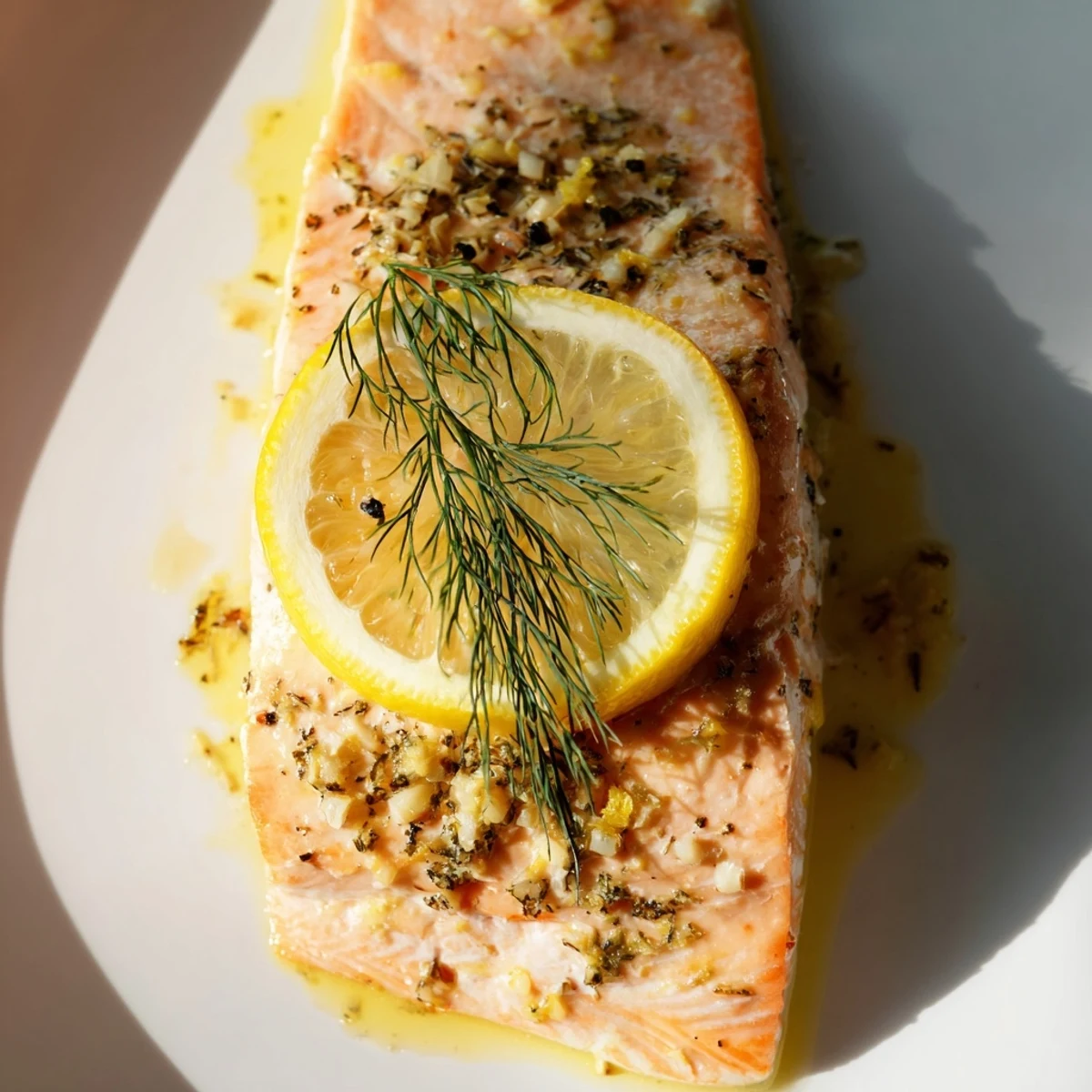
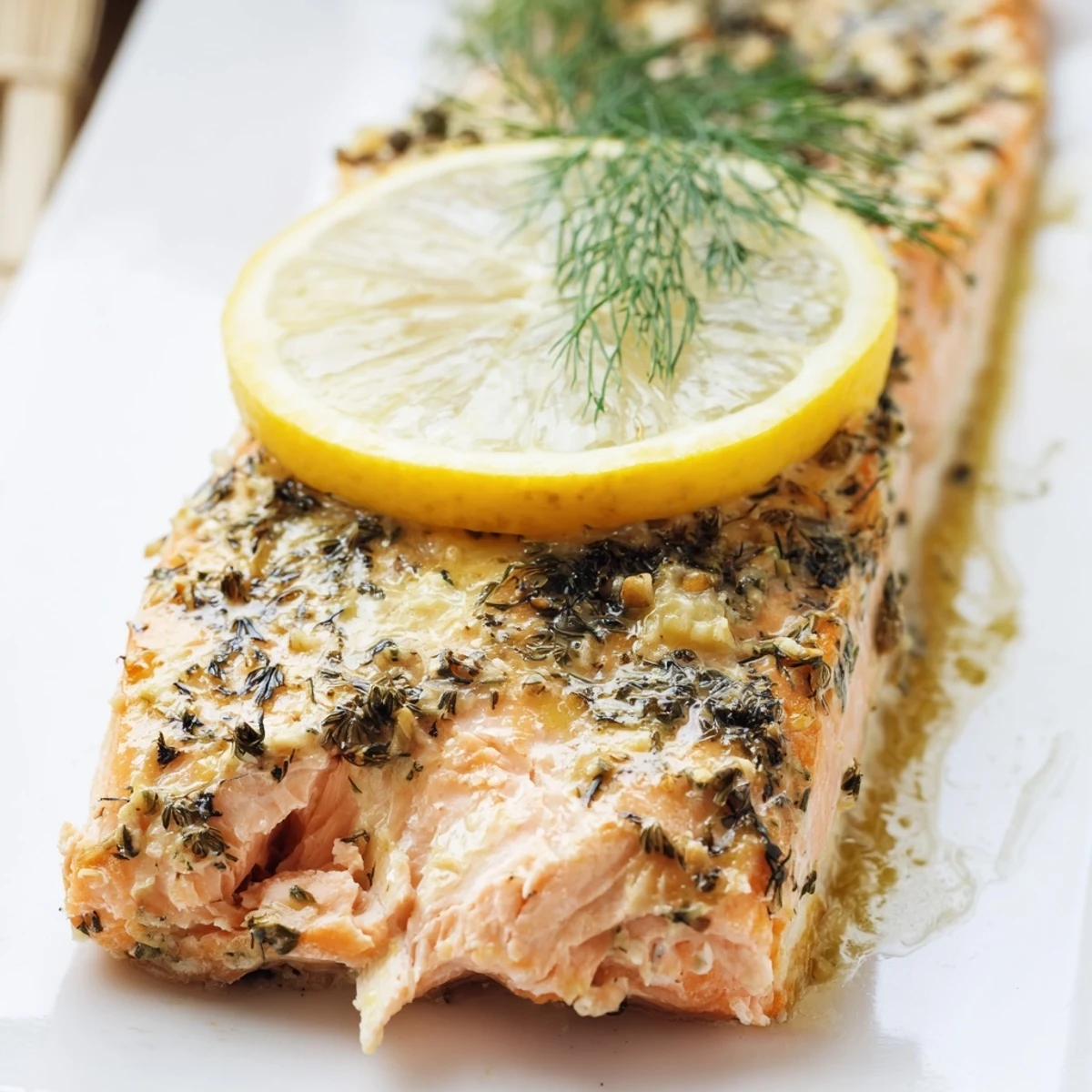
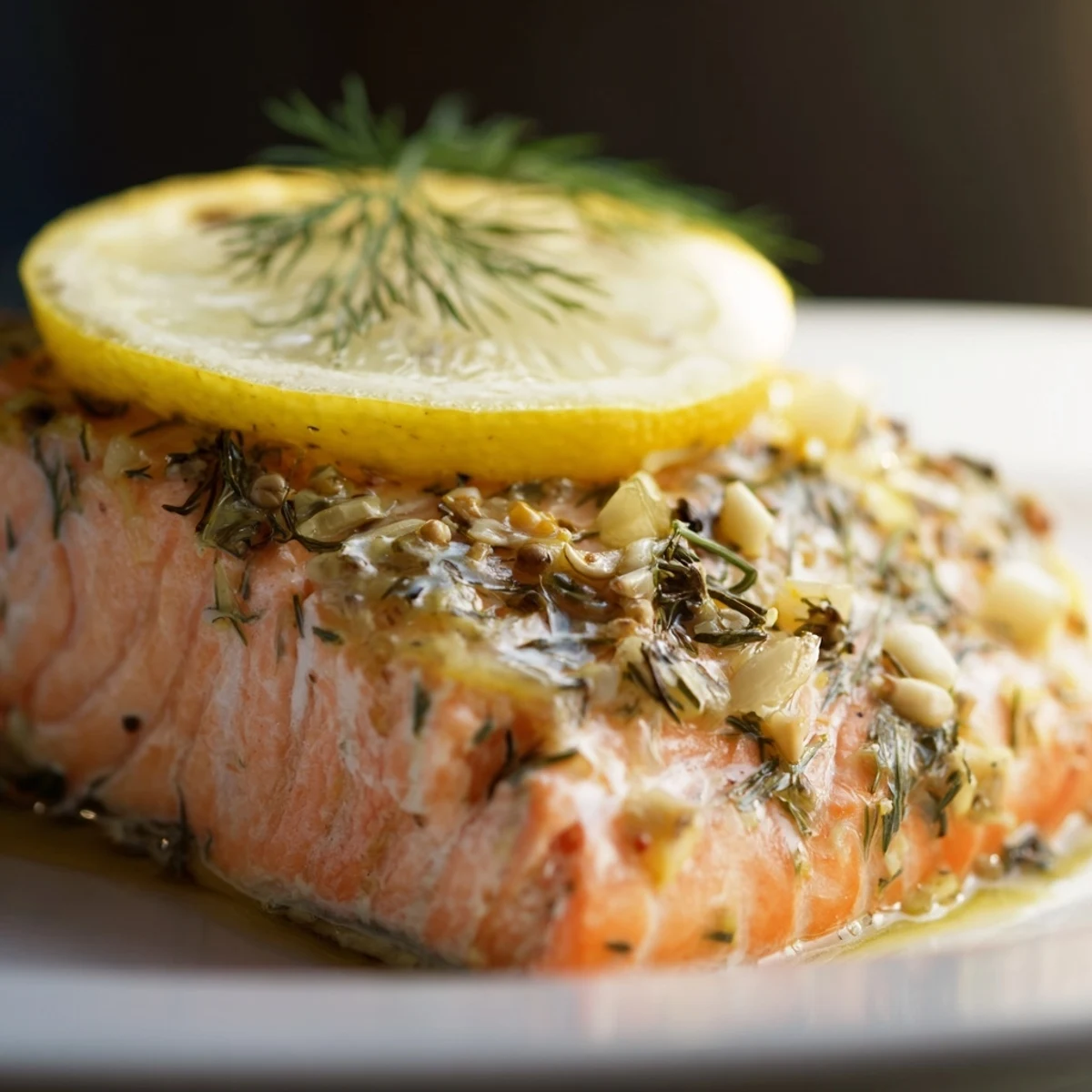
 This dish features tender salmon fillets baked with a flavorful blend of lemon, garlic, and fresh herbs like thyme and dill. The marinade combines olive oil, Dijon mustard, and spices to create a zesty coating that enhances the natural richness of the fish. Baking the salmon at 400°F ensures a perfectly flaky texture, topped with lemon slices for brightness. It's an effortless, wholesome meal ideal for busy weeknights or gluten-free, pescatarian diets. Serve garnished with fresh dill or parsley and pair it with steamed rice or roasted veggies for a balanced plate.
There's something about the smell of salmon hitting a hot oven that tells you dinner is going to be good. I discovered this recipe on a Wednesday evening when I had about twenty minutes and no real plan, just a salmon fillet staring at me from the fridge and a lemon on the counter. The Dijon mustard was an accident—I grabbed it instead of mayo—but it turned into the perfect tangy complement that somehow made everything taste like I'd actually tried. Now it's become my go-to when I need to feel like I'm cooking something impressive without the stress.
I made this for my sister last summer when she was going through a health kick, and she was skeptical until she took one bite. The way the lemon juice keeps the fish moist while the herbs create this gorgeous golden crust made her ask for the recipe immediately. That's when I knew it wasn't just easy—it was genuinely delicious in a way that surprises even people who think they don't like salmon.
Ingredients
- Salmon fillets (4, about 6 oz each): Choose fillets that feel firm to the touch and smell like the ocean, not fishy; skin-on keeps them juicier during baking.
- Olive oil (2 tablespoons): Use something you'd actually taste on its own, not the cheapest bottle—it's only two tablespoons, so quality matters here.
- Fresh lemon juice (1 tablespoon): Squeeze it yourself; bottled tastes flat and can't do the work of brightening the dish the way fresh juice can.
- Dijon mustard (2 teaspoons): This is the secret weapon that adds depth without tasting like mustard; it brings out the salmon's natural sweetness.
- Garlic cloves (2, minced): Mince them fine so they don't create sharp bitter bits; they'll soften into the oil during baking.
- Fresh thyme and dill (1 teaspoon each, or half if dried): Fresh herbs make all the difference—they stay vibrant; dried herbs fade into the background.
- Salt and pepper: Go easy here; you can always add more, but you can't take it out.
- Lemon slices and fresh herbs for garnish: These aren't just pretty—they're the final flavor layer that keeps the fish tasting bright.
Instructions
- Heat your oven and prep your stage:
- Set the oven to 200°C (400°F) and line your tray with parchment paper or give it a light grease. This takes two minutes and saves you from scrubbing salmon skin off a pan later.
- Build your marinade:
- Whisk together the oil, lemon juice, mustard, garlic, thyme, and dill in a small bowl until it looks creamy and fragrant. Taste it—it should make your mouth water a little, tasting bright and herby with just a whisper of mustard in the background.
- Position and coat your salmon:
- Lay the fillets skin-side down on your prepared tray, then brush the marinade generously over the top of each one. Don't be shy; this is where all your flavor lives.
- Crown each fillet:
- Lay a lemon slice on top of each salmon fillet. It sounds simple, but those slices release their juice as everything bakes, creating this subtle citrus steam that keeps the fish unbelievably moist.
- Bake until just done:
- Slide the tray into the oven for 15 to 18 minutes. You'll know it's ready when the flesh flakes easily with a fork and the thickest part has just turned opaque—still slightly pink in the very center is perfect. Overbaking is the only real mistake you can make here.
- Finish with herbs:
- Pull it from the oven, scatter fresh dill or parsley over the top, and serve immediately. The warmth will wake up the herbs, and your kitchen will smell incredible.
 Pin It
 My best friend once said this was the first time she'd cooked salmon at home and had it turn out better than her favorite restaurant version. That moment—watching someone's face light up over something you made—is when you realize a recipe isn't just instructions; it's permission to feel confident in your cooking.
Making It Your Own
The beauty of this marinade is that it works as a base for whatever flavors you're craving that day. Swap the thyme for tarragon, or add a pinch of smoked paprika if you want something deeper and more mysterious. Once you make it once, you'll feel free to improvise, and that's when cooking stops being a recipe and starts being instinct.
What to Serve Alongside
Roasted vegetables are the obvious choice—asparagus or green beans take on a slightly charred sweetness that contrasts beautifully with the salmon's richness. But I've also served this with a simple arugula salad dressed with olive oil and lemon, and it felt light and complete. Rice soaks up any pan juices and turns ordinary into comforting without requiring much attention.
Storage and Leftovers
Salmon keeps well in the refrigerator for two to three days, and cold salmon makes an unexpectedly delicious lunch salad the next day. You can also flake it into pasta with a little of the pan juices and some cream for an elegant second meal. Just don't reheat it in the microwave—a gentle warm-through in the oven or even cold from the fridge tastes infinitely better.
- Store leftovers in an airtight container away from anything that bruises easily, as salmon can transfer its smell.
- If you're marinating in advance, do it for no more than 30 minutes or the lemon juice will start cooking the fish before the oven gets its turn.
- This recipe scales beautifully—double everything for a dinner party, or halve it for two people.
 Pin It
 This recipe proved to me that simple food, made with intention and good ingredients, doesn't need to be complicated to feel special. Every time I make it, I remember why I love cooking.
Recipe FAQs
- → How long should salmon be baked for?
-
Salmon should be baked at 400°F for 15-18 minutes until it flakes easily and is opaque in the center.
- → Can I marinate the salmon before baking?
-
Yes, marinating for up to 30 minutes enhances the flavors and keeps the salmon tender.
- → What herbs work best with baked salmon?
-
Fresh thyme and dill complement salmon well, adding bright and aromatic notes.
- → Is the skin-on or skinless salmon better for baking?
-
Both work fine; skin-on helps retain moisture during baking, while skinless cooks quickly and crisps easily.
- → What can I serve with baked salmon?
-
Steamed rice, roasted vegetables, or a fresh salad pair perfectly to complete the meal.