
 Pin It
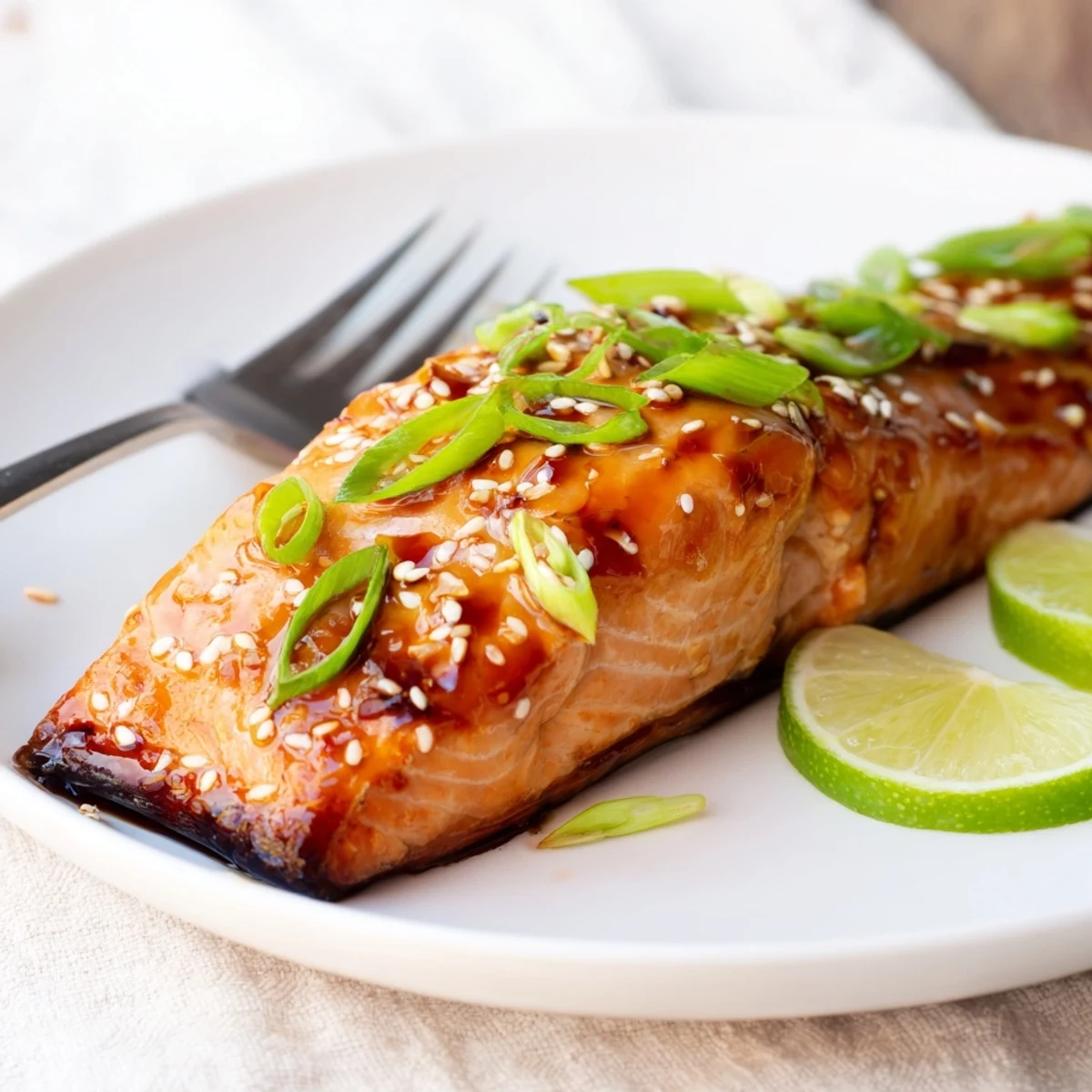
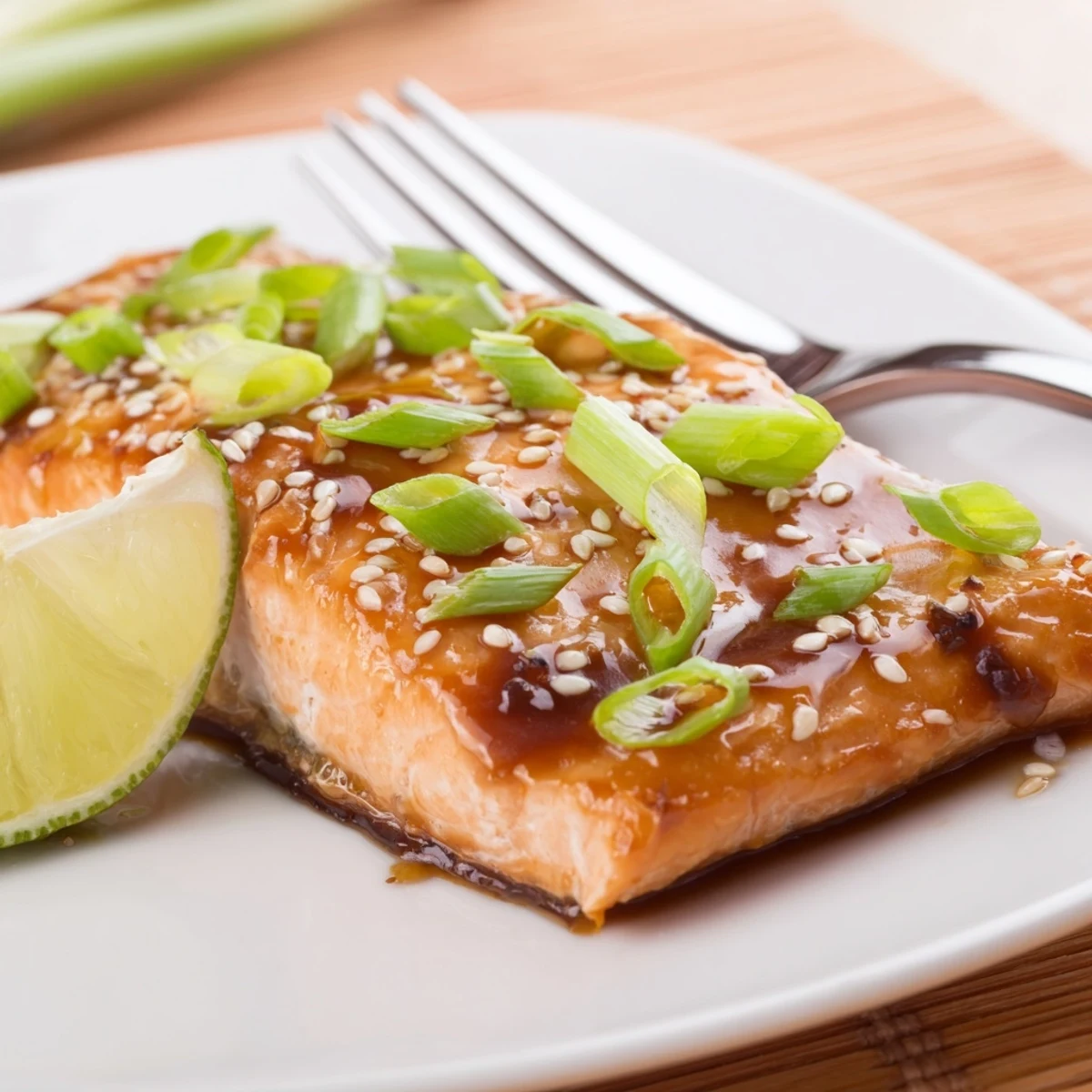
 Tender salmon fillets are baked until perfectly cooked and flaky, then brushed with a homemade teriyaki glaze made from soy sauce, honey, mirin, and fresh ginger. The glaze thickens to a glossy finish that clings beautifully to the fish. Topped with sesame seeds and green onions for a complete Asian-inspired presentation.
The day my friend Mei taught me how to make her family's teriyaki salmon remains etched in my kitchen memories. We stood side by side at the counter, the aroma of ginger and garlic filling her tiny apartment kitchen as she showed me the secret to that perfect glaze consistency. I remember how the sweet and savory scents mingled as the sauce reduced, promising the delicious meal to come.
Last spring when my sister visited with her family, I needed something impressive yet foolproof for dinner after a long day showing them around town. This teriyaki salmon saved me as everyone fell silent for the first few bites, then erupted in compliments. My nephew, usually suspicious of anything from the sea, asked for seconds and my sister immediately requested the recipe.
Ingredients
- Salmon fillets: Look for center-cut pieces with even thickness so they cook at the same rate, and dont worry if some white protein appears during baking, thats completely natural.
- Low-sodium soy sauce: This gives us control over the saltiness while still delivering that essential umami foundation for the teriyaki flavor.
- Mirin: This sweet Japanese cooking wine adds authentic depth to the glaze, but dry sherry works beautifully if your pantry doesnt include this specialty ingredient.
- Fresh ginger: Please use fresh rather than powdered here, as the bright, zingy quality completely transforms the sauce with a warmth that powder just cant provide.
Instructions
- Prep the salmon:
- Pat those beautiful fillets completely dry with paper towels, which ensures they will sear rather than steam. Season both sides, remembering that the glaze will add saltiness later.
- Create the glaze magic:
- As you simmer the sauce ingredients together, youll notice the aroma changes from sharp to mellow and complex. Watch for the moment when it coats the back of a spoon, thats your signal its ready.
- First glaze application:
- Be generous but not excessive with that first brushing of glaze before baking. The flavors will concentrate and infuse the fish during cooking.
- Bake with care:
- The difference between perfectly flaky salmon and dry, overcooked fish can be just a minute or two. Look for that moment when the center is just barely opaque and the fish flakes easily.
- Final glaze flourish:
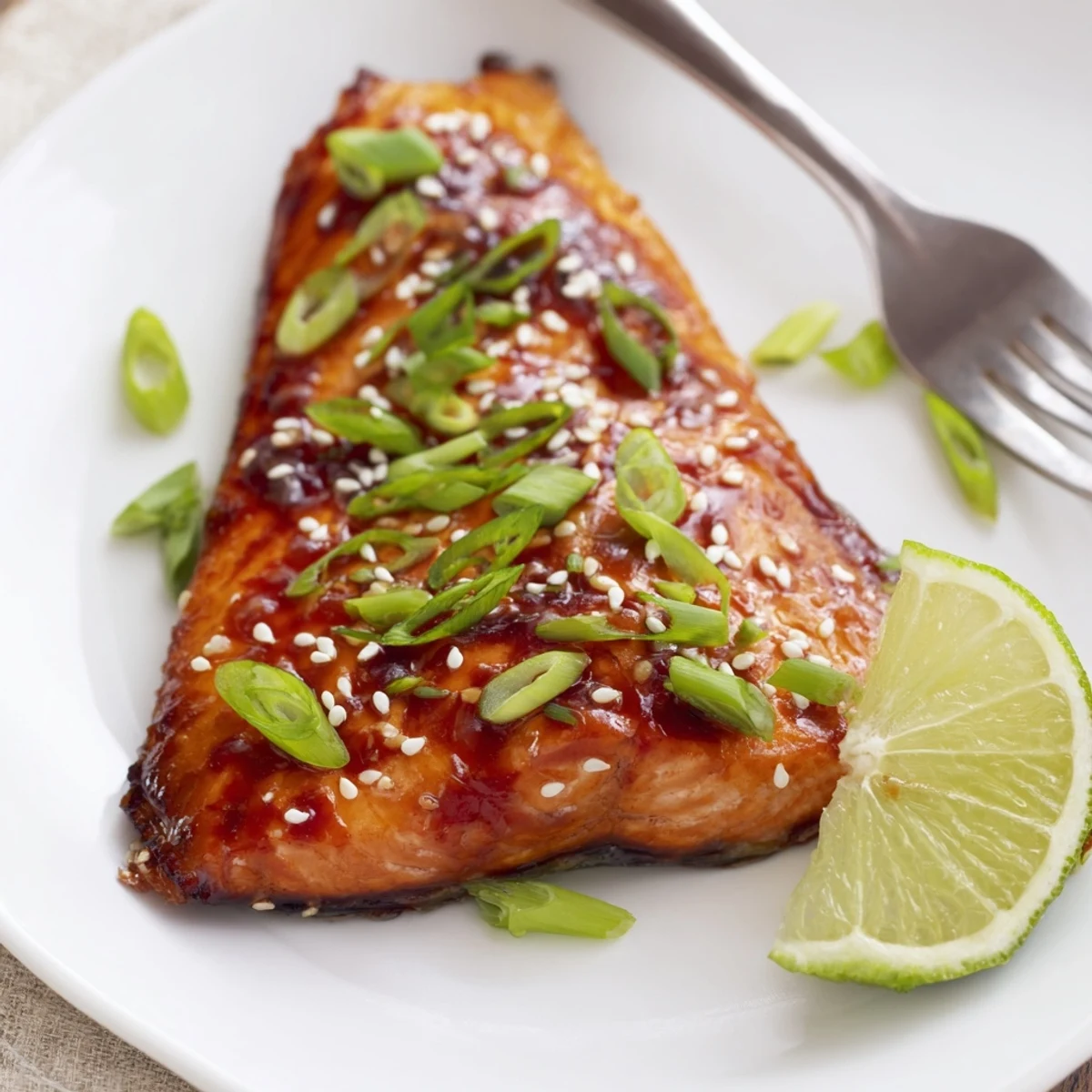
- That second brush of glaze after baking is what gives the salmon its glossy, appetizing finish. This double-glazing technique locks in moisture while maximizing flavor.
 Pin It
 One rainy Sunday evening, I made this salmon when a friend dropped by unexpectedly after a rough day. We sat at my kitchen island, steam rising from our plates, and I watched her shoulders finally relax as we talked and she savored each bite. Sometimes the right meal at the right moment is the best comfort we can offer each other.
Serving Suggestions
Ive discovered that a simple bed of jasmine rice makes the perfect canvas for this salmon, catching every drop of that precious glaze that might otherwise be left behind on the plate. For a complete meal, I like to add quick-steamed broccoli or baby bok choy alongside, their slight bitterness creating a beautiful balance with the sweet-savory salmon.
Make-Ahead Options
The teriyaki glaze can be made up to three days in advance and kept in an airtight container in the refrigerator. I actually find the flavors develop and meld even more beautifully when the glaze has time to rest. Just warm it slightly before using so it reaches that perfect brushable consistency.
Customization Ideas
This recipe welcomes your personal touch, and Ive tweaked it countless times depending on what my pantry offers. Sometimes I add a teaspoon of orange zest to the glaze for a bright citrus note that plays wonderfully with the richness of the salmon.
- For a spicy kick, stir in a teaspoon of sriracha or a pinch of red pepper flakes to the glaze.
- If youre avoiding refined sugars, substitute maple syrup for both the honey and brown sugar with delicious results.
- For a fun variation, flake leftover salmon and toss with remaining glaze to make incredible teriyaki salmon rice bowls the next day.
 Pin It
 This teriyaki salmon has become my reliable friend in the kitchen, stepping up whether Im cooking for just myself or hosting a dinner party. It reminds me that sometimes the most satisfying dishes are the ones that find that perfect balance between simplicity and flavor.
Recipe FAQs
- → How can I tell when the salmon is cooked through?
-
The salmon should flake easily with a fork and appear opaque throughout. Bake for 12-15 minutes depending on fillet thickness. The internal temperature should reach 145°F (63°C).
- → Can I make the teriyaki glaze ahead of time?
-
Yes, prepare the glaze up to 2 days in advance and store it in an airtight container in the refrigerator. Reheat gently before brushing onto the salmon.
- → What are good side dishes to serve with this?
-
Steamed jasmine or white rice, fluffy quinoa, or sautéed vegetables like bok choy and broccoli complement the teriyaki glaze beautifully.
- → Is this dish gluten-free?
-
Use tamari or certified gluten-free soy sauce instead of regular soy sauce. Always check mirin labels, as some brands contain gluten. Most other ingredients are naturally gluten-free.
- → Can I use frozen salmon fillets?
-
Thaw frozen salmon completely before baking for even cooking. Pat dry thoroughly to remove excess moisture, which helps the glaze adhere better.
- → How do I achieve extra caramelization on the glaze?
-
After baking and applying the final glaze coat, broil the salmon for 1-2 minutes on high until the glaze becomes golden and slightly charred. Watch carefully to prevent burning.