
 Pin It
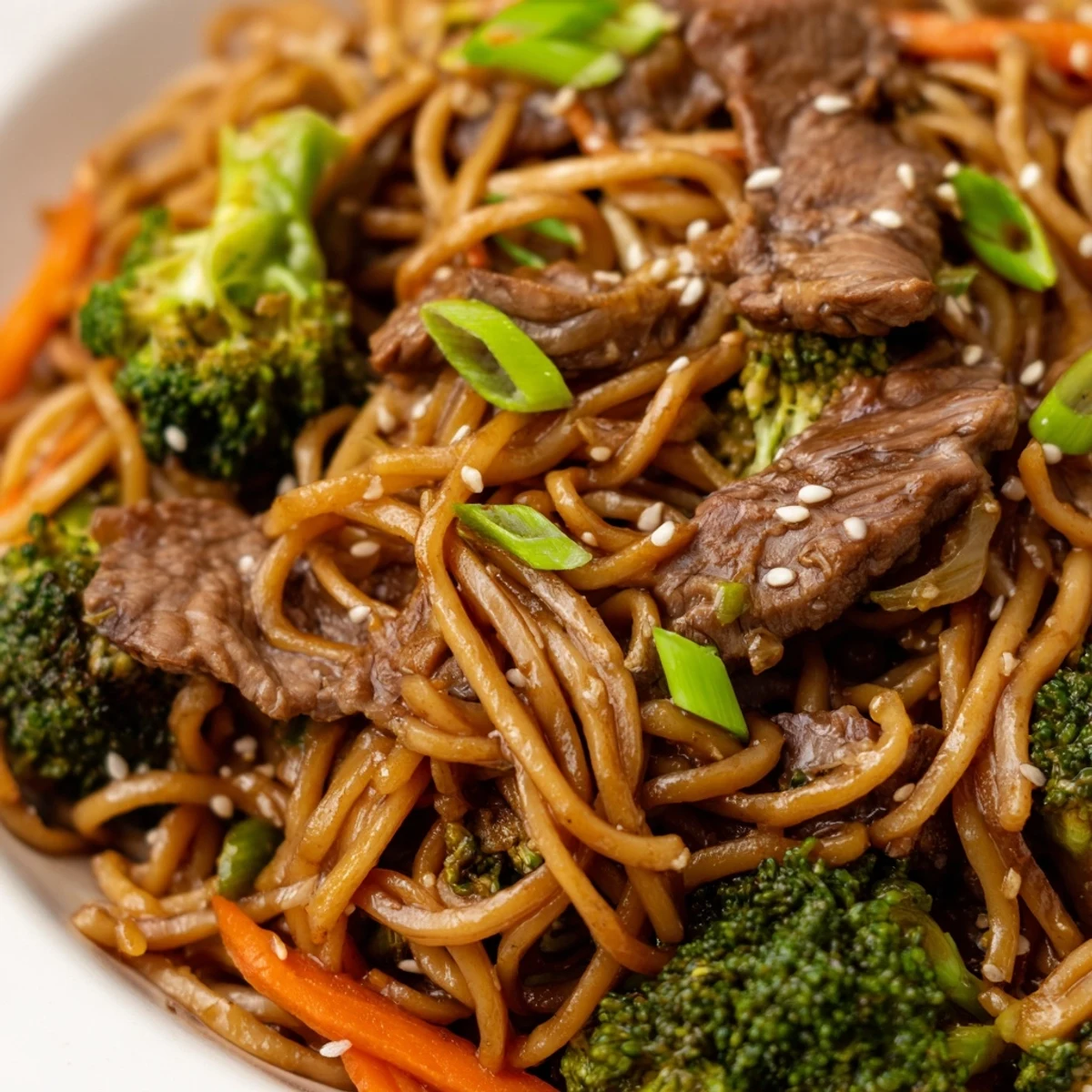
 This flavorful stir-fry features tenderly marinated beef slices, crisp broccoli, and noodles cooked to perfection. The savory sauce blends soy, oyster, and hoisin with sesame oil, creating an aromatic coating that brings all elements together. Quick and balanced, this dish offers a delightful mix of textures and warm, rich flavors in under 30 minutes, ideal for a satisfying main course.
There's a particular Thursday evening that comes back to me whenever I make this dish, one of those nights when my kitchen filled with the kind of sizzle and steam that made everything feel like a small celebration. I'd been craving something satisfying but quick, and I remembered how my neighbor had once described her weeknight routine: beef and broccoli lo mein, fragrant with sesame oil, ready before eight o'clock. I decided to try it, and what emerged from my wok was this perfect tangle of tender noodles and beef, the broccoli still holding its bright crunch. That first bite changed how I thought about weeknight cooking entirely.
I made this for my sister on a random Tuesday, one of those days where she'd texted saying she'd had a long afternoon and didn't want to think about dinner. I had the ingredients on hand, and watching her face when she tasted it—that moment of pure satisfaction—reminded me why I love cooking for people I care about. She asked for the recipe immediately, and now it's what she makes when she wants to feel like a kitchen wizard herself.
Ingredients
- Flank steak, thinly sliced: Slicing against the grain is the secret that transforms this into tender, almost silk-like pieces rather than chewy strips that fight back.
- Soy sauce, oyster sauce, and hoisin: These three form the flavor foundation, and when whisked together with a touch of brown sugar and sesame oil, they become something greater than their individual parts.
- Lo mein or egg noodles: The chew and body of these noodles absorb the sauce without becoming mushy, which is everything in this dish.
- Broccoli florets: Cut them smaller than you think you need to—they finish cooking right when you want them to, staying crisp and sweet.
- Garlic and ginger: These two working together unlock a warmth in the wok that makes the entire kitchen smell like comfort.
- Sesame oil: Use the toasted variety, and add it at the end when the heat is off or nearly off, so it keeps its fragrance rather than turning bitter.
- Green onions and toasted sesame seeds: The finishing touch that catches light and adds a layer of nutty, fresh flavor that makes people pause mid-bite.
Instructions
- Marinate the beef:
- Mix your sliced beef with soy sauce, cornstarch, and sesame oil, letting it sit for 10 minutes while you prep everything else. This short rest lets the flavors begin their work and helps the meat stay tender when it hits the hot wok.
- Blend the sauce:
- Whisk soy sauce, oyster sauce, hoisin, brown sugar, sesame oil, water, and cornstarch until completely smooth—no lumps hiding anywhere. The cornstarch is what gives the sauce that silky cling to every strand of noodle.
- Cook the noodles:
- Follow the package timing exactly, then drain and rinse under cold water to stop them cooking and prevent sticking. Set them aside on a plate where they can stay loose and ready.
- Sear the beef:
- Heat oil until the wok or skillet is almost smoking, then add the marinated beef and let it sit for a beat before stirring. You're building color and flavor here, not shredding it all to pieces—usually two to three minutes does it perfectly.
- Build the aromatics:
- Fresh oil in the wok, then garlic, ginger, and onion for just a minute until the whole kitchen smells incredible. The aromatics don't need long—you're just waking them up, not cooking them down.
- Finish the vegetables:
- Broccoli and carrot in, stirring constantly for two to three minutes until the broccoli turns a shade darker green and a fork meets just a tiny bit of resistance. That crispness is worth protecting.
- Bring it all together:
- Return the beef, add the noodles, pour in the sauce, and toss everything for two to three minutes until every strand glistens and the heat pulls through. This is when the dish becomes whole.
- Finish and serve:
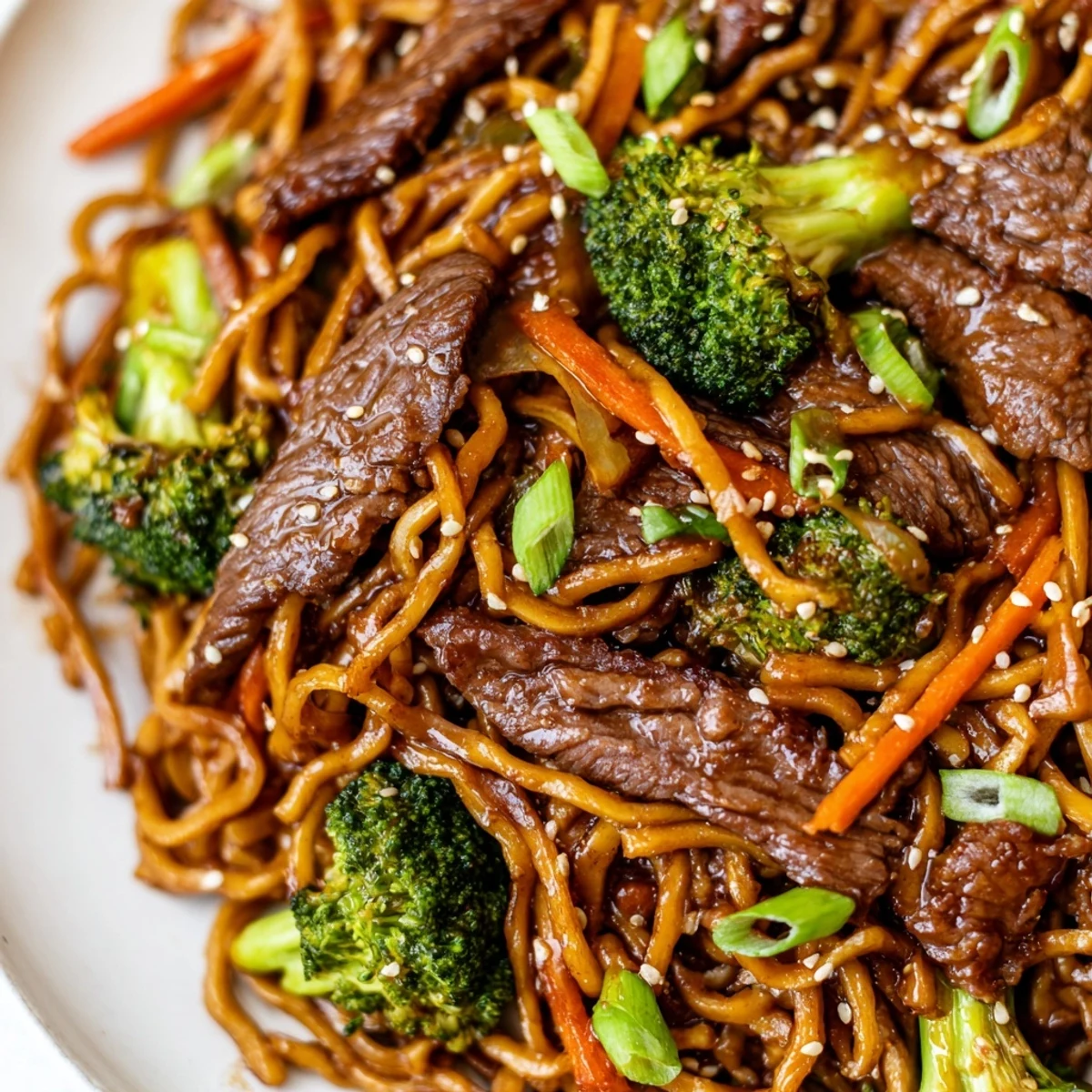
- A drizzle of fresh sesame oil when the wok comes off heat, then scatter green onions and sesame seeds across the top. Serve immediately while the steam is still rising.
 Pin It
 What made this dish stick with me wasn't just how it tasted, but how it became a bridge between rushed weeknights and the kind of cooking that feels intentional and generous. Something about the ritual of it—the fast prep, the symphony of sizzles, the way everything comes together in minutes—made me feel capable in my kitchen, like I'd unlocked a skill that mattered.
The Wok Matters
A proper wok, whether round-bottomed or flat, changes how this dish cooks because of its sloped sides and ability to conduct high, even heat. If you don't have one, a large skillet works, but the wok creates a kind of gentle chaos where everything moves and cooks at different rates, which is exactly what you want. The shape lets you push things to the sides to stay warm while the center stays hottest, a small choreography that makes the timing feel less stressful.
Prep Is Everything
The actual cooking in this dish takes maybe twelve minutes total, which means the time you spend slicing beef against the grain, mincing garlic, and cutting broccoli into even pieces is what determines whether you feel calm or frantic. I've learned to set everything out on a cutting board or in small bowls before the oil even hits the pan—it's the difference between a dance and a scramble. Once you've built that habit, the cooking part becomes meditative rather than chaotic.
Variations That Work
This recipe is forgiving in ways that make it perfect for experimenting, and I've found that the formula—tender protein, crisp vegetables, savory-sweet sauce, sesame oil—stays true even when you shift the ingredients around. Chicken thighs work beautifully and stay more forgiving than breast meat, tofu becomes silky and absorbs the sauce like a sponge, and sometimes I add snap peas or bell peppers just because they're there and bright. The sesame oil and sauce anchor everything, so you can play with the rest and still land somewhere delicious.
- Try chicken thigh for something more forgiving, or cubed tofu if you want the dish to be lighter and quicker to cook.
- Bell peppers, snap peas, or bok choy all add color and texture without changing the fundamental balance of the dish.
- A touch of white pepper instead of black adds a quieter heat that lets the sesame and soy shine a little brighter.
 Pin It
 There's something deeply satisfying about making food that tastes this good and tastes like it came from somewhere with real tradition, but belongs to you in the way you make it. This dish has become my weeknight anchor, the one I reach for when I want to cook something with intention but still have time to breathe.
Recipe FAQs
- → How should the beef be prepared for this dish?
-
Slice the flank steak thinly against the grain and marinate it with soy sauce, cornstarch, and sesame oil for about 10 minutes to enhance tenderness and flavor.
- → What cooking method is used for the vegetables?
-
Stir-frying the broccoli, carrots, garlic, ginger, and onions quickly over high heat ensures they remain crisp yet tender while releasing their aromas.
- → Can different noodles be used in this dish?
-
Yes, lo mein or egg noodles work best, but you can substitute with similar wheat-based noodles for comparable texture and flavor absorption.
- → What role does sesame oil play in the flavor profile?
-
Sesame oil adds a fragrant nuttiness that enhances the savory sauce, providing depth and an inviting aroma throughout the dish.
- → Are there suggested variations for this preparation?
-
You can swap beef with chicken or tofu for a lighter option, and add vegetables like bell peppers or snap peas to increase color and crunch.