
 Pin It
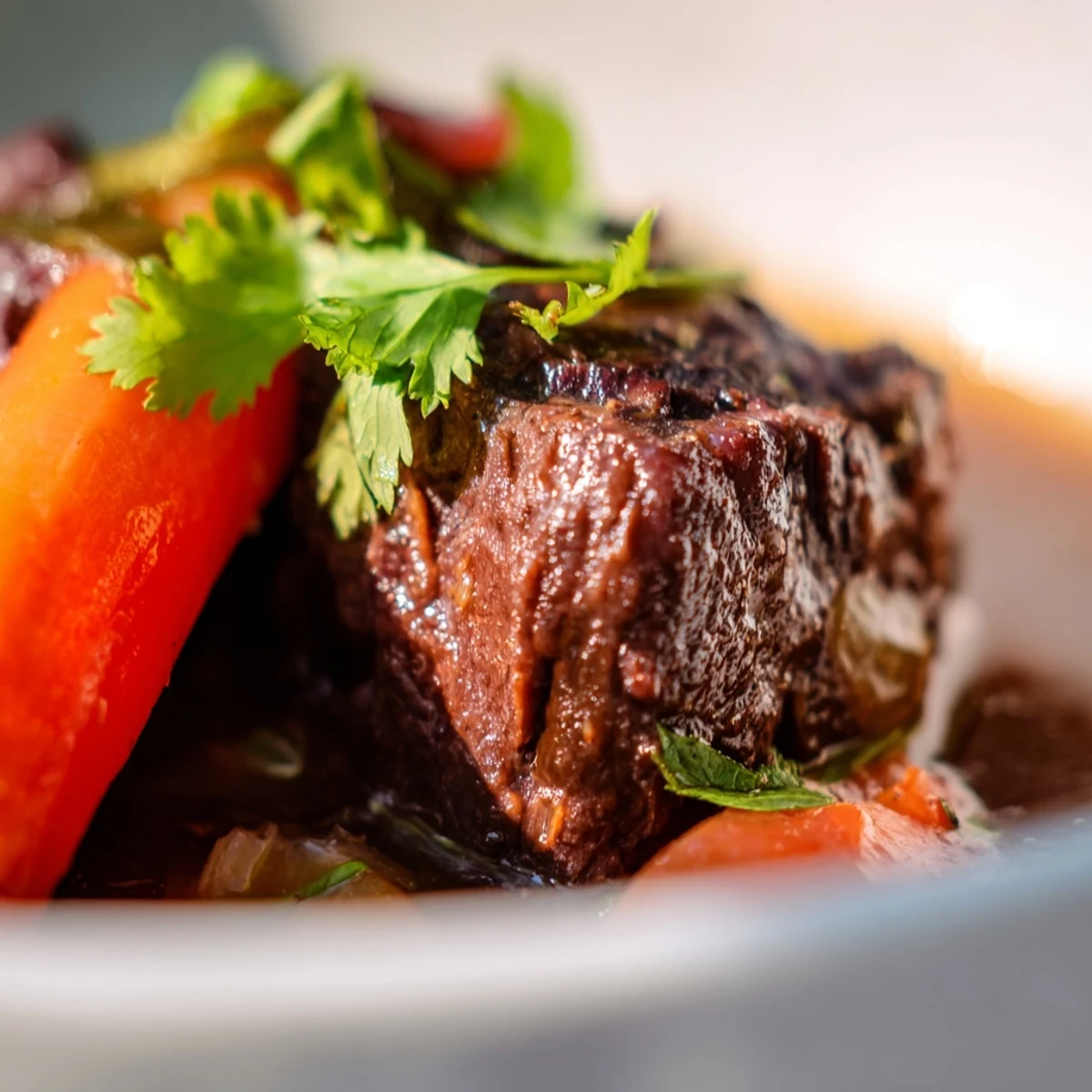
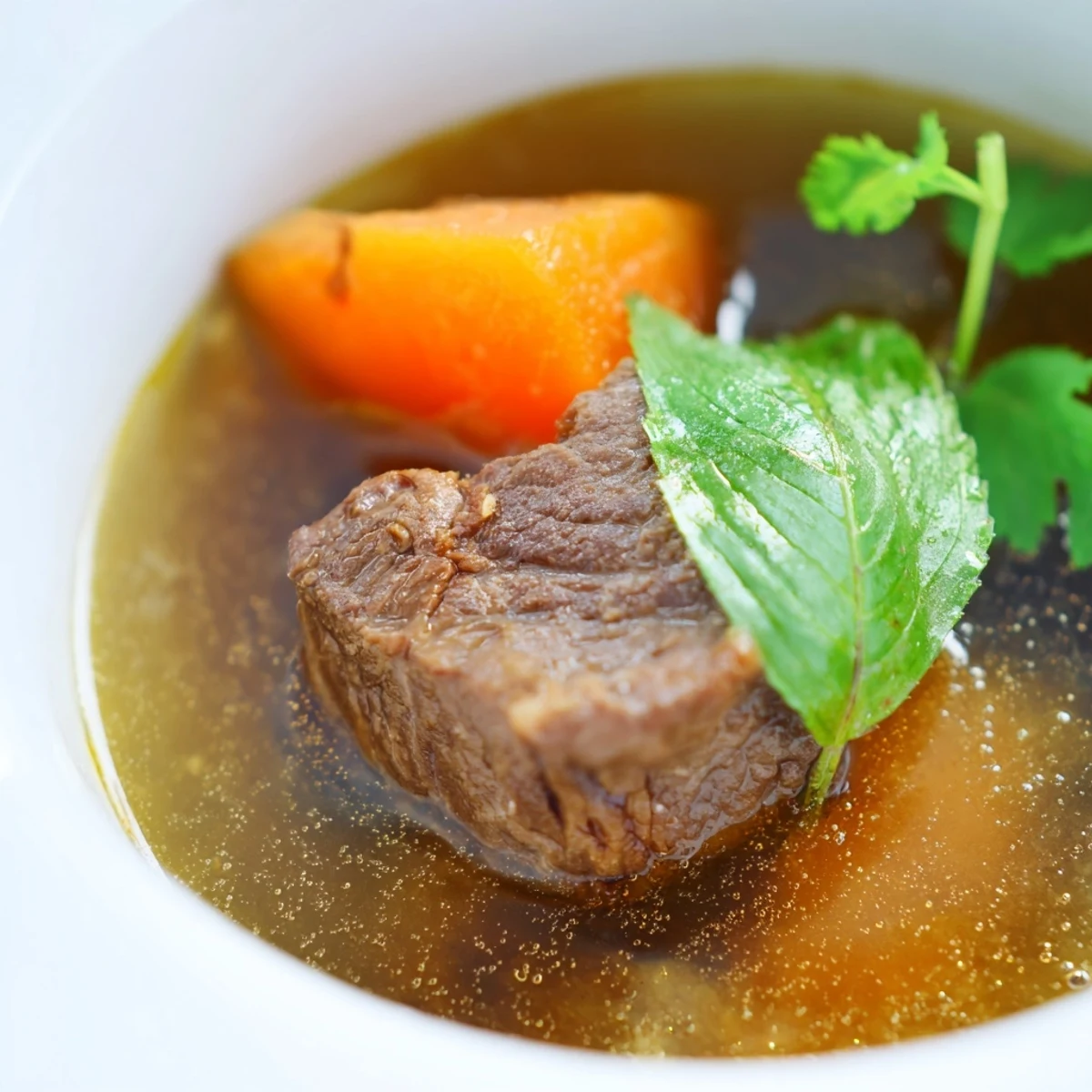
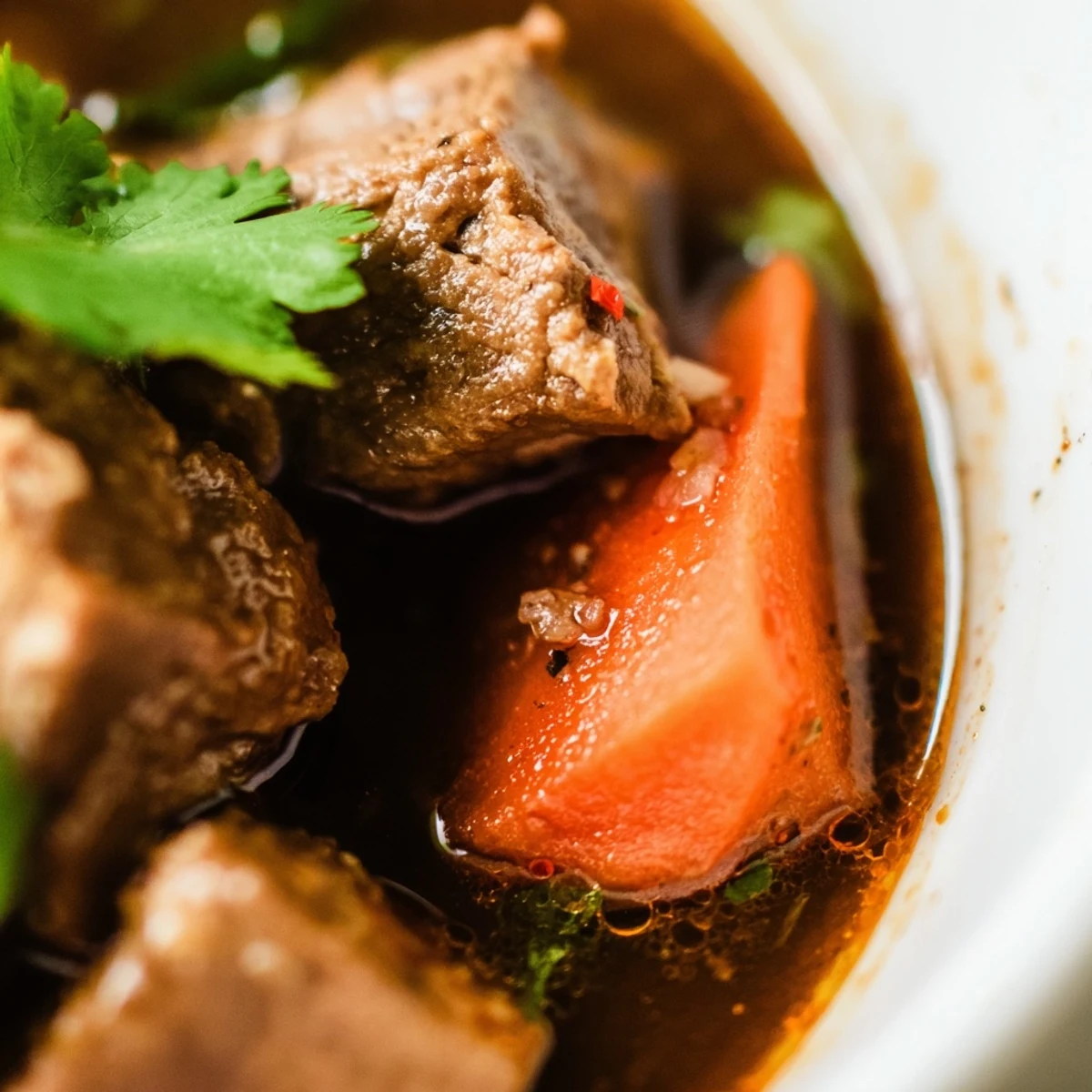
 This Vietnamese classic features succulent beef chuck slowly braised in a deeply aromatic broth infused with lemongrass, star anise, and cinnamon. The meat becomes fork-tender after hours of gentle simmering, while carrots add natural sweetness. Each bowl delivers layers of flavor—savory fish sauce, subtle heat, and warm spices that fill your kitchen with incredible aromas. Serve with crusty baguette for dipping or rice noodles to soak up every drop of the rich, reddish-orange broth. Fresh herbs and lime wedges brighten each comforting spoonful.
My tiny Brooklyn apartment filled with the most intoxicating fragrance of lemongrass and star anise during a snowstorm last February. My Vietnamese neighbor Mai had written down her family recipe for me, and I spent the entire afternoon watching the snow fall while this stew bubbled away on my stove.
When I finally served it to my roommates that night, we tore through an entire baguette just soaking up the sauce. Something about that combination of rich beef, bright herbs, and warming spices felt like being hugged from the inside out.
Ingredients
- Beef chuck or brisket (2 lbs): Chuck has more marbling and stays tender during long simmering, while brisket offers a slightly leaner option. Cut into generous 2-inch cubes so they dont shrink too much.
- Fish sauce (2 tbsp): This is the umami backbone of the entire dish. I learned the hard way that cheaper brands taste harshly salty, so invest in a good quality one.
- Fresh lemongrass (3 stalks): Bruise the stalks with the back of your knife before cutting to release those aromatic oils. Dried lemongrass just doesnt give the same vibrant punch.
- Star anise (2 pods): These little beauties impart that distinctive licorice note that makes Vietnamese beef stew so unique. Whole spices infuse more gently than ground versions.
- Tomato paste (3 tbsp): Adds body and a subtle sweetness that balances the savory fish sauce. Bloom it in the pot after cooking the onions for deeper flavor.
- Carrots (3 large): Cut them into substantial 2-inch chunks. Theyll soften beautifully in the final stage of cooking and become sweet, velvety bites.
Instructions
- Marinate the beef:
- Combine the beef cubes with fish sauce, soy sauce, sugar, pepper, garlic, and shallots. Let it sit for at least 30 minutes, though overnight in the refrigerator makes the flavor really penetrate deep into the meat.
- Sear in batches:
- Heat oil in your heavy pot over medium-high heat. Brown the beef on all sides without overcrowding, which steams instead of sears. Set aside each batch.
- Build the aromatic base:
- Softened onions and bloomed tomato paste create a rich foundation. Add the lemongrass, star anise, cinnamon, and bay leaves, letting them toast briefly until incredibly fragrant.
- Simmer low and slow:
- Return beef to the pot, pour in your stock, and bring everything to a boil. Reduce to a gentle simmer, cover, and let it cook for 1.5 hours until the beef is starting to yield.
- Add vegetables:
- Toss in carrots and continue simmering uncovered for 30 to 40 minutes. This reduces the liquid slightly and concentrates the flavors while the carrots become tender.
- Finish and serve:
- Fish out the whole spices and woody lemongrass pieces. Taste and adjust the seasoning before ladling into bowls topped with fresh herbs and a squeeze of lime.
 Pin It
 Last month I made a double batch for a potluck and watched three people go back for thirds. Theres something universally comforting about this stew that transcends any familiarity with Vietnamese cuisine.
Getting The Best Results
Pat the beef completely dry before marinating. I used to skip this step, but excess water creates steam instead of proper browning, which means missing out on all those flavorful crusty bits that deglaze into the broth.
Serving Suggestions
A warm, crusty baguette is non-negotiable for mopping up that incredible sauce. On nights when I want something lighter, rice noodles work beautifully and soak up the broth just as enthusiastically.
Make It Your Own
Daikon radish adds lovely texture and sweetness alongside the carrots. I sometimes add halved baby potatoes in the last 30 minutes when I want something more filling.
- The stew actually tastes better the next day as flavors continue to meld
- Freeze portions for up to three months in airtight containers
- A splash of coconut milk in the final minutes adds unexpected richness
 Pin It
 Every bowl of this stew tells a story of patience and care. Hope it brings warmth to your kitchen too.
Recipe FAQs
- → What cut of beef works best for Bo Kho?
-
Beef chuck or brisket are ideal choices because they become tender and flavorful during long braising. The connective tissue breaks down beautifully, creating rich, silky body in the broth.
- → Can I make Bo Kho in a slow cooker?
-
Absolutely. After searing the beef and aromatics, transfer everything to your slow cooker. Cook on low for 6-8 hours or high for 4-5 hours. Add carrots during the last hour so they don't become mushy.
- → What makes Bo Kho different from other beef stews?
-
The distinctive combination of lemongrass, star anise, and cinnamon creates Vietnamese character. Fish sauce and tomato paste add umami depth and subtle sweetness that sets it apart from Western-style stews.
- → How long should I marinate the beef?
-
Thirty minutes minimum, but marinating up to 2 hours in the refrigerator develops deeper flavor. The mixture of fish sauce, soy sauce, garlic, and shallots penetrates the meat for more complex taste.
- → Can I freeze leftovers?
-
Yes, Bo Kho freezes exceptionally well. Cool completely, then store in airtight containers for up to 3 months. The flavors actually develop more depth after freezing and reheating.
- → What's traditional to serve with Bo Kho?
-
Crusty baguette is classic, perfect for soaking up the aromatic broth. Rice noodles are equally traditional. Fresh herbs like cilantro and Thai basil, plus lime wedges, add bright contrast to the rich stew.