
 Pin It
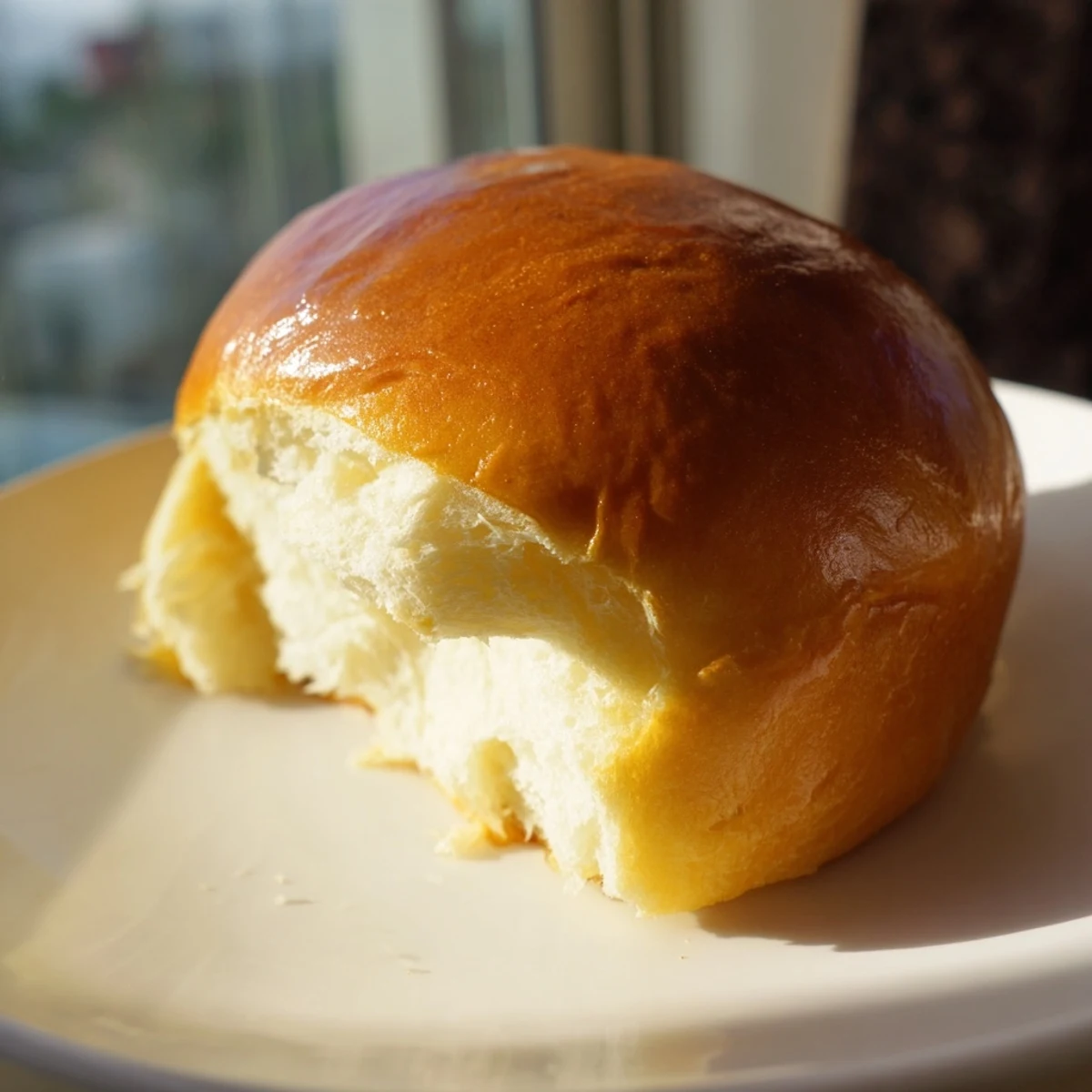
 These soft, buttery brioche rolls deliver the perfect balance of rich flavor and pillowy texture. Made with generous amounts of butter and eggs, the dough develops into golden, bakery-style beauties that elevate everything from morning jam spreads to savory dinner accompaniments.
The process involves mixing a classic enriched dough, letting it rise until doubled, then shaping into individual rolls that bake to a gorgeous golden-brown finish. Each warm bite offers that signature brioche experience—lightly sweet, incredibly tender, and utterly satisfying.
Whether served fresh from the oven with melted butter alongside dinner, or toasted the next morning with your favorite preserves, these rolls become an instant household favorite. They freeze beautifully too, so you can always have homemade quality on hand.
The buttery aroma that filled my tiny apartment kitchen when I first attempted brioche stopped me in my tracks, and I knew these rolls would ruin store-bought bread forever. My roommate wandered in, following the scent like a cartoon character, and we ended up eating three warm rolls plain, standing at the counter. That was the moment I understood what people meant by bread as a love language.
Last Thanksgiving, I made these rolls instead of my usual dinner rolls, and my grandfather actually stopped mid conversation to ask what was different about the bread. He's been asking for them ever since, and now I double the batch because they disappear faster than the turkey. There's something universally comforting about breaking bread that literally melts in your mouth.
Ingredients
- All-purpose flour: Bread flour works too but AP gives that tender crumb we want in brioche
- Granulated sugar: Feeds the yeast and creates that gorgeous golden crust
- Instant dry yeast: No proofing needed and more reliable than active dry
- Fine sea salt: Coarse salt won't distribute evenly and can leave salty spots
- Room temperature eggs: Cold eggs can shock the butter and create weird textures in your dough
- Lukewarm whole milk: Should feel like bath temperature on your wrist, around 100°F
- Unsalted butter softened and cubed: Cold butter creates lumps, melted butter changes the chemistry
- Egg wash mixture: This is what gives brioche that signature shiny mahogany finish
Instructions
- Mix the dry foundation:
- Combine your flour, sugar, yeast, and salt in the stand mixer bowl, giving it a quick whirl to distribute everything evenly before the wet ingredients join the party.
- Build the base dough:
- Add those room temperature eggs and warm milk, mixing on low until you see a shaggy, rough dough coming together, scraping the bowl as needed.
- Incorporate the butter:
- With the mixer on medium, drop in those butter cubes one at a time, letting each one disappear completely before adding the next, then knead for 8-10 minutes until the dough transforms into something smooth and incredibly elastic.
- First rise:
- Move your dough to a greased bowl, cover it with plastic wrap or a damp towel, and let it double in size in a warm corner of your kitchen for 1 to 1.5 hours.
- Shape the rolls:
- Gently punch down the dough, divide it into 12 equal pieces, and shape each one into a tight, smooth ball by tucking the edges underneath.
- Second rise:
- Place your dough balls in a greased 9x13-inch pan or on a lined baking sheet, cover them again, and let them puff up for another 45-60 minutes until they're touching and look pillowy.
- Preheat and prep:
- Get your oven to 350°F while you whisk together the egg and milk for your wash, then gently brush the tops of each roll without deflating them.
- Bake to perfection:
- Slide the pan into the oven for 18-22 minutes until the rolls are deeply golden brown and sound hollow when tapped on the bottom.
- Cool and serve:
- Let them cool in the pan for just 10 minutes, then transfer to a wire rack or serve them warm while they're still soft and fragrant.
 Pin It
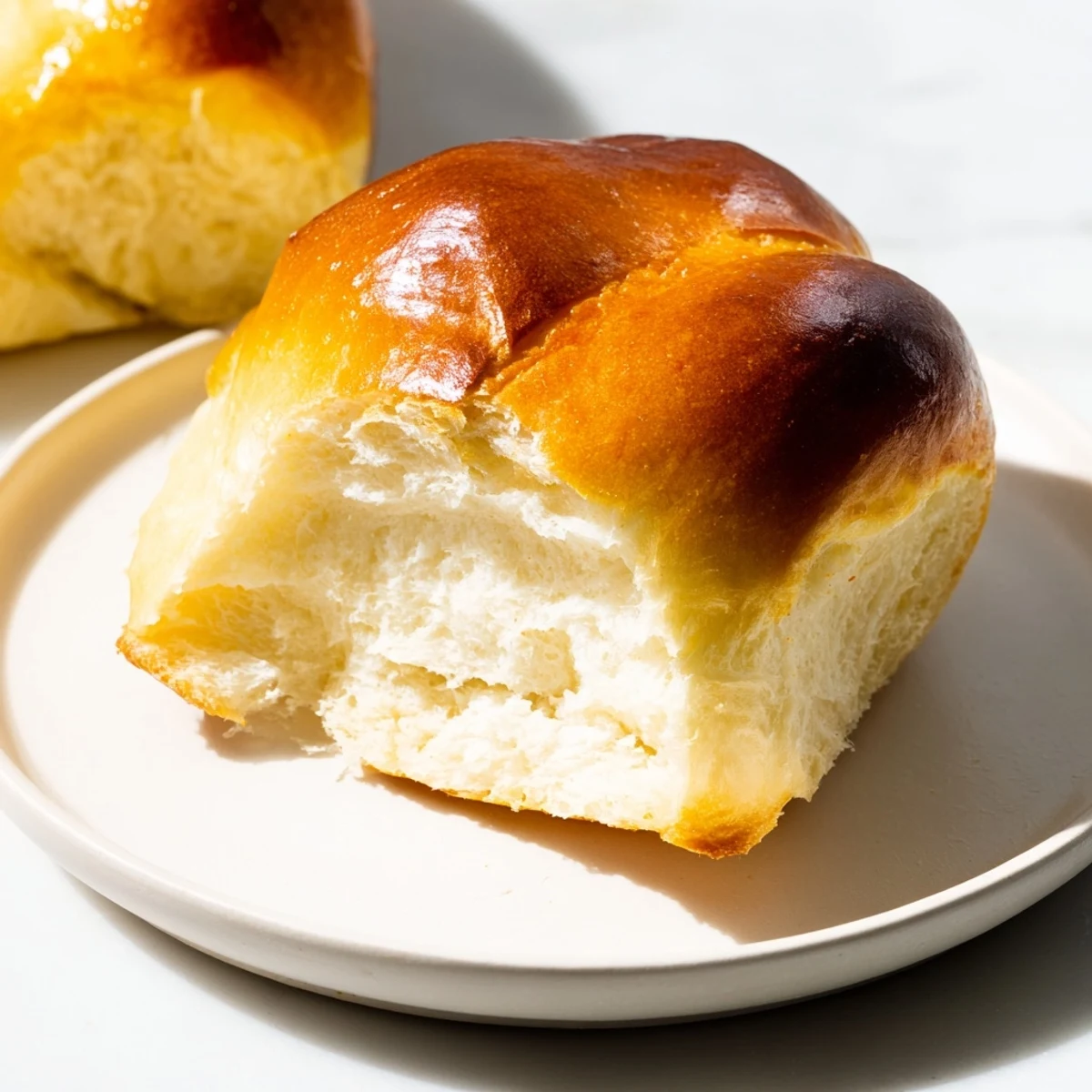
 My friend's three year old took one bite of these rolls at a dinner party and announced they tasted like clouds, which honestly might be the best review I've ever received. Now whenever I bring them to gatherings, people actually get excited about the bread basket first, before anything else on the table.
Making Ahead
I've discovered that brioche dough actually develops better flavor when it rises slowly in the refrigerator overnight, plus it means you can have fresh rolls with practically zero morning effort. Just let the dough come to room temperature for about 30 minutes before shaping.
Customization Ideas
Orange or lemon zest added with the dry ingredients creates the most subtle, sophisticated fragrance that pairs beautifully with butter. I've also folded in chopped herbs and garlic for savory dinner rolls that disappear even faster than the plain version.
Storage and Freezing
These rolls keep beautifully in a sealed bag for 2 days, though they rarely last that long in my house. For longer storage, wrap cooled rolls individually in plastic and freeze for up to 3 months.
- Reheat frozen rolls at 300°F for 8-10 minutes until warm throughout
- Slice day old rolls and make the most incredible French toast you've ever had
- Savory leftovers upgrade any burger or sandwich into something gourmet
 Pin It
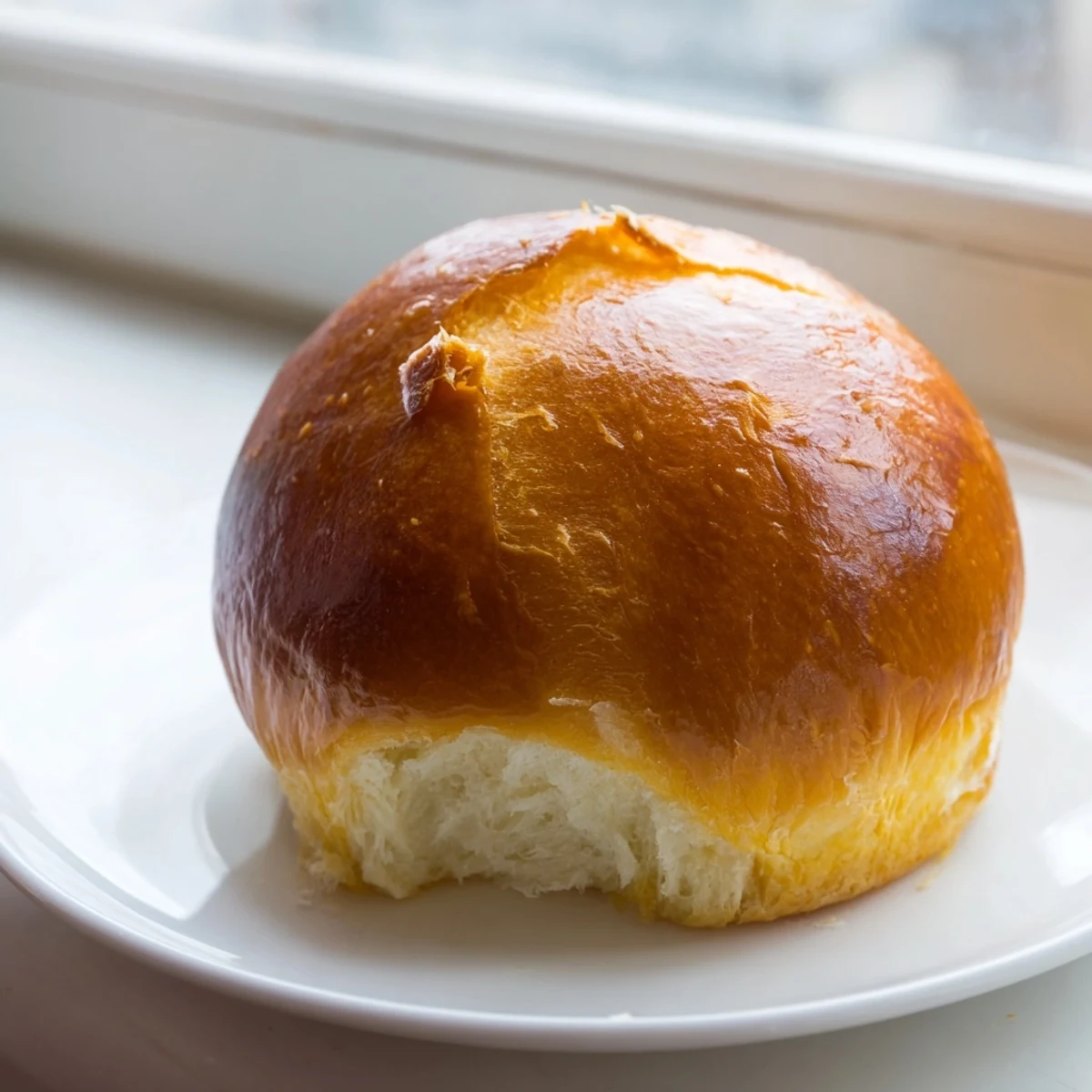
 There's something almost meditative about making brioche, and the way these rolls emerge from the oven transformed and golden never fails to make my kitchen feel like home.
Recipe FAQs
- → What makes brioche different from regular bread?
-
Brioche is an enriched bread made with generous amounts of butter and eggs, giving it a tender, cake-like texture, subtle sweetness, and golden color that regular lean breads don't have.
- → Can I make these rolls without a stand mixer?
-
Yes, you can knead by hand on a floured surface for 12-15 minutes until smooth and elastic. The process takes more effort but yields equally delicious results.
- → How should I store leftover rolls?
-
Keep at room temperature in an airtight bag for up to 2 days, or freeze wrapped tightly for up to 3 months. Thaw frozen rolls overnight and reheat in a 350°F oven for 5-8 minutes.
- → Why did my dough seem too sticky or greasy?
-
This happens when butter is too soft or the room temperature is warm. Chill your dough for 15-20 minutes until it firms up slightly, then continue kneading. The butter will incorporate properly once the gluten develops.
- → Can I substitute whole wheat flour?
-
You can replace up to half the all-purpose flour with whole wheat, though the rolls will be denser and less tender. Consider adding an extra tablespoon of milk to compensate for the extra absorption.
- → What's the purpose of the egg wash?
-
The egg wash creates a shiny, golden crust and helps the tops brown evenly during baking. For extra shine, brush the rolls again halfway through baking.