
 Pin It
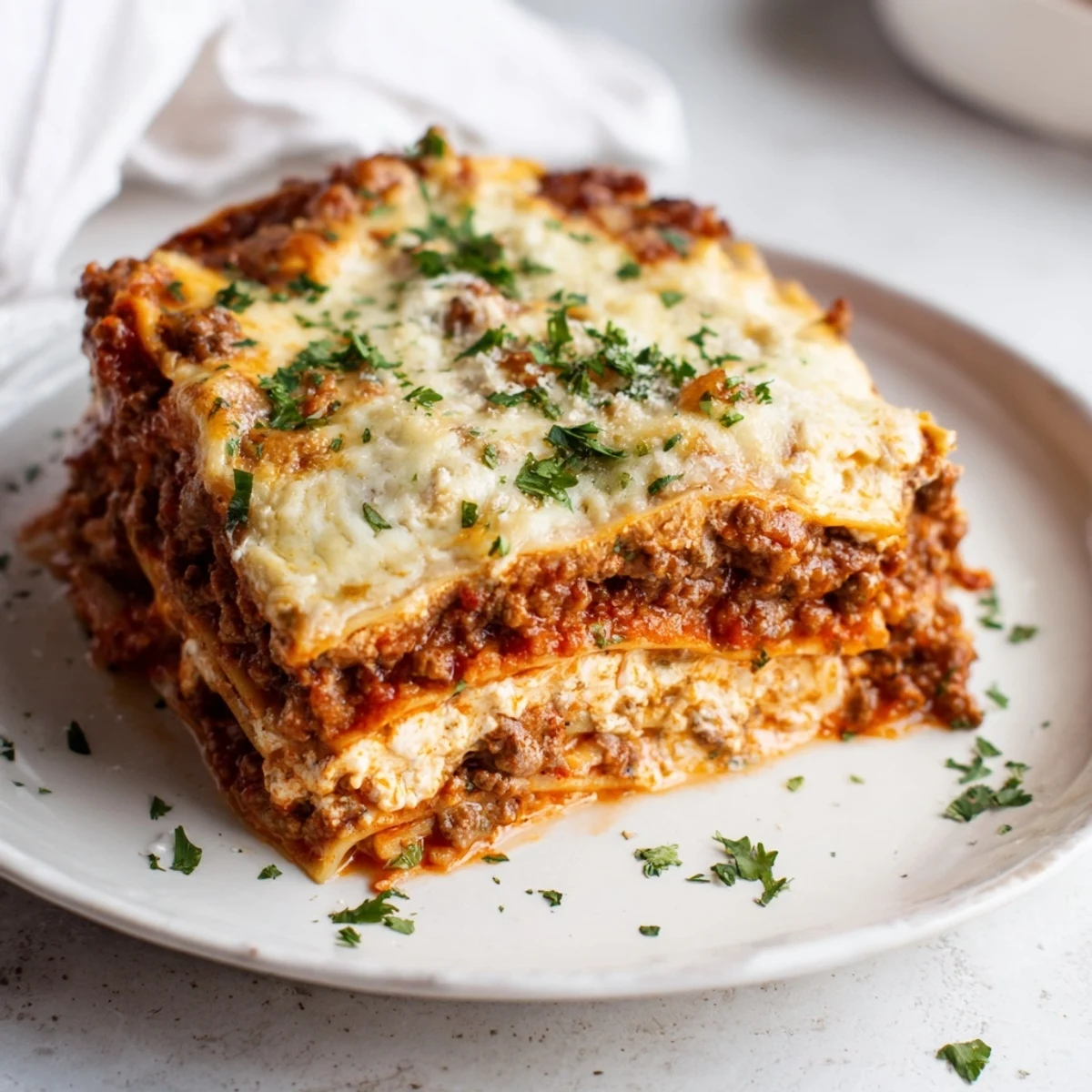
 This dish features tender ground beef slowly simmered in a robust tomato sauce infused with garlic, herbs, and spices. Creamy ricotta and melted mozzarella form a luscious cheese layer, balanced by tender pasta sheets stacked and baked until golden and bubbly. A touch of nutmeg and fresh parsley garnish add warmth and brightness, making this an inviting Italian staple ideal for family gatherings and satisfying dinners.
There's something about lasagna that brings everyone to the table at once, and I learned that the hard way when my sister showed up unannounced with her whole family one Sunday afternoon. I had started making this beef lasagna almost by accident, layering it as I went, and by the time they arrived, the kitchen smelled like garlic and simmering tomatoes in a way that made everyone linger. That dish taught me that good food isn't about perfection—it's about those moments when people actually stay and talk, and the lasagna is just the reason they sit down.
I remember my neighbor bringing over homemade lasagna once, and I was so impressed I immediately wanted to figure out how to make something just as good. The smell alone made me realize that this wasn't about following a recipe perfectly—it was about taking time with each layer, letting the sauce reduce slowly on the stove, and tasting as I went. That afternoon of cooking turned into a whole tradition with my friends, where we'd make big batches of this and eat it over several nights.
Ingredients
- Crushed tomatoes (2 cans, 28 oz each): The foundation of your sauce—use whole peeled tomatoes if you can find them, as they tend to cook down into something richer and less watery.
- Ground beef (1 1/2 pounds, 80/20 blend): That ratio of fat to lean is crucial because it keeps the meat tender and flavorful, not dry and crumbly.
- Ricotta cheese (15 oz): This is where the creamy layers come from, and unlike mozzarella, it won't separate or turn stringy when baked.
- Mozzarella cheese (2 cups shredded): Go for freshly shredded if possible—the pre-shredded stuff has anti-caking agents that prevent that beautiful melted layer from forming.
- Lasagna noodles (12 sheets): Regular noodles work fine, but if you find oven-ready noodles, you'll save yourself the boiling step and still get tender results.
- Olive oil (2 tablespoons): This isn't just cooking fat—it carries the flavor of your onions and garlic right into the sauce base.
- Garlic (4 cloves, minced): Mince it finely so it cooks into the oil rather than staying as little chunks—that's the difference between a smooth sauce and a chunky one.
- Parmesan cheese (1/2 cup grated): The salty, nutty one that goes in the ricotta mixture brightens everything up.
- Onion (1 medium): Cook it until it's completely translucent and almost sweet—that's when it adds body to the sauce.
- Tomato paste (2 tablespoons): A small amount goes a long way, adding concentrated tomato depth that stops the sauce from tasting one-dimensional.
- Dried oregano and basil (1 teaspoon each): These are dried for a reason here—fresh herbs would get lost in the long bake, but dried ones actually intensify.
- Egg (1 large): This binds the ricotta mixture so it stays together instead of turning into loose cheese pools between the noodles.
Instructions
- Start your sauce and let it breathe:
- Heat the olive oil in a large saucepan over medium heat and add your chopped onion, letting it cook slowly for about 5 minutes until it turns translucent and smells sweet. Add the minced garlic and stir constantly for just a minute—you want it fragrant but not browned, because burnt garlic tastes bitter and will haunt your entire sauce.
- Build the marinara base:
- Pour in both cans of crushed tomatoes, add the tomato paste, sugar, oregano, basil, and red pepper flakes if you like heat. Let this simmer uncovered for 25 to 30 minutes, stirring occasionally, until the sauce darkens and thickens enough that a wooden spoon dragged through it leaves a trail. Taste it and season with salt and pepper until it tastes like something you'd want to eat straight from a spoon.
- Brown the beef with intention:
- In a separate large skillet over medium-high heat, add the ground beef along with salt, pepper, and a pinch of nutmeg—that nutmeg is subtle but it rounds out the meat flavor in a way people notice but can't quite name. Break it up with a spoon as it cooks, and let it get properly browned on all sides, which takes about 8 to 10 minutes. Drain the excess fat by tilting the pan and soaking it up with paper towels.
- Marry the beef and sauce:
- Stir 2 cups of your prepared marinara sauce into the browned beef and let it simmer together for about 5 minutes, so the flavors meld and the beef absorbs some of that tomatoey richness. This is what makes the middle layers of your lasagna taste so cohesive.
- Combine your cheese mixture:
- In a bowl, mix the ricotta, egg, and grated Parmesan with a fork until it's evenly combined with no big lumps of cheese floating around. The egg is what keeps this from just sliding around the dish, so don't skip it.
- Cook your noodles properly:
- If you're using regular lasagna noodles, cook them in salted boiling water according to the package, usually about 8 to 10 minutes, until they're just tender but still have a slight firmness to them. Drain them and lay them flat on a clean kitchen towel so they don't stick together—this matters more than you'd think.
- Layer with a system:
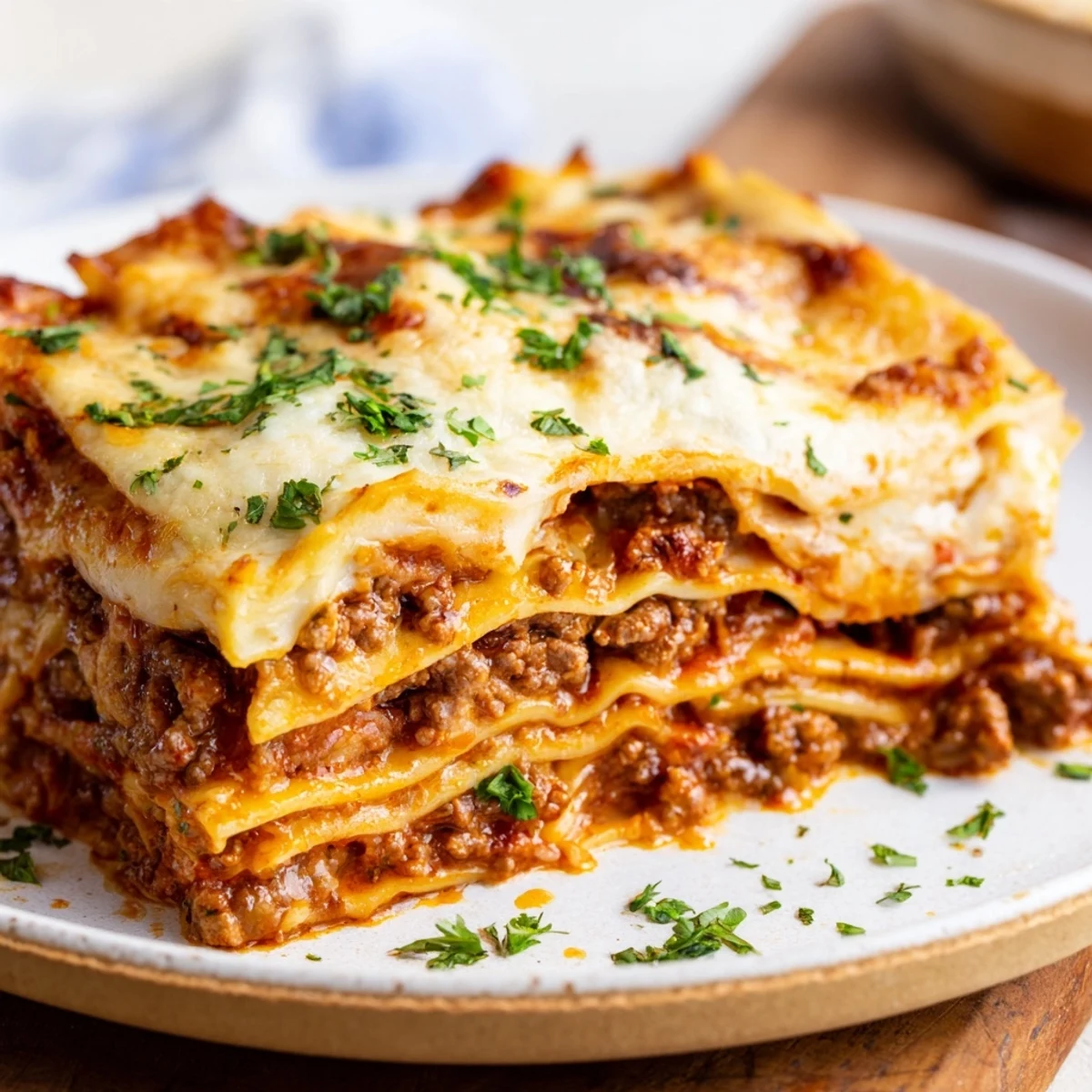
- Preheat your oven to 375°F. Spread 1 cup of plain marinara sauce on the bottom of a 9x13-inch baking dish, then lay down 4 noodles side by side. Spread half of your ricotta mixture over those noodles, then top with half of your beef-sauce mixture, then sprinkle with 2/3 cup of mozzarella. Repeat those exact layers one more time, then finish with the final 4 noodles, the remaining marinara sauce, and the last handful of mozzarella on top.
- Bake low and slow, then finish hot:
- Tent foil loosely over the lasagna so it doesn't touch the cheese layer, and bake for 25 minutes. Remove the foil and bake another 20 minutes until the top is golden and bubbly at the edges. Let it rest for 15 minutes before cutting—this sounds tedious but it's when the lasagna sets and actually holds together on a plate instead of collapsing into cheese soup.
 Pin It
 One winter, I made this lasagna for my mom when she was dealing with a difficult time, and I watched her eat three pieces in a row without saying much of anything. That's when I understood that cooking lasagna isn't really about the ingredients or even the technique—it's about creating something warm and solid that says without words: I'm thinking of you. The fact that it happened to be delicious was almost beside the point.
Why This Dish Works
Lasagna succeeds because it's a study in contrasts: the acidity of tomatoes cutting through rich beef and cheese, crispy pasta edges nestled against tender middle layers, and that moment when you hit cold mozzarella on top before it all melds together in the oven. Every element has a job, and when they're all working, the dish feels effortless. The beauty is that you can assemble it hours ahead and bake it whenever you're ready, which means you're actually relaxed when people show up instead of panicking in the kitchen.
Customizing Your Lasagna
I've made this with ground turkey when I wanted something lighter, and with pork when I had that on hand, and both work beautifully—the sauce carries the dish either way. A splash of red wine in the marinara adds depth that you wouldn't expect, or a pinch of fennel in the beef mixture if you like an Italian sausage vibe. Some people swear by a thin layer of béchamel between the noodles instead of ricotta, which is fancier but also more work, so I save that for when I'm trying to impress someone.
Storage and Serving
Leftover lasagna is honestly better on day two or three when all the flavors have had time to get to know each other, and it reheats beautifully in a 350°F oven wrapped in foil until warmed through. You can also freeze assembled unbaked lasagna for up to three months—just add a few extra minutes to the baking time when it comes straight from the freezer.
- Slice with a serrated knife and a gentle sawing motion rather than pressing down hard, which keeps the layers from sliding around.
- Serve with crusty bread to soak up sauce and a simple green salad to cut the richness.
- Garlic bread on the side turns this from dinner into an event.
 Pin It
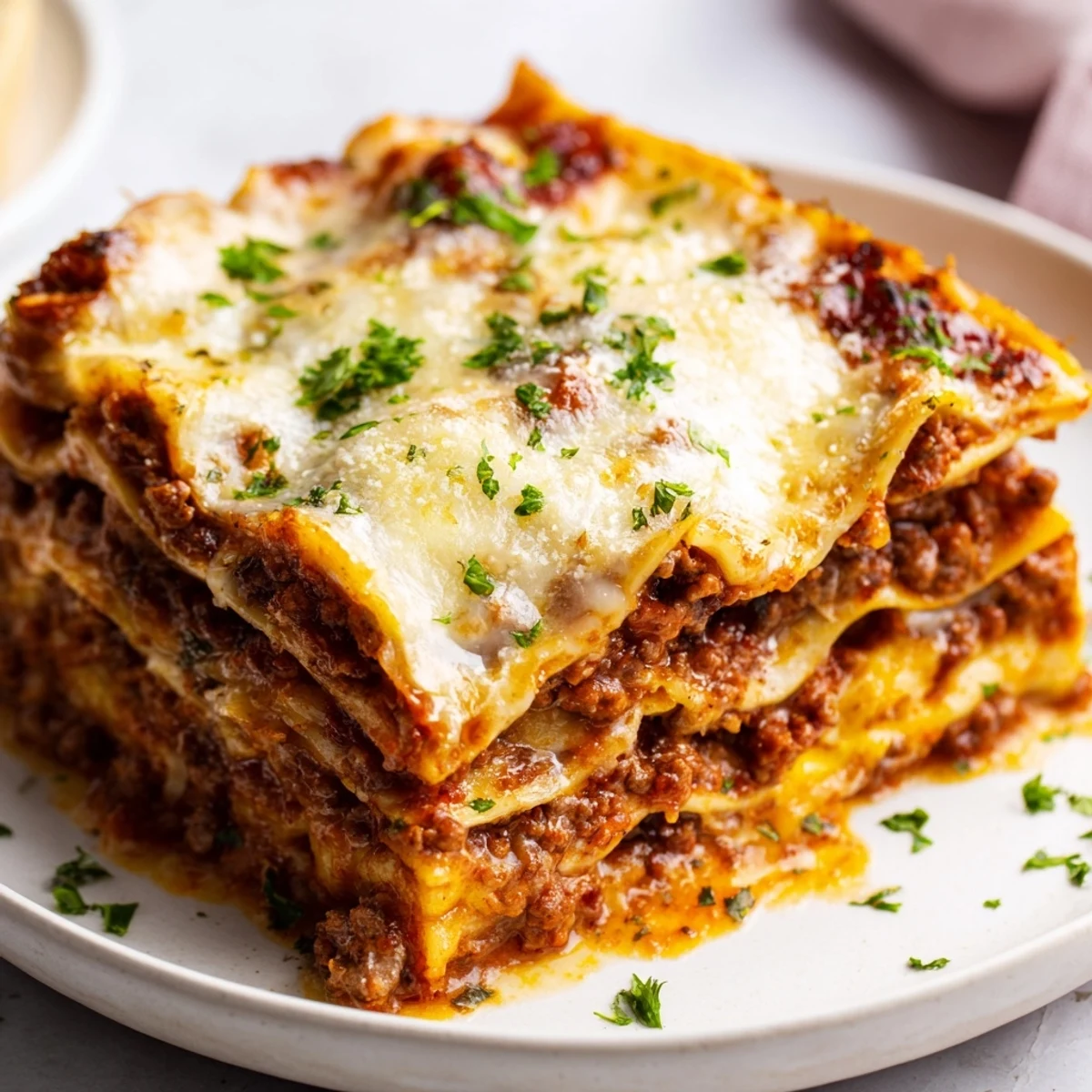
 There's a reason lasagna has been feeding families for generations—it's patient, forgiving, and it shows up for you. Make it, feed people you care about, and don't worry about whether it's perfect.
Recipe FAQs
- → How do I prepare the tomato sauce?
-
Sauté onions and garlic in olive oil until translucent, then simmer crushed tomatoes with tomato paste, oregano, basil, and seasonings for 25-30 minutes until thickened.
- → What type of beef works best?
-
Use an 80/20 ground beef blend for a balance of flavor and fat that keeps the filling moist and rich.
- → Can I use different pasta for layering?
-
Regular or oven-ready lasagna noodles both work well; cook regular noodles in salted boiling water before layering.
- → How should the layers be arranged?
-
Start with tomato sauce, then noodles, ricotta mixture, beef filling, and mozzarella, repeating layers and finishing with sauce and cheese on top.
- → What is the recommended baking method?
-
Bake covered with foil for 25 minutes to retain moisture, then uncovered for 20 minutes to create a golden, bubbly finish.
- → Are there alternatives for the beef filling?
-
Ground turkey or pork can be substituted, adjusting seasoning as needed to maintain flavor.