
 Pin It
 This classic Irish-American comfort dish transforms tough corned beef brisket into fork-tender perfection through eight hours of gentle slow cooking. The beef simmers alongside Yukon gold potatoes, sweet carrots, and aromatic onions in a savory beef broth infused with pickling spices and bay leaves. During the final two hours, fresh cabbage wedges join the pot, absorbing all those wonderful flavors without becoming mushy. The result is tender, sliced beef served alongside perfectly cooked vegetables, all bathed in that flavorful cooking liquid.
My tiny apartment smelled like a deli counter for three straight days the first time I made this. I'd wander into the kitchen just to inhale, seriously considering eating it for breakfast, lunch, and dinner. The way the beef falls apart when you barely touch it with a fork—that's magic.
Last March, my sister came over during a messy, wonderful snowstorm with a bottle of wine and nowhere else to be. We spent hours watching the steam fog up the kitchen windows, eating straight from the pot when we couldn't wait another second. Now every time she visits, she gives me that look—half question, half demand.
Ingredients
- 3 to 4 lb corned beef brisket with spice packet: The flat cut tends to slice more beautifully, but the point cut has more marbling and flavor—either works wonderfully
- 1 small head green cabbage: Cutting into wedges instead of shreds keeps it from turning into mush and gives you satisfying, chunky pieces
- 6 medium carrots: Peel them thickly—they'll absorb all that spiced broth and become impossibly sweet
- 6 small Yukon gold potatoes: These hold their shape better than russets and have a naturally buttery flavor that needs nothing else
- 1 large yellow onion: Wedges break apart gently as they cook, infusing everything with their sweetness
- 3 garlic cloves smashed: Don't bother mincing—smashed cloves mellow into the broth and add gentle depth
- 4 cups low-sodium beef broth: Low-sodium is crucial since the beef is already quite salty on its own
- 2 cups water: Dilutes the broth just enough so the salt level stays balanced after eight hours
- Spice packet from corned beef: If your brisket didn't come with one, combine mustard seeds, coriander, peppercorns, and allspice berries
- 2 bay leaves: These add that subtle, aromatic backdrop that makes the broth taste professionally developed
- Freshly ground black pepper: Be generous—it cuts through the richness and brightens everything
Instructions
- Rinse and position the beef:
- Give that brisket a good cold-water rinse to remove any excess surface salt, then pat it completely dry. Place it fat-side up in your slow cooker so the melting fat bastes the meat as it cooks.
- Add the aromatics:
- Sprinkle that spice packet all over the beef like you're seasoning a story, then tuck your potatoes, carrots, onion wedges, and smashed garlic cloves in and around the meat.
- Pour in the liquid foundation:
- Carefully pour in the beef broth and water until everything is just submerged. Tuck in the bay leaves where they won't float to the surface, then add several generous grinds of black pepper.
- Let the slow cooker work its magic:
- Cover and cook on low for 8 hours. Your kitchen will start smelling incredible around hour three—try not to lift the lid and let all that warmth escape.
- Add the cabbage at the perfect moment:
- During the last 2 hours of cooking, gently nestle those cabbage wedges right on top of everything. They'll steam tender in the broth without turning to mush.
- Rest and slice against the grain:
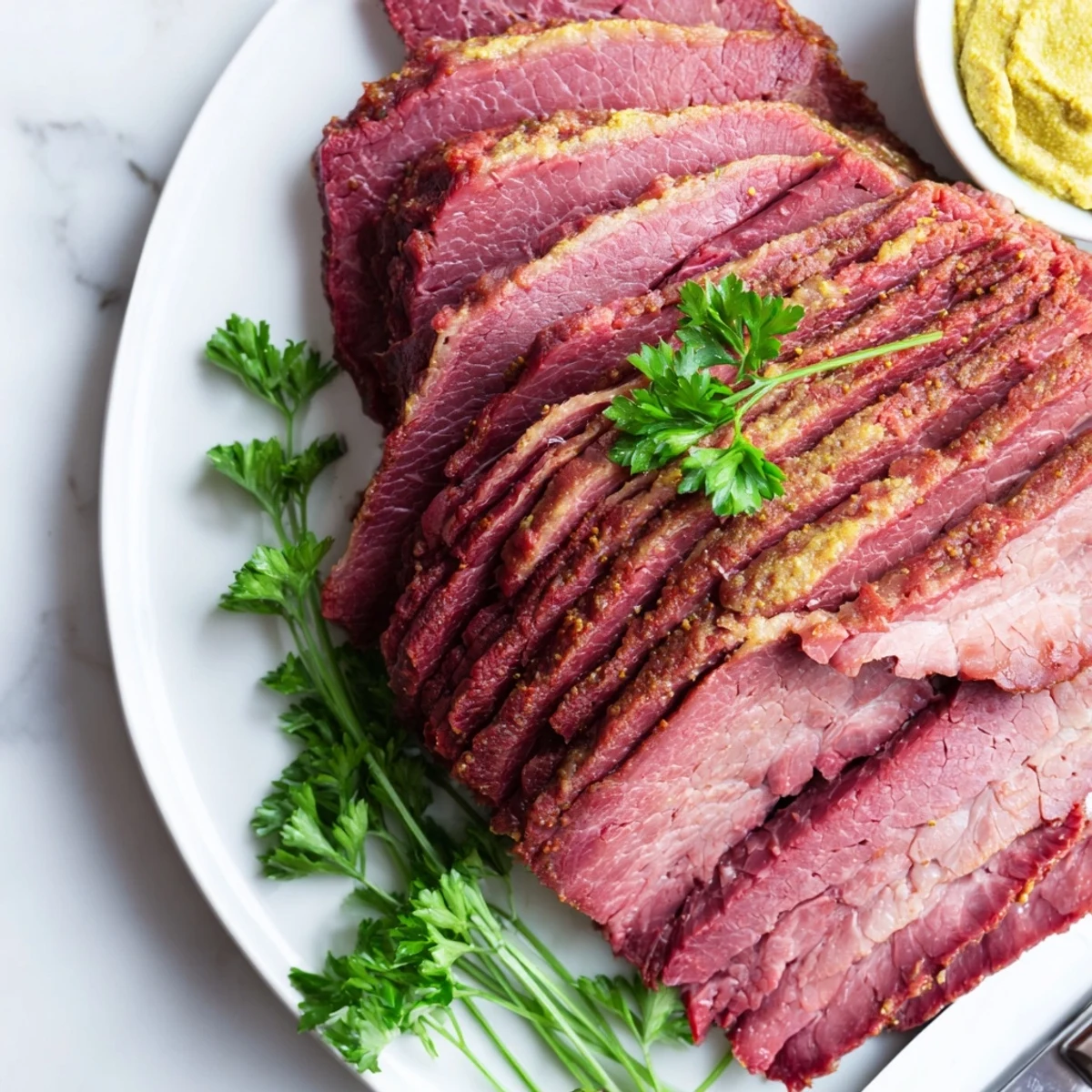
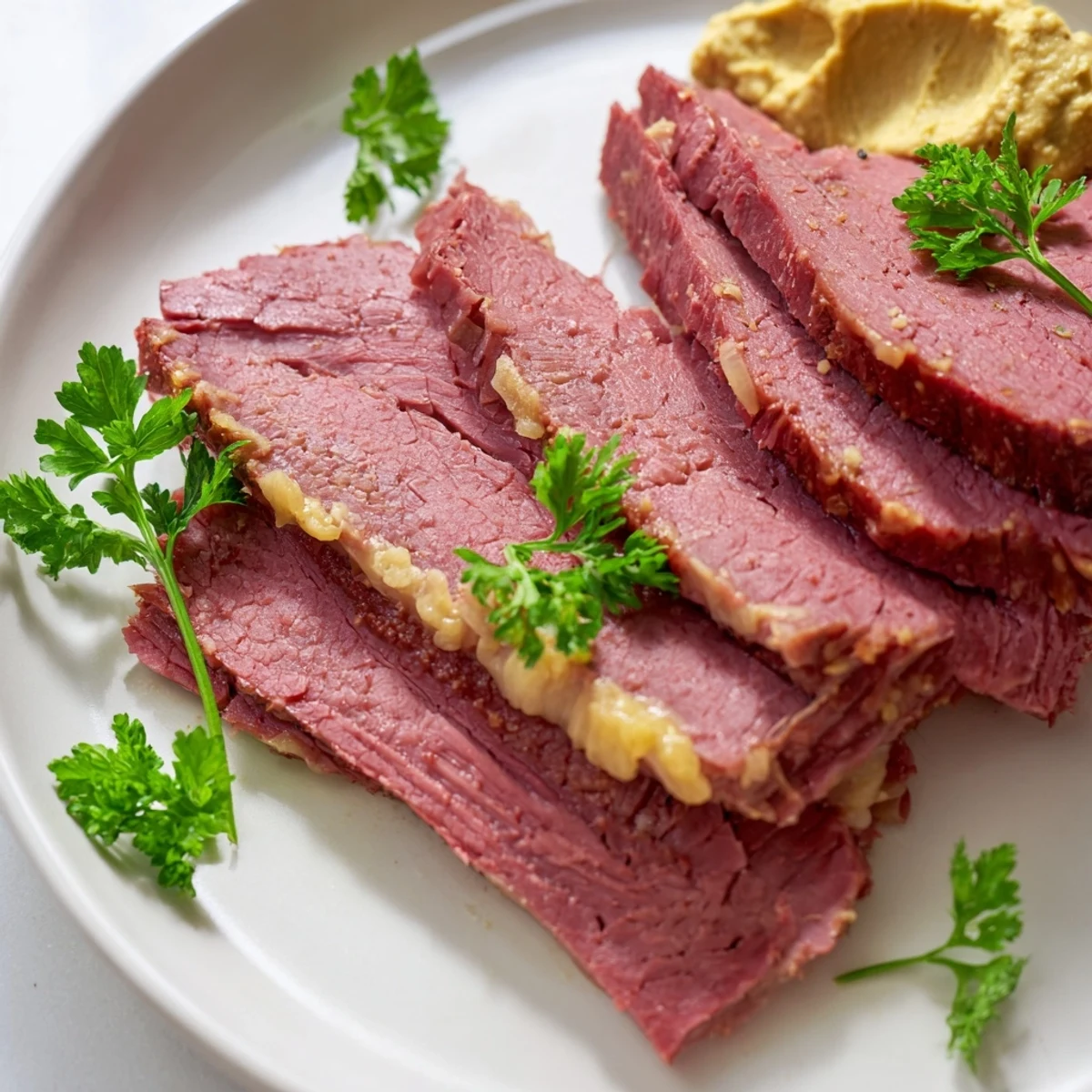
- Move the brisket to a cutting board and give it 10 minutes to relax—that's the difference between juicy and dry. Slice perpendicular to the muscle fibers for maximum tenderness.
- Serve with love:
- Arrange the sliced beef alongside those tender vegetables on each plate. Spoon plenty of that spiced cooking liquid over everything—it's the soul of the dish.
 Pin It
 My dad called me mid-cooking once, just to say he could practically smell it through the phone. Sometimes food is just a really efficient way to say I love you without using any words at all.
Make It Your Own
Sweet potatoes swap in beautifully for the Yukon golds, adding a lovely caramel note and fewer carbs. I've also tossed in parsnips when I had them taking up space in the crisper drawer—they're absolutely fantastic here.
Leftovers Are Even Better
Reheat everything gently in that precious broth—never in the microwave alone, which dries it out. My favorite breakfast application involves piling sliced beef and cabbage onto rye toast with a sharp swipe of mustard.
Serving Suggestions That Sing
A crusty baguette for sopping up that spiced broth is absolutely non-negotiable in my house. Some people insist on soda bread, and I'm not arguing with tradition.
- Extra horseradish on the side cuts through the richness beautifully
- A simple green salad with vinaigrette balances the hearty main
- Stout or dark beer pairs incredibly well with these deep flavors
 Pin It
 There's something profoundly satisfying about a meal that cooks itself while you go about your life, then gathers everyone around the table without fanfare. Good food doesn't need to be complicated—it just needs to be made with love.
Recipe FAQs
- → Why add cabbage during the last 2 hours?
-
Cabbage cooks much faster than the beef and root vegetables. Adding it during the final two hours prevents it from becoming mushy or overly soft while still allowing it to absorb all the delicious flavors from the broth and spices.
- → Can I cook this on high heat instead?
-
Yes, you can cook on high for 4-5 hours instead of low for 8 hours. However, the longer, slower cooking time at low heat produces more tender, flavorful results and gives the beef plenty of time to break down properly.
- → Do I need to rinse the corned beef first?
-
Rinsing removes excess salt from the brining process, allowing you to control the final saltiness better. It's especially important if you're watching your sodium intake or prefer a less salty finished dish.
- → What's the best way to slice corned beef?
-
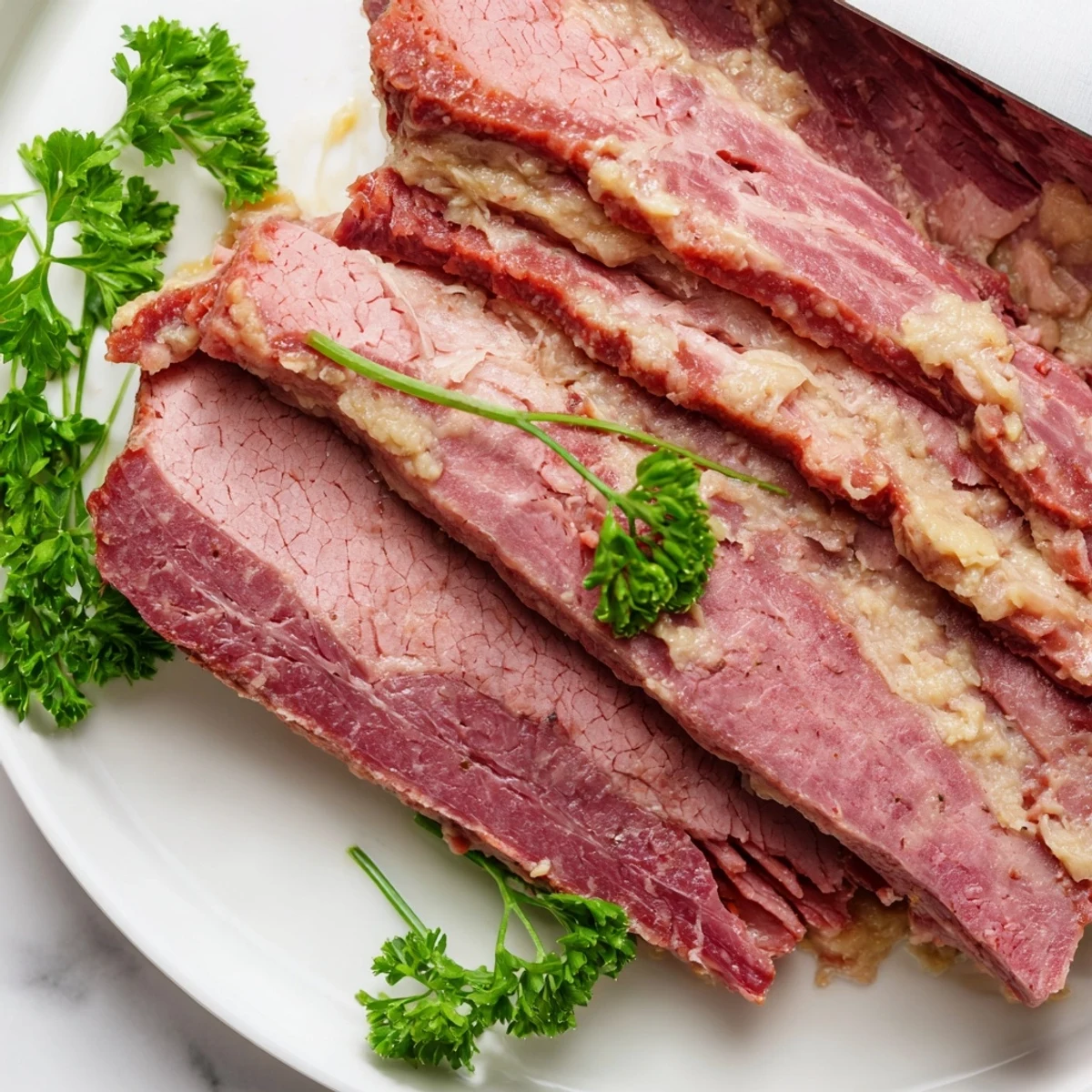
Always slice against the grain—this means cutting perpendicular to the muscle fibers. This shortens the fibers and makes each bite more tender. Letting the meat rest for 10 minutes before slicing helps retain its juices.
- → Can I use red cabbage instead of green?
-
While you can use red cabbage, it will turn the cooking liquid and other vegetables an unusual purple color. Green cabbage is traditional and maintains the dish's classic appearance, though red cabbage works perfectly fine from a flavor perspective.
- → What should I serve with this dish?
-
Crusty bread for soaking up the flavorful broth, horseradish or Dijon mustard for a zesty kick, and perhaps a simple Irish soda bread. The dish is quite complete on its own with meat and vegetables already included.