
 Pin It
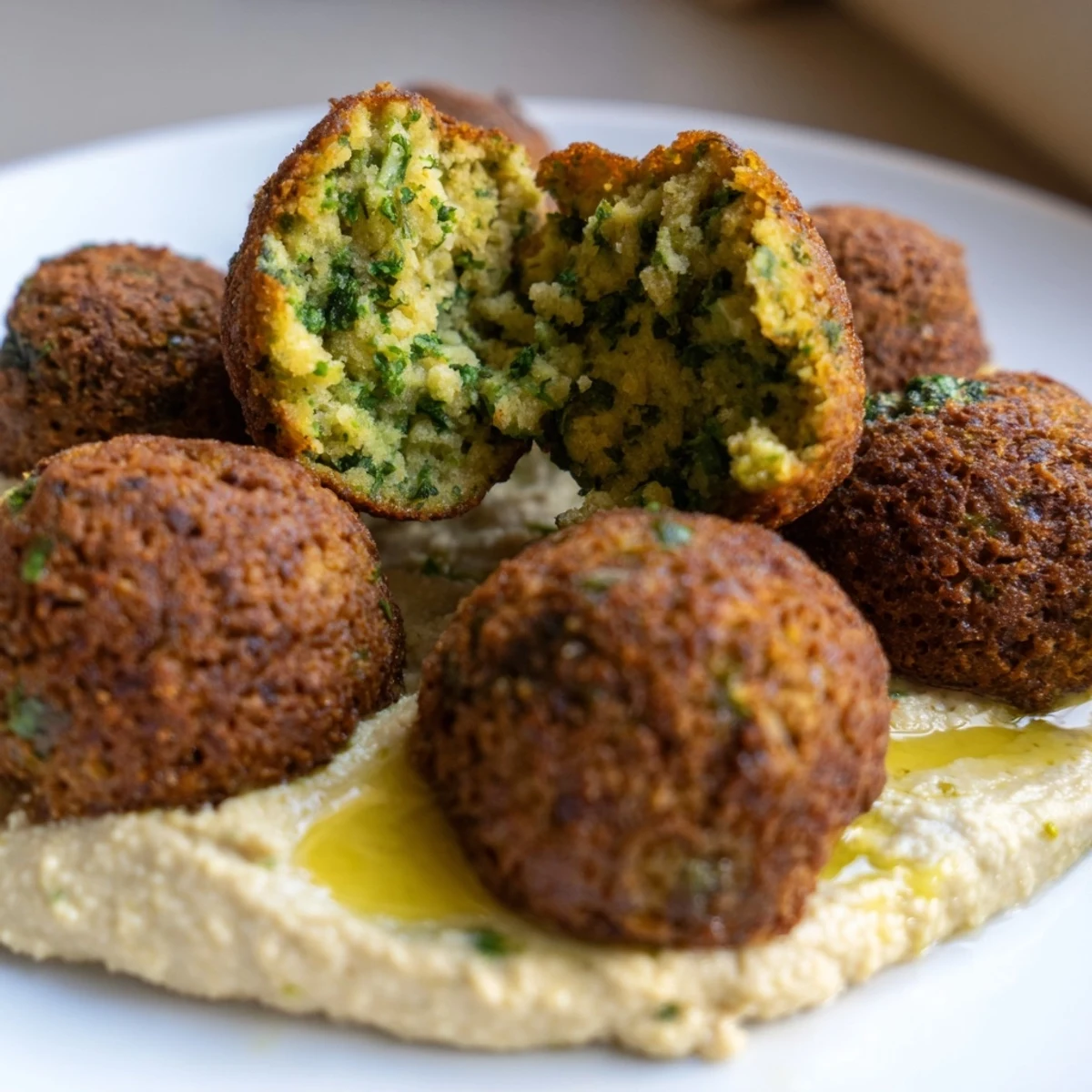
 This dish features golden, crunchy falafel balls infused with fresh parsley, cilantro, and mint for vibrant flavor. They’re fried to crisp perfection and served alongside a creamy, tangy chickpea-based hummus with tahini and lemon juice. Accompanied by fresh sliced vegetables and warm pita or gluten-free flatbread, it offers a colorful, satisfying Middle Eastern-inspired meal. The combination balances herbaceous depth, smooth texture, and fresh brightness.
Preparation includes soaking chickpeas, blending herb and spice mixes, frying falafel until crisp, and blending smooth hummus. Optional baking offers a lighter version. This meal suits vegan and gluten-free diets when appropriate ingredients are used.
My first batch of homemade falafel was a disaster—I used canned chickpeas and they turned to mush in the oil, creating greasy little pucks that tasted vaguely of regret. Years later, a friend's Lebanese mother showed me the secret: dried chickpeas soaked overnight, fresh herbs by the handful, and the kind of chill time I never had patience for. Once I learned to respect the process, something magical happened—golden, shattering exteriors hiding warm, herbaceous centers.
I made this for a dinner party once and watched my friend who grew up eating authentic falafel in Beirut take a bite—then go silent. When she finally spoke, she said, "This is how I remember it." That moment made all the careful herb chopping and oil temperature checking worth it.
Ingredients
- Dried chickpeas (1 1/2 cups), soaked overnight: The difference between creamy-centered falafel and dense hockey pucks—never skip this step or use canned.
- Fresh parsley, cilantro, and mint (3 cups total): These aren't garnish; they're the soul of the falafel and what makes it taste like home.
- Ground cumin and coriander (1 tsp each): Warm, earthy spices that tie everything together without overwhelming the herbs.
- Baking powder (1/2 tsp): The tiny ingredient that makes all the difference—it creates that crispy exterior while keeping the inside tender.
- Chickpea flour (2-3 tbsp): Just enough to bind everything; too much and your falafel becomes heavy and mealy.
- Tahini (1/3 cup): The foundation of silky hummus—look for brands that list only sesame seeds and maybe salt.
- Lemon juice and olive oil: Acid and fat balance the richness of tahini and bring brightness to every bite.
Instructions
- Blend the herbs and chickpeas into something alive:
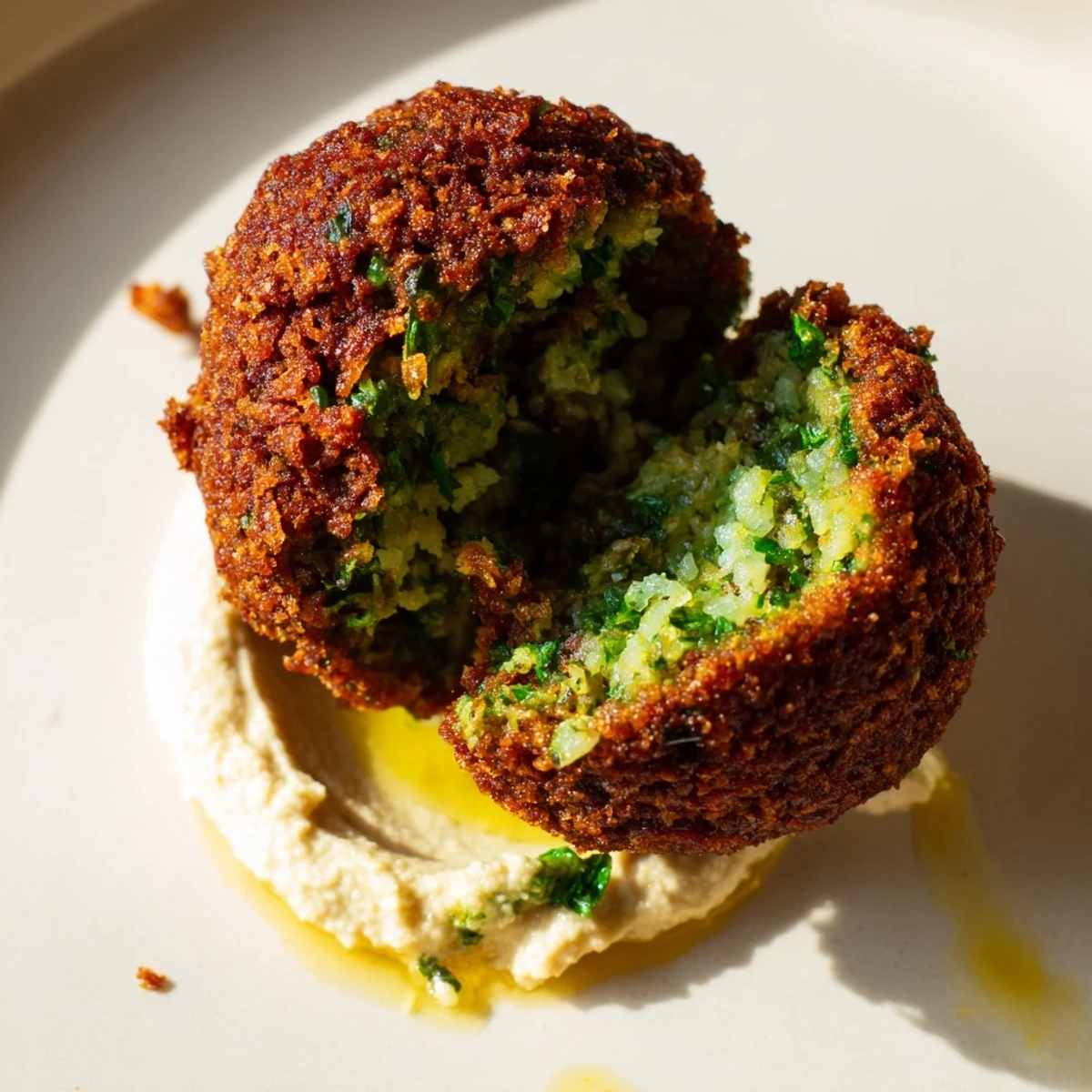
- Pulse your soaked chickpeas with onion, garlic, and those three fresh herbs in a food processor until it looks like coarse breadcrumbs—you want texture, not paste. The mixture should feel almost grainy between your fingers.
- Season generously, then bind it:
- Stir in cumin, coriander, cayenne if you like heat, salt, pepper, and finally baking powder mixed with chickpea flour. The batter should hold together when you squeeze it; add flour a tablespoon at a time if it's too wet.
- Chill your falafel shapes:
- Roll into walnut-sized balls or flatten into patties and refrigerate for 30 minutes—this helps them hold their shape when they hit the hot oil. If you're short on time, even 15 minutes helps.
- Get your oil singing hot:
- Heat 2 inches of oil to 350°F (175°C) in a deep skillet—a thermometer takes the guesswork out. If the oil isn't hot enough, your falafel will absorb grease instead of crisping.
- Fry in batches until they're golden and shatter:
- Gently lower falafel into the hot oil and resist the urge to move them around—let them develop that burnished exterior for 3-4 minutes, turning once. They should sound crispy when you tap them, not soft.
- Make hummus that tastes like velvet:
- Blend cooked chickpeas with tahini, lemon juice, olive oil, and garlic until completely smooth. Add cold water slowly while the processor runs, just until it becomes creamy and light—overshooting makes it taste thin and watery.
 Pin It
 I once brought warm falafel to a friend's apartment straight from my kitchen, and the smell in her hallway made three neighbors open their doors. She sprinkled fresh parsley on top, drizzled olive oil over the hummus, and we sat on her kitchen counter tearing through pita like we were at a proper feast. That's when I understood—falafel isn't just food, it's an invitation to slow down and share something real.
Why Fresh Herbs Change Everything
Most falafel recipes treat herbs as optional—a garnish at best. But when you pack the batter with fresh parsley, cilantro, and mint, the falafel transforms into something completely different: lighter, more complex, tasting like the herb garden itself rather than just spices. The first time I tasted falafel this way, I realized I'd been eating a completely different dish my entire life.
The Crispy Exterior Secret
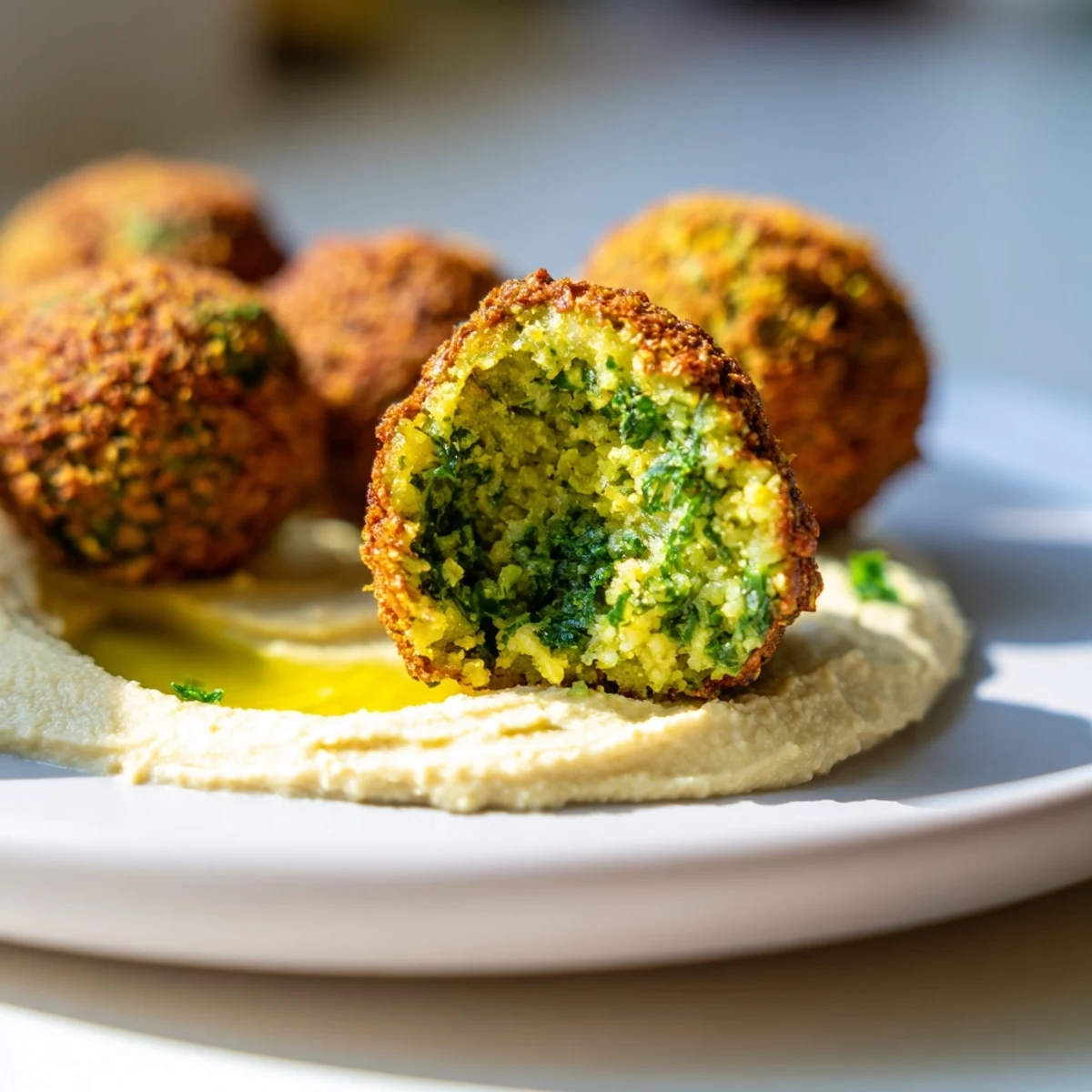
That satisfying shatter when you bite into a properly fried falafel comes from three things working together: baking powder creating tiny air pockets, hot enough oil to seal the exterior immediately, and enough binding flour to keep everything intact. The baking powder is easy to forget, but it's the reason homemade falafel feels almost weightless compared to dense versions from the freezer case.
Serving and Storage Tips
Warm falafel tastes exponentially better than room temperature—if you're making these ahead, reheat them briefly in a 350°F oven just before serving. The hummus can sit in the refrigerator for days and actually improves, as flavors meld and deepen. Arrange everything on a platter and let people build their own bites: falafel, hummus, fresh vegetables, herbs, torn pita.
- Falafel keeps in an airtight container for up to 3 days and reheats perfectly in a 350°F oven for 10 minutes.
- For a baked version, brush shaped falafel with oil and bake at 400°F for 20-25 minutes, turning once—less crispy but lighter and equally delicious.
- Make both the falafel and hummus a few hours ahead; everything tastes better when flavors have time to settle.
 Pin It
 Making falafel at home taught me that some of the most satisfying food comes from respecting simple ingredients and taking time with technique. There's no secret beyond fresh herbs, proper heat, and the patience to do it right.
Recipe FAQs
- → How do I achieve crispy falafel exterior?
-
Ensure falafel balls are well chilled before frying and use hot oil (around 350°F/175°C) to quickly form a golden crust without absorbing excess oil.
- → Can falafel be baked instead of fried?
-
Yes, for a lighter option, brush patties with oil and bake at 400°F (200°C) for 20–25 minutes, turning once for even crispiness.
- → What herbs enhance falafel flavor best?
-
Fresh parsley, cilantro, and mint combine to add a bright and aromatic complexity to falafel mixture.
- → How to make hummus smooth and creamy?
-
Blend chickpeas with tahini, lemon juice, olive oil, and garlic until very smooth; gradually adding cold water creates a light, silky texture.
- → Are there gluten-free options for falafel?
-
Use certified gluten-free chickpea flour and pair falafel with gluten-free flatbread to maintain gluten-free status.