
 Pin It
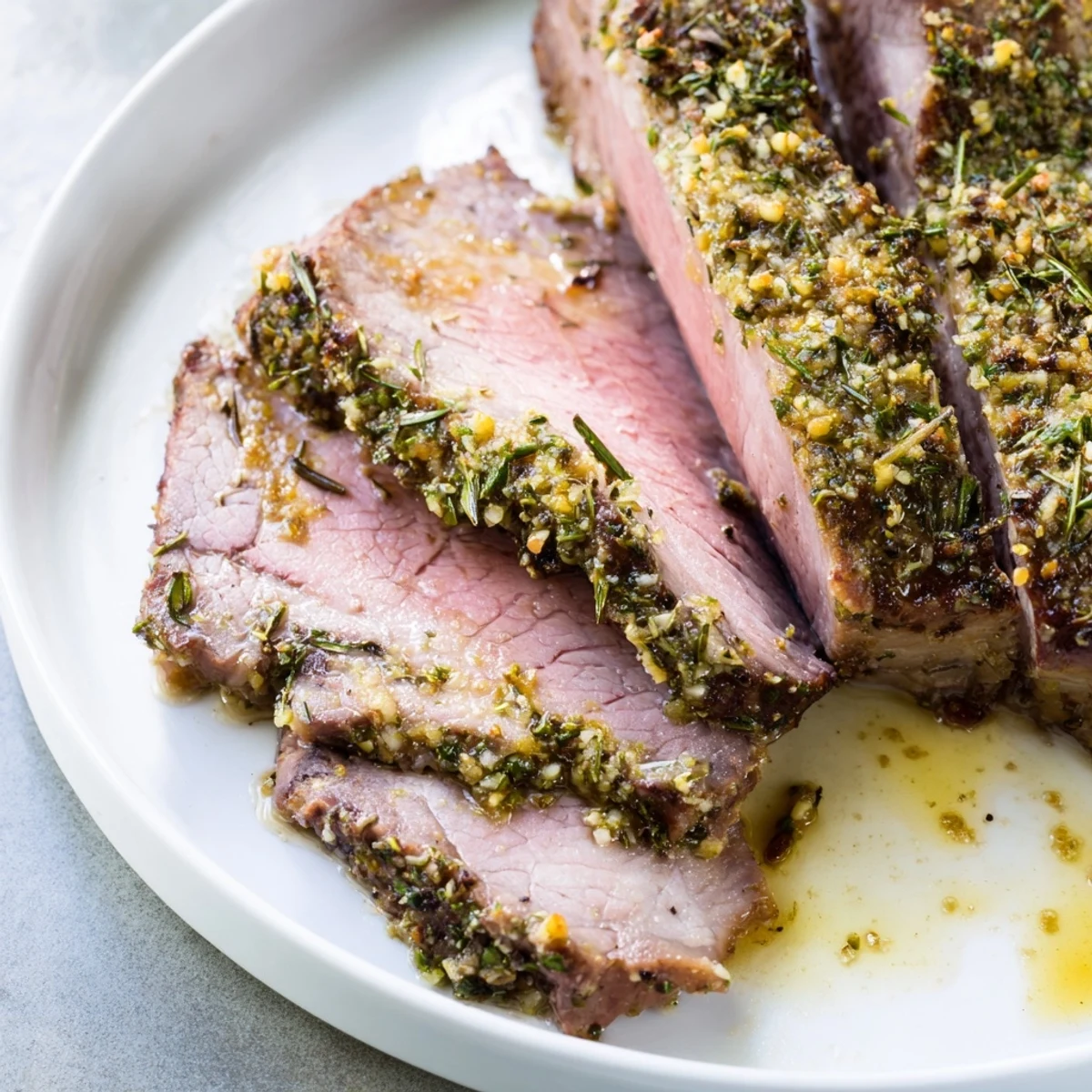
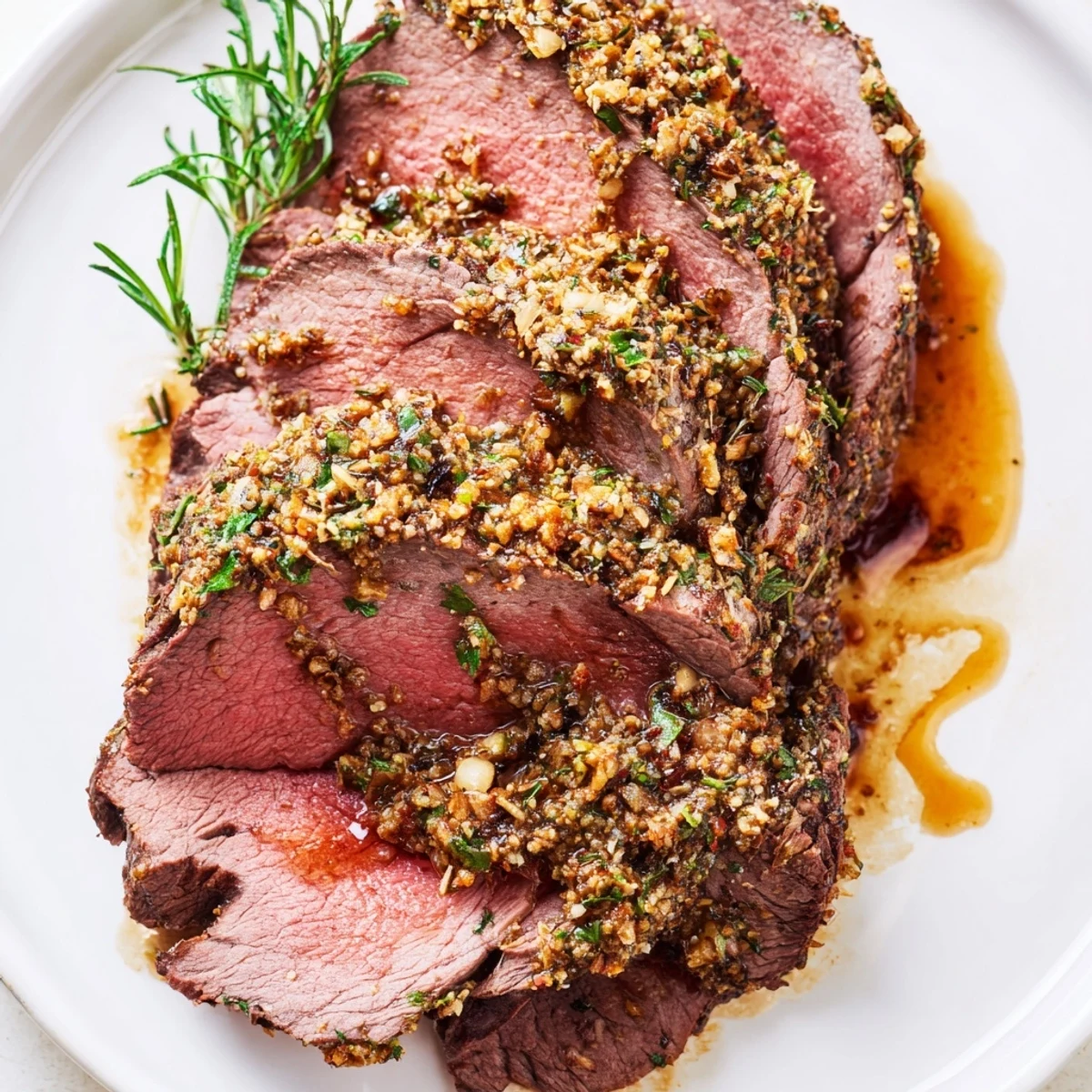
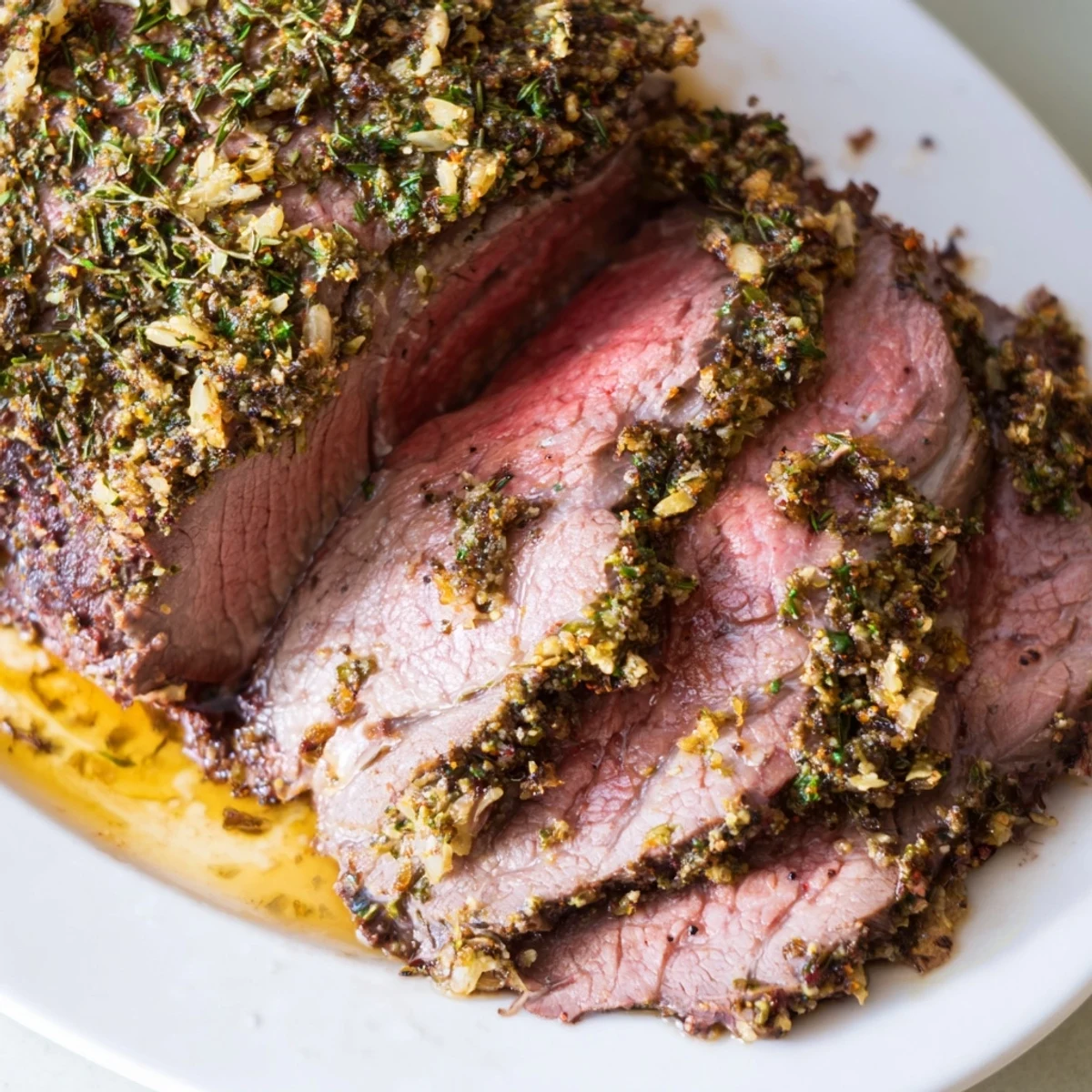
 This dish features a 1.5 kg beef topside coated with a blend of olive oil, Dijon mustard, fresh parsley, rosemary, thyme, garlic, salt, and pepper. The beef is set over a bed of thickly sliced onion, carrots, and celery, then roasted at high heat before lowering the temperature for even cooking. Resting after roasting allows juices to redistribute, yielding a moist, flavorful cut perfect for a hearty main course.
I bought a topside roast on impulse one Saturday, drawn in by the deep red grain and the butcher's quiet confidence. At home, I spread herbs across the counter and realized I had no plan beyond trust. The smell of rosemary hitting warm olive oil erased every doubt.
I made this the first time my in-laws visited, and the kitchen filled with thyme and garlic an hour before they arrived. My father-in-law carved it at the table, nodding with each slice. No one said much, but the quiet said everything.
Ingredients
- 1.5 kg beef topside roast, trimmed: Topside is lean and benefits from a slow roast and plenty of rest, let it sit out before cooking so it heats evenly.
- 2 tbsp olive oil: This carries the herbs across the meat and helps the crust stick without sliding off in the oven.
- 2 tbsp Dijon mustard: It adds sharpness and acts like glue for the garlic and herbs, you can swap it for English mustard if you want heat.
- 2 tbsp fresh parsley, finely chopped: Parsley brings color and a clean, grassy note that balances richer flavors.
- 1 tbsp fresh rosemary, finely chopped: Rosemary is bold and piney, chop it fine or it can feel woody on the tongue.
- 1 tbsp fresh thyme, finely chopped: Thyme is quieter than rosemary but deepens the whole crust with earthy warmth.
- 4 garlic cloves, minced: Garlic mellows as it roasts and perfumes the meat from the outside in.
- 1 tsp sea salt: Coarse salt draws out moisture and seasons the surface where it matters most.
- 1/2 tsp freshly ground black pepper: Crack it fresh for a sharper bite that cuts through the richness of the beef.
- 1 onion, thickly sliced: Onion forms a sweet, caramelized base under the roast and keeps the meat from sticking.
- 2 carrots, cut into large chunks: Carrots add natural sugar to the pan juices and roast alongside without burning.
- 2 celery sticks, cut into large chunks: Celery brings a savory backbone and soaks up drippings beautifully.
Instructions
- Bring the beef to room temperature:
- Take the roast out of the fridge 30 minutes before cooking so the center cooks evenly. Preheat your oven to 200°C (400°F, gas mark 6) while you wait.
- Make the herb paste:
- In a small bowl, stir together olive oil, Dijon mustard, parsley, rosemary, thyme, garlic, salt, and pepper until it looks like wet, fragrant sand. The smell alone will make you hungry.
- Prepare the roasting tin:
- Pat the beef dry with paper towels, then scatter the onion, carrots, and celery across the bottom of a roasting tin to create a vegetable trivet. Set the beef on top so it doesnt sit in its own juices.
- Apply the crust:
- Rub the herb paste all over the beef, pressing it into every curve and crevice. Your hands will smell like a garden for hours.
- Roast at high heat, then lower:
- Roast for 20 minutes at 200°C to form a crust, then drop the temperature to 180°C (350°F, gas mark 4) and continue for about 1 hour 10 minutes. Use a meat thermometer to check for 54°C (130°F) for medium-rare or 60°C (140°F) for medium.
- Rest before carving:
- Remove the beef, tent it loosely with foil, and let it rest for at least 20 minutes. This step is non-negotiable, it keeps the juices inside instead of on your cutting board.
- Slice and serve:
- Carve against the grain into thin slices and spoon over the pan juices. Serve with the roasted vegetables or anything you love beside beef.
 Pin It
 One Sunday I served this with Yorkshire puddings that rose like golden clouds, and my daughter asked if we could eat like this every week. I laughed, but part of me wanted to say yes. Some meals feel like home before you even sit down.
What to Serve Alongside
Roast potatoes with crispy edges and fluffy centers are the natural partner here, but creamy mash works too if you want comfort over crunch. A simple green salad with a sharp vinaigrette cuts through the richness, and roasted root vegetables bring sweetness that echoes the caramelized trivet beneath the beef. If youre feeling traditional, Yorkshire pudding and a jug of hot gravy turn this into a proper Sunday roast.
How to Store and Reheat
Let the beef cool completely, then wrap it tightly in foil or place it in an airtight container and refrigerate for up to four days. Cold slices are perfect for sandwiches with horseradish and mustard, or you can gently reheat them in a low oven with a splash of stock to keep them moist. Avoid the microwave if you can, it turns the meat rubbery and dull.
Small Changes That Make a Difference
A splash of red wine in the roasting tin halfway through cooking adds depth to the pan juices and makes them taste like they simmered for hours. Swap Dijon for English mustard if you want a sharper, hotter crust, or add a teaspoon of honey to the herb paste for a hint of sweetness that plays beautifully with the garlic. If you dont have fresh herbs, use half the amount of dried, but fresh really does make the crust sing.
- Add a bay leaf or two to the vegetable trivet for a subtle herbal undertone.
- Brush the beef with the pan juices halfway through roasting to build flavor and gloss.
- Let the carved slices sit in the warm pan juices for a minute before plating for extra richness.
 Pin It
 This roast taught me that patience and a few good herbs can turn an ordinary cut into something worth gathering around. Every time I make it, someone asks for the recipe, and I tell them its simpler than it looks.
Recipe FAQs
- → What is the best way to prepare the herb crust?
-
Mix olive oil, Dijon mustard, fresh parsley, rosemary, thyme, minced garlic, sea salt, and black pepper into a paste. Spread evenly over the beef for maximum flavor adhesion.
- → How do I ensure the beef is cooked to medium-rare?
-
Use a meat thermometer to check the internal temperature. Aim for 54°C (130°F) before resting for medium-rare doneness.
- → Can I add additional vegetables to the roasting tin?
-
Yes, alongside onion, carrots, and celery, root vegetables like potatoes or parsnips complement the beef and can roast together for extra flavor.
- → Why should the beef rest after roasting?
-
Resting allows juices to redistribute within the meat, ensuring a moist and tender texture when sliced.
- → What can enhance the pan juices for serving?
-
A splash of red wine or a little stock added to the roasting tin juices creates a richer, more flavorful sauce to accompany the beef.