
 Pin It
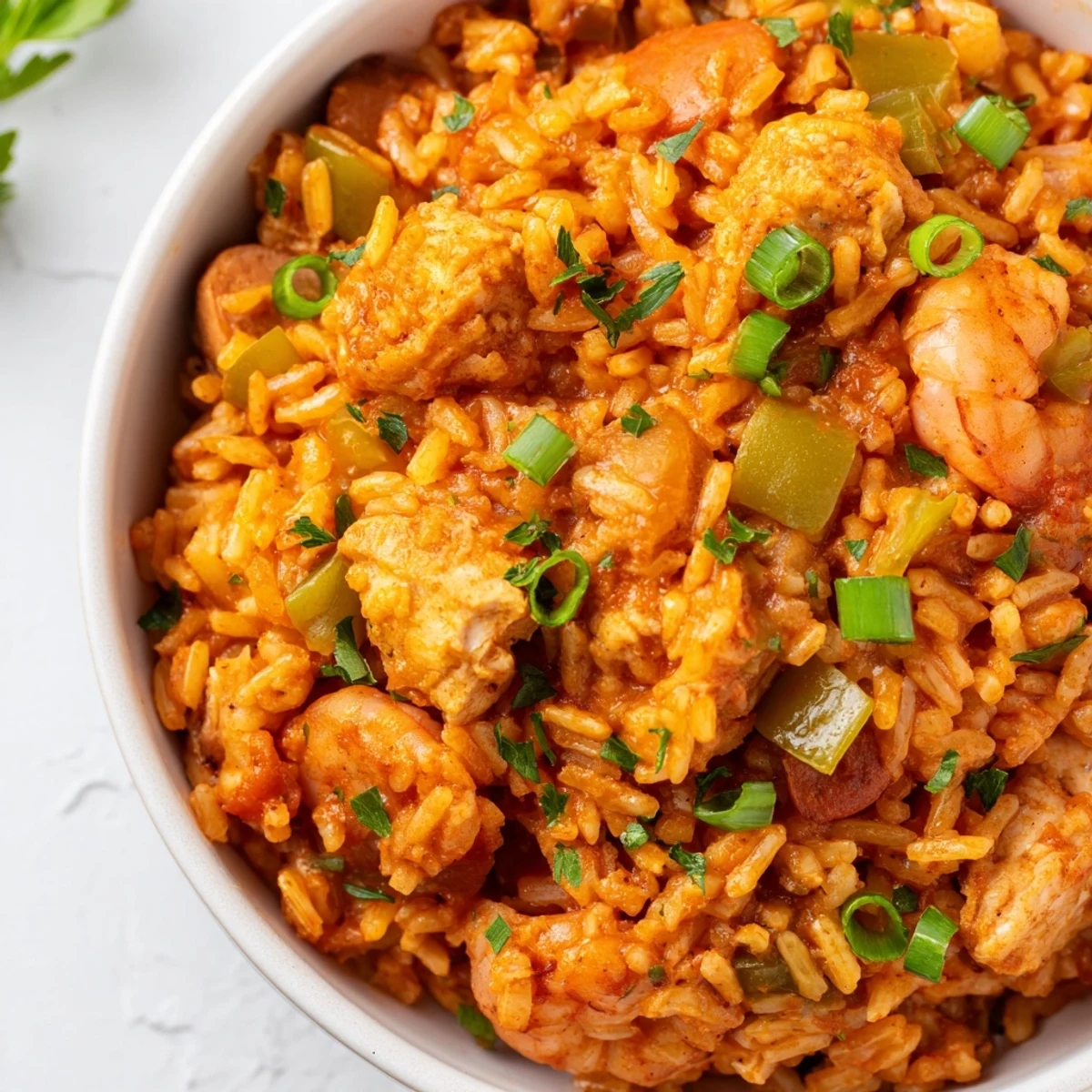
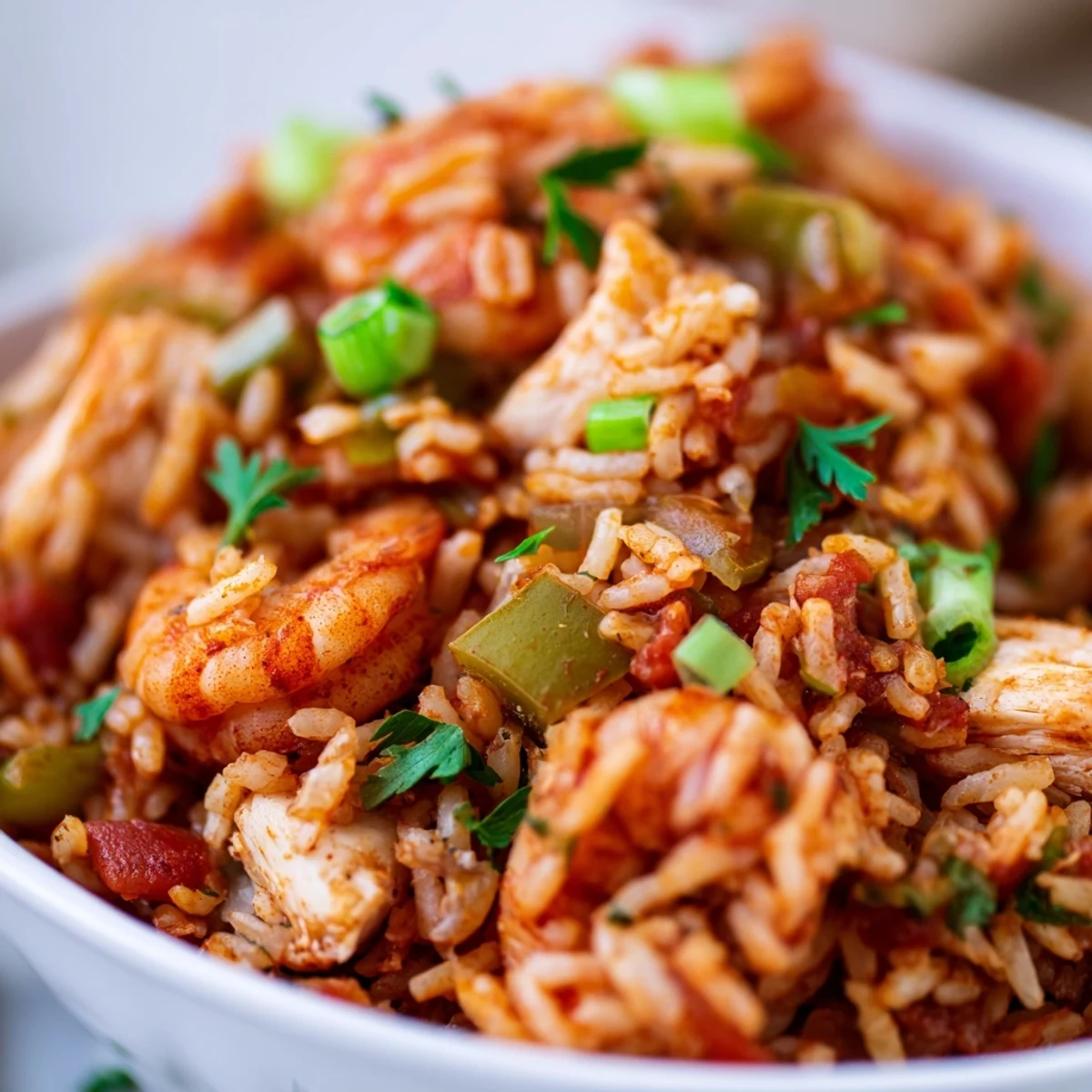
 This one-pot Creole Jambalaya brings together tender halal chicken and succulent shrimp with aromatic vegetables. Begin by browning chicken, then sauté onion, bell pepper, and celery – the "holy trinity." Stir in a fragrant blend of paprika, thyme, oregano, and a touch of cayenne. Add diced tomatoes and long-grain rice, then simmer in halal-certified chicken broth with bay leaves. Finish by gently folding in the shrimp until cooked. The result is a richly spiced, deeply satisfying rice dish. Garnish with fresh herbs and a squeeze of lemon for an authentic Southern experience.
The scent of simmering spices always brings me back to those crisp autumn evenings, when the air held a hint of woodsmoke and a hearty meal was exactly what the soul craved. I remember browsing through old cookbooks, looking for something that promised both warmth and a burst of flavor. That&s when I first discovered the magic of Jambalaya, a dish that instantly transported my kitchen to the vibrant streets of New Orleans. It felt like a culinary adventure waiting to happen, right there in my own home.
I cooked this for a small gathering of friends one chilly Friday night, a little unsure if my interpretation would hit the mark. As the lid came off and the steam rose, carrying the rich, spicy aroma through the dining room, everyone&s eyes lit up. There was a moment of quiet as the first spoonfuls were taken, followed by murmurs of delight and appreciative nods — that&s when I knew this wasn&t just a recipe, it was a crowd-pleaser.
Ingredients
- Boneless, Skinless Halal Chicken Thighs (350 g): Cut into 2 cm pieces; thighs stay wonderfully moist and absorb flavors beautifully.
- Large Shrimp (250 g): Peeled and deveined; these add a sweet, briny counterpoint to the rich chicken, but make sure they&re large enough not to disappear in the pot.
- Vegetable Oil (2 tbsp): The perfect starting point for browning your chicken and sautéing the aromatic vegetables.
- Medium Onion (1): Finely chopped; it forms a crucial part of the "holy trinity" base for authentic Creole flavor.
- Green Bell Pepper (1): Diced; contributes a fresh, slightly bitter note that balances the richness.
- Celery Stalks (2): Diced; another essential component of the trinity, adding an earthy freshness.
- Garlic Cloves (3): Minced; garlic is non-negotiable for that punchy, savory depth.
- Canned Diced Tomatoes (400 g): With juice; provides acidity and liquid, creating a rich sauce for the rice.
- Long-Grain Rice (300 g): Rinsed; rinsing removes excess starch, ensuring a fluffier, individual grain texture.
- Low-Sodium Halal-Certified Chicken Broth (700 ml): This is the liquid foundation, so a good quality broth is key to a flavorful jambalaya.
- Paprika (2 tsp): Adds a beautiful color and a mild, sweet peppery flavor.
- Dried Thyme (1 tsp): A classic herb that brings an earthy, slightly minty note to the dish.
- Dried Oregano (1 tsp): Another cornerstone of Creole seasoning, offering a robust, slightly bitter aromatic quality.
- Cayenne Pepper (½ tsp): Adjust this to your heat preference; it delivers that signature Creole kick.
- Black Pepper (½ tsp): A touch of freshly ground black pepper always enhances the overall spice profile.
- Salt (1 tsp): Crucial for seasoning every layer of the dish; taste and adjust as you go.
- Bay Leaves (2): These silently infuse the dish with a subtle, aromatic background note during the simmer.
- Fresh Parsley (2 tbsp): Chopped, for garnish; adds a vibrant pop of color and fresh herbaceousness at the end.
- Spring Onions (2): Sliced, for garnish; provides a mild oniony crunch and bright color.
- Lemon Wedges: To serve; a squeeze of fresh lemon juice at the end brightens all the rich flavors beautifully.
Instructions
- Brown the Chicken:
- Heat the vegetable oil in your large, heavy-bottomed pot over medium-high heat. Add the chicken pieces and let them sizzle until they&re lightly browned on all sides, about 4-5 minutes. Don&t cook them through, just get that lovely color, then remove the chicken and set it aside.
- Sauté the Trinity:
- In the same pot, without cleaning it, toss in the chopped onion, bell pepper, and celery. Sauté these aromatic vegetables for 5-6 minutes until they start to soften and become fragrant. Stir in the minced garlic and cook for just 1 minute more, stirring constantly so it doesn&t burn.
- Awaken the Spices:
- Now, stir in the paprika, thyme, oregano, cayenne, black pepper, and salt with the sautéed vegetables. Let these spices cook for about 1 minute, stirring gently, to really release their incredible aromas.
- Add Tomatoes and Rice:
- Pour in the canned diced tomatoes with their juice, then add the rinsed long-grain rice. Stir everything together thoroughly, making sure the rice is well coated with all those wonderful seasonings and juices.
- Simmer to Perfection:
- Pour in the chicken broth and add the bay leaves to the pot. Bring the mixture to a boil, then immediately reduce the heat to low. Return the browned chicken pieces to the pot, cover tightly, and let it simmer undisturbed for 20 minutes.
- Introduce the Shrimp:
- After 20 minutes, gently fold the shrimp into the simmering jambalaya. Cover the pot again and cook for another 7-8 minutes, or until the rice is tender and the shrimp are perfectly pink and cooked through.
- Rest and Prepare for Serving:
- Once cooked, remove the pot from the heat and discard the bay leaves. Let the jambalaya rest uncovered for 5 minutes; this allows the flavors to meld and the rice to fully absorb any remaining liquid.
- Garnish and Serve:
- Fluff the jambalaya gently with a fork. Garnish generously with fresh chopped parsley and sliced spring onions. Serve immediately with lemon wedges on the side for an extra burst of brightness.
 Pin It
 This jambalaya has become our go-to comfort food for cozy movie nights at home. I remember one evening, curled up on the sofa with a big bowl, the gentle spices and tender chicken felt like a warm hug after a long week. It&s more than just a meal now; it&s a signal for unwinding and enjoying simple, happy moments together.
The Magic of the Mirepoix (or Holy Trinity)
The "holy trinity" of onion, bell pepper, and celery isn&t just a suggestion in Creole cooking—it&s the soul of the dish. Taking your time to properly sauté these vegetables until they&re soft and fragrant builds an incredible depth of flavor right from the start. Don&t rush this step; those few extra minutes really pay off, creating a sweet and aromatic foundation for everything else to build upon. It&s where the magic truly begins.
Spicing It Up Just Right
When it comes to the spices, don&t be shy about adjusting the cayenne to your own taste buds' preference. I once added a touch too much and our dinner guests were reaching for their water glasses a little more often than usual—a funny memory now! The key is to let those dried spices bloom in the hot oil for a minute or so after the garlic; this gentle toasting releases their full aroma and infuses the entire dish with warmth.
The Art of the Simmer
The simmering stage is crucial for perfectly cooked rice and melded flavors. Once you've added the broth and rice, resist the urge to constantly lift the lid and stir—that trapped steam is essential for cooking the rice evenly. Treat your pot like a little flavor factory, letting it work its magic undisturbed. The rice will absorb all those wonderful liquids, becoming tender and infused with every spice and vegetable.
- For the best results, use a heavy-bottomed pot to prevent scorching on the bottom.
- Make sure your heat is truly low during the simmer; a gentle bubble is what you're aiming for.
- Don&t forget to discard those bay leaves before serving—they've done their job!
 Pin It
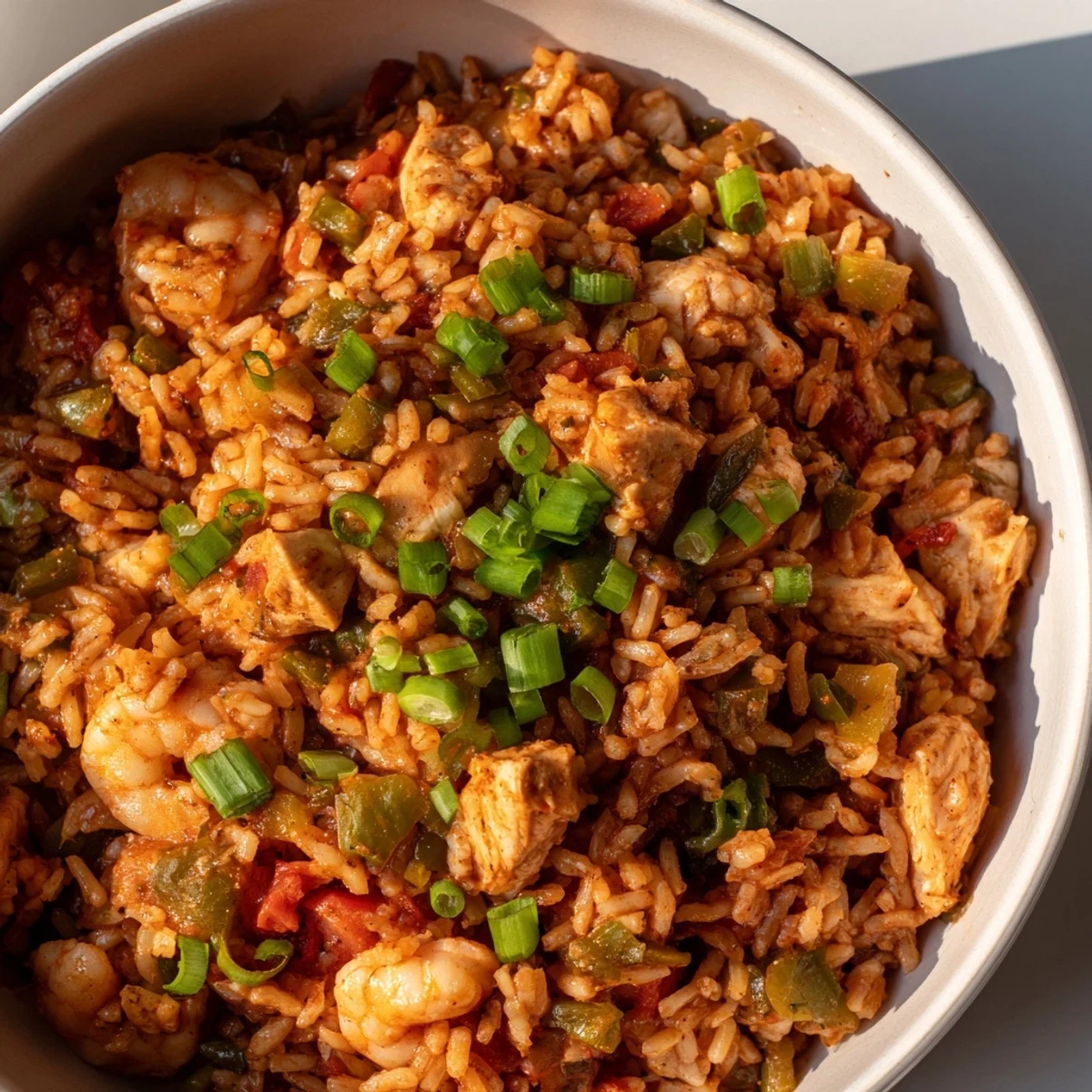
 This Jambalaya isn&t just a meal; it&s an experience, a little taste of Creole warmth right in your home. I hope you enjoy creating and sharing it as much as I do.
Recipe FAQs
- → What kind of rice is best for Jambalaya?
-
Long-grain white rice is ideal for Jambalaya as it absorbs flavors well and maintains a good texture, preventing the dish from becoming mushy. Rinsing the rice beforehand is important to remove excess starch.
- → How can I adjust the spice level of this Jambalaya?
-
The cayenne pepper is the primary heat source. For a milder dish, reduce or omit it entirely. If you prefer more heat, you can increase the cayenne or add a few dashes of hot sauce at the end. Always adjust to your personal preference.
- → Can I substitute the chicken or shrimp with other proteins?
-
Absolutely! While chicken and shrimp are classic, you can enhance the dish with halal smoked sausage or turkey sausage for extra depth, as suggested in the notes. Other options like firm white fish or even tofu could be explored, adjusting cooking times as needed.
- → What are the key vegetables in a traditional Jambalaya?
-
The foundational vegetables for Jambalaya, often called the "holy trinity," are onion, green bell pepper, and celery. These ingredients create the aromatic base and contribute significantly to the dish's signature flavor profile.
- → What is the best way to store and reheat leftover Jambalaya?
-
Store any leftover Jambalaya in an airtight container in the refrigerator for up to 3-4 days. To reheat, gently warm it on the stovetop over low heat, adding a splash of chicken broth or water if it seems dry, until heated through. Microwaving is also an option.
- → Why is it important to let the Jambalaya rest after cooking?
-
Allowing the Jambalaya to rest for a few minutes off the heat, uncovered, allows the rice to finish absorbing any remaining moisture and for the flavors to meld together. This results in a more evenly cooked and flavorful dish with a better texture before serving.