
 Pin It
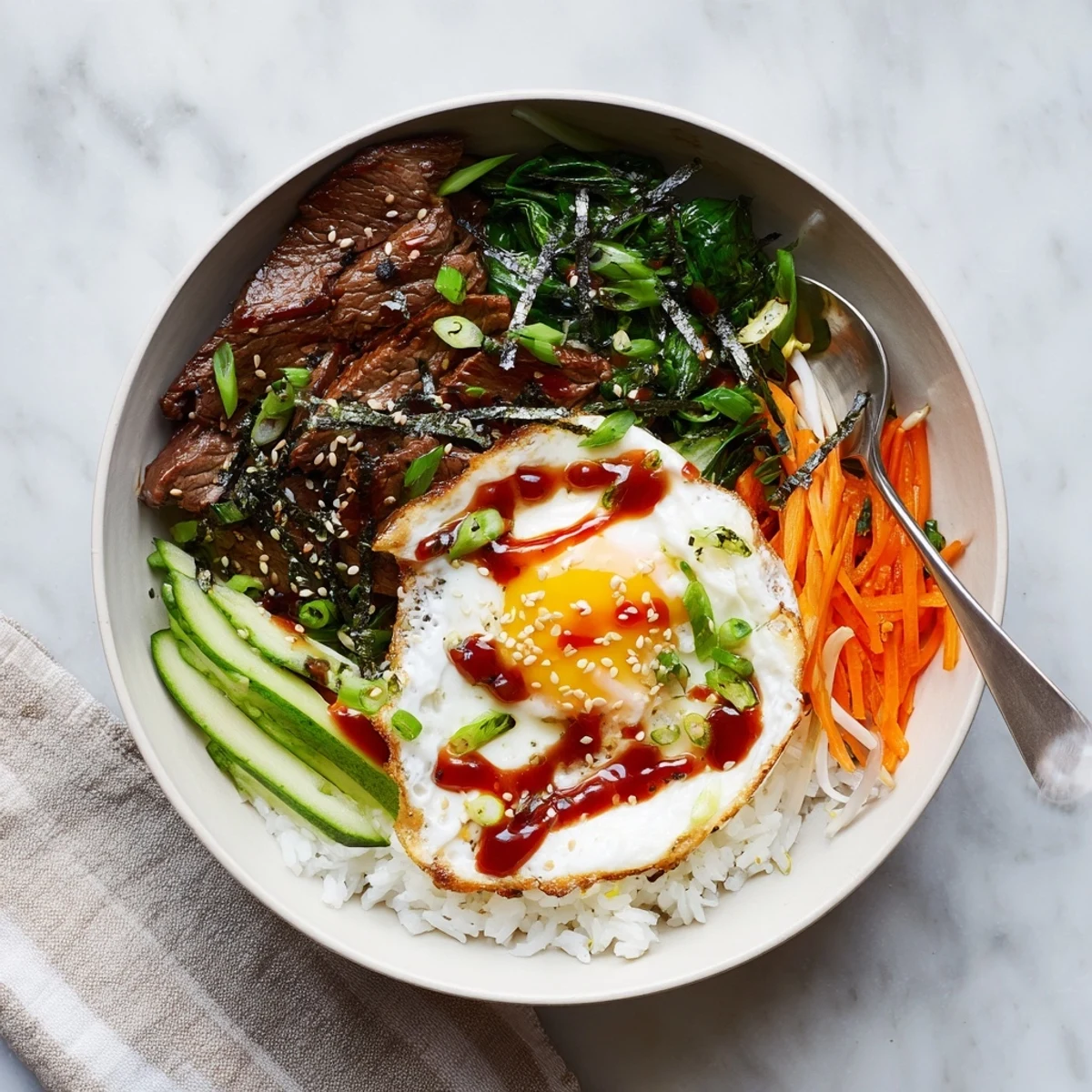
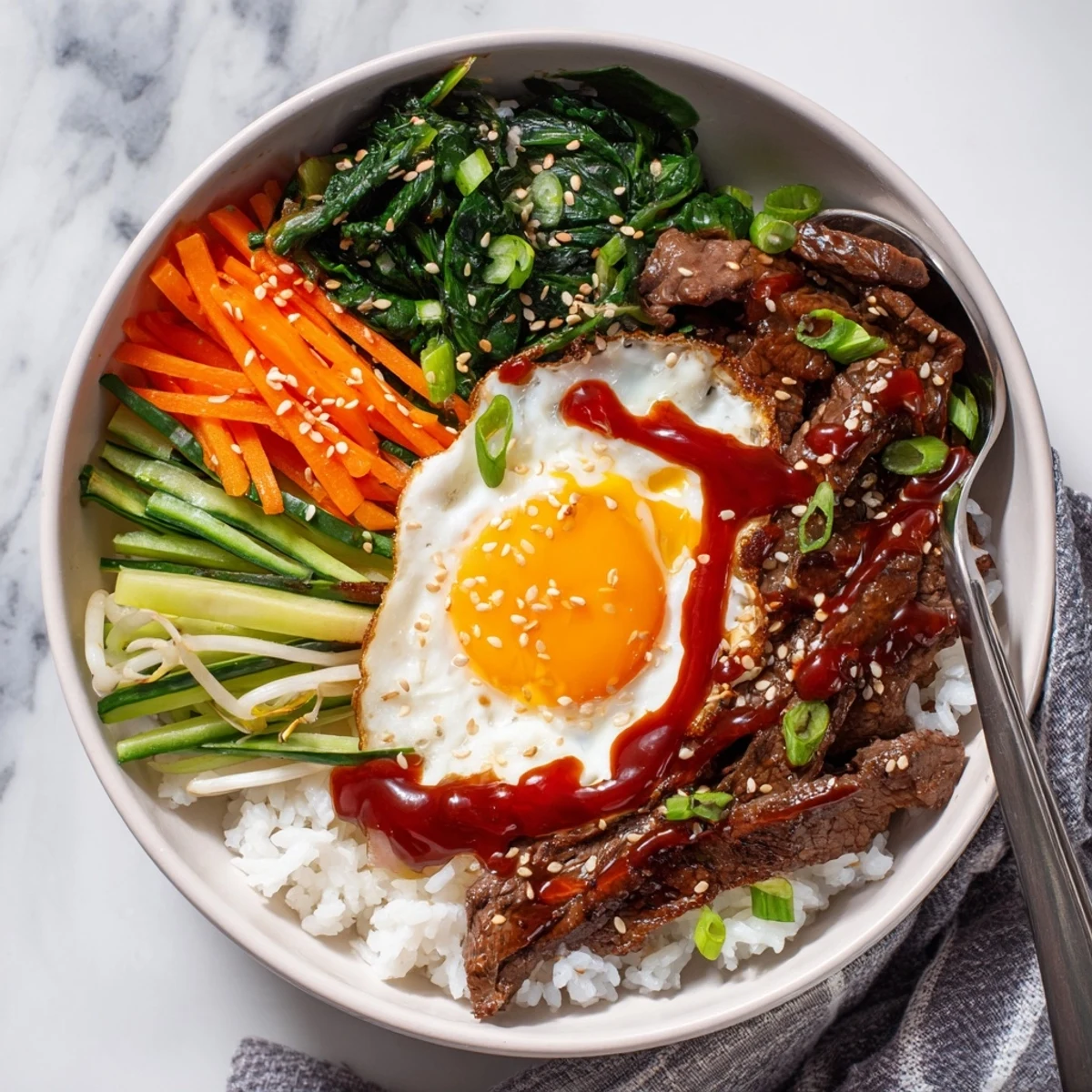
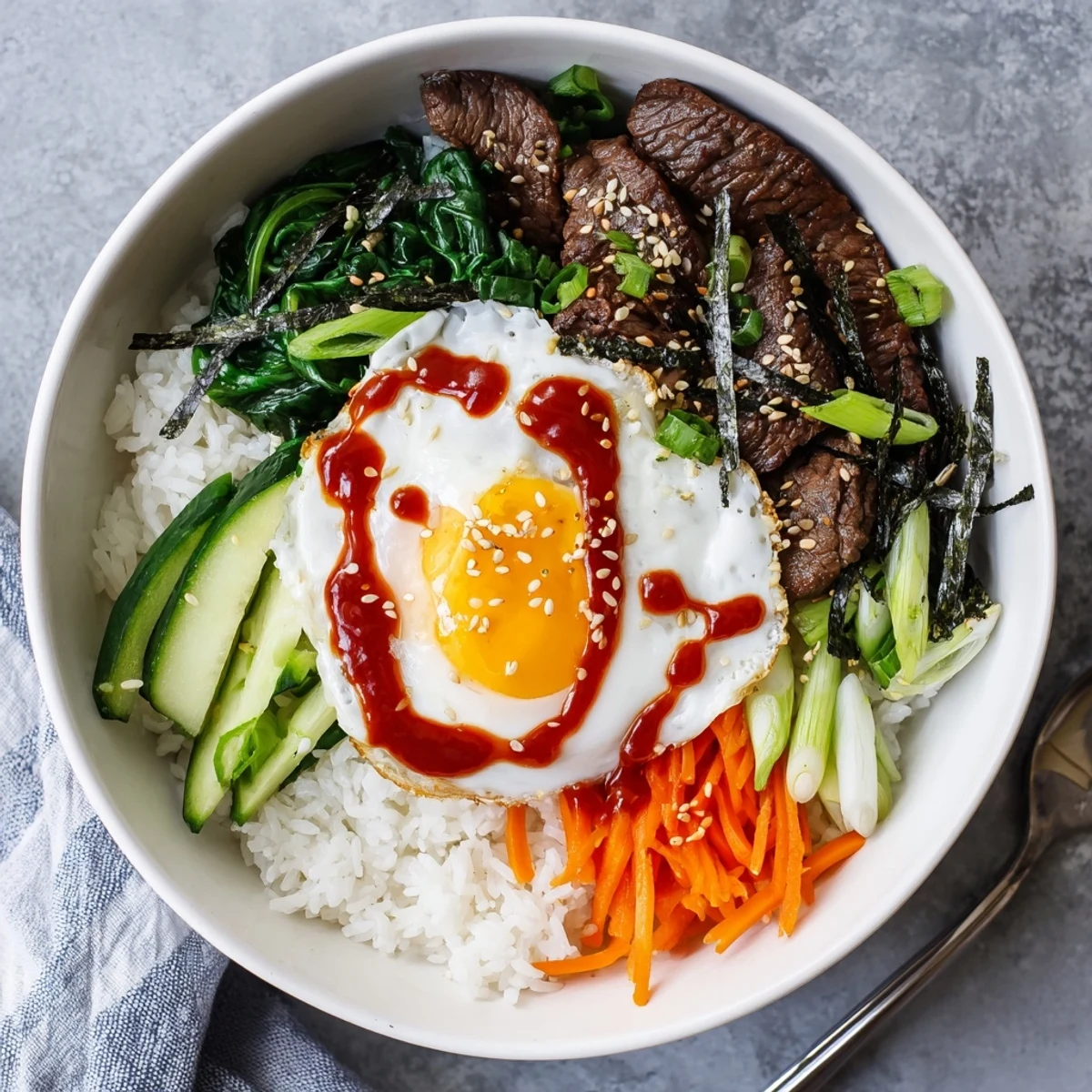
 This hearty morning bowl brings together the bold flavors of Korean cuisine in a satisfying way. Thinly sliced beef gets marinated in soy, sesame, and aromatics before being quickly seared to perfection. The rice base supports a colorful arrangement of sautéed spinach, julienned carrots, crisp cucumber, and blanched bean sprouts, all crowned with a sunny-side-up egg featuring that coveted runny yolk. The crowning touch is a homemade gochujang sauce that balances heat and sweetness, tying every component together. Each spoonful combines textures and tastes that will transform your breakfast routine into something special.
My roommate in college used to make these incredible rice bowls after our morning runs, something she learned from her grandmother in Seoul. The first time she handed me a bowl, I was skeptical about the runny egg mixing with spicy sauce, but one bite completely changed my mind. Now its my go-to when I want breakfast that feels substantial without being heavy.
Last winter, my partner woke up craving something warming but not the usual oatmeal routine. I threw together this bowl with whatever we had in the fridge, and now it's become our Sunday morning tradition. There's something so satisfying about cutting into that egg and watching the yolk spill over everything.
Ingredients
- Beef sirloin or ribeye (200 g, thinly sliced): The marbling in these cuts keeps the beef tender even after quick cooking. I freeze the meat for 20 minutes before slicing—it makes paper-thin cuts so much easier to achieve.
- Soy sauce (1 tbsp): This provides the salty base for our marinade. Use a good quality brand, as cheaper soy sauce can taste overly metallic.
- Sesame oil (1 tsp for marinade + 1 tsp for sauce): Toasted sesame oil is non-negotiable here. The nutty aroma is what makes this taste distinctly Korean.
- Brown sugar (1 tsp): A little sweetness helps balance the savory soy sauce and aids in caramelization when the beef hits the hot pan.
- Garlic (1 clove, minced) and ginger (½ tsp, grated): These aromatics are the backbone of Korean cooking. Fresh ginger makes a huge difference over paste.
- Rice vinegar (1 tsp for marinade + 1 tsp for sauce): Adds brightness and helps tenderize the beef. White vinegar works in a pinch but has a sharper bite.
- Baby spinach (1 cup): Wilts down beautifully and absorbs all the surrounding flavors. Fresh spinach works best—frozen can become waterlogged.
- Carrot (1 small, julienned) and cucumber (½ cup, sliced): These provide essential crunch and color contrast. A vegetable peeler creates perfect thin ribbons if you don't want to julienne by hand.
- Bean sprouts (½ cup): Add a fresh, slightly sweet crunch. Rinse them thoroughly and pat dry before cooking to prevent splattering.
- Green onions (2, sliced): Both white and green parts add mild onion flavor and a pop of color. Slice them just before serving so they stay crisp.
- Short-grain white rice (2 cups, cooked and warm): The sticky texture is crucial—long-grain rice doesn't cling to the sauce the same way. Use freshly cooked rice for the best texture.
- Large eggs (2): Room temperature eggs fry more evenly. Pull them out of the fridge 15 minutes before you start cooking.
- Gochujang (2 tbsp): This Korean chili paste is sweet, spicy, and fermented. It's available at most grocery stores now, but Asian markets have better quality options.
- Honey or sugar (1 tbsp): Honey dissolves more easily into the sauce, but sugar works fine too. Adjust based on your gochujang's sweetness level.
- Toasted sesame seeds (1 tbsp): Toast your own seeds in a dry pan for 2 minutes—they're infinitely more fragrant than pre-toasted ones.
- Nori sheet (optional): Cut into thin strips, these add ocean-like umami and a salty crunch. Look for roasted nori sheets, not the plain ones used for rolling sushi.
Instructions
- Marinate the beef:
- Whisk together soy sauce, sesame oil, brown sugar, minced garlic, grated ginger, and rice vinegar in a bowl. Add the sliced beef and toss until every piece is coated. Let it sit while you prep the vegetables—even 10 minutes makes a difference in flavor penetration.
- Cook the beef:
- Heat a nonstick skillet over medium-high heat until it's hot enough that a drop of water sizzles immediately. Add the beef in a single layer and cook for 2-3 minutes without overcrowding. You want a good sear, so resist the urge to move it around too much. Once browned and cooked through, transfer to a plate.
- Prepare the vegetables:
- In the same pan, toss in the spinach and stir for about 1 minute until just wilted. It should still have some structure, not be completely collapsed. Meanwhile, bring a small pot of water to a boil and blanch the bean sprouts for exactly 1 minute—any longer and they lose their crunch. Drain well.
- Fry the eggs:
- Wipe out your skillet and heat it over medium heat. Crack in the eggs and let them cook undisturbed until the whites are completely set but the yolks are still jiggly when you shake the pan. This takes about 3-4 minutes. No need to flip them—sunny-side up keeps that gorgeous golden yolk intact.
- Make the sauce:
- Whisk together gochujang, honey, water, sesame oil, and rice vinegar until smooth. The consistency should be thick but drizzle-able. If it's too thick, add water ½ teaspoon at a time. Taste and adjust—you might want more honey if your gochujang is particularly spicy.
- Assemble the bowls:
- Divide warm rice between two bowls. Arrange the beef, spinach, carrot, cucumber, bean sprouts, and green onions in sections on top like a pie chart. Place a fried egg right in the center. Drizzle the sauce over everything, then finish with sesame seeds and nori strips. The moment you break that yolk and mix everything together is pure magic.
 Pin It
 This recipe became a hit at my last dinner party when I served it for brunch instead of the usual quiche. Everyone loved customizing their bowls with more or less sauce, and the interactive element of mixing everything together sparked so much conversation. Seeing my friends' faces light up when the yolk broke and created that perfect creamy sauce made all the prep work worth it.
Make It Your Own
The beauty of this bowl is how adaptable it is to whatever you have on hand. I've made it with leftover roasted vegetables in the winter and fresh farmers market finds in summer. Once you understand the balance of warm rice, savory protein, fresh vegetables, and that runny egg, you can swap ingredients while keeping the spirit of the dish intact.
Perfecting The Sauce
I've learned that gochujang brands vary wildly in heat and sweetness, so always taste your sauce before serving. My favorite trick is adding a tiny splash of fish sauce if it needs more depth, though this is completely optional. The sauce should hit all the flavor notes—spicy, sweet, salty, and tangy—in perfect harmony.
Timing Is Everything
The real secret is timing everything so all components are warm when they hit the bowl. I prep all my vegetables and sauce before I start cooking anything. This way, I can move from beef to spinach to eggs without pauses, and nothing sits around getting cold while I finish the next step.
- Set your table before you start cooking so you can serve immediately
- Keep the sauce warm in a small bowl over a pot of hot water if needed
- If cooking for a crowd, fry all the eggs first and keep them in a warm oven while you finish the bowls
 Pin It
 There's something meditative about arranging all those colorful ingredients in neat sections, knowing that in seconds it will become a beautiful mess. That first bite, with all the textures and flavors coming together, is what keeps me coming back to this recipe again and again.
Recipe FAQs
- → Can I prepare the components ahead of time?
-
Yes, you can marinate the beef overnight and cook it in the morning. The vegetables can be prepped and stored separately in the refrigerator. The gochujang sauce keeps well for up to a week in a sealed container, making it easy to whip up this bowl quickly on busy mornings.
- → What other proteins work well in this bowl?
-
Thinly sliced pork, chicken thigh, or even shrimp would work beautifully with the same marinade. For a vegetarian version, try using pressed and pan-fried tofu or portobello mushrooms. The marinade flavors pair well with most proteins and even hearty vegetables.
- → How can I adjust the spice level?
-
The gochujang paste provides moderate heat. Reduce the amount in the sauce for a milder version, or add a pinch of red pepper flakes or sliced fresh chilies to amp up the spice. You can also serve extra gochujang on the side so everyone can customize their own heat level.
- → Is brown rice a good substitute for white rice?
-
Absolutely, brown rice adds nutty flavor and extra fiber while still providing the perfect base for these toppings. Just note that brown rice typically takes longer to cook, so plan accordingly. You could also use quinoa or cauliflower rice for different nutritional profiles.
- → Can I make this without a fried egg?
-
The runny yolk creates a rich sauce when mixed into the rice, but you can certainly skip it or substitute. Try a soft-boiled egg, or top with sliced avocado for creaminess. For protein without eggs, simply increase the beef portion or add edamame beans to the vegetable mix.
- → What vegetables can I use based on seasonality?
-
This bowl is versatile with vegetables. In spring, try asparagus and sugar snap peas. Summer brings zucchini and bell peppers. Fall works well with roasted sweet potato or kabocha squash. Winter calls for sautéed kale, bok choy, or steamed broccoli. The key is maintaining variety in color and texture.