
 Pin It
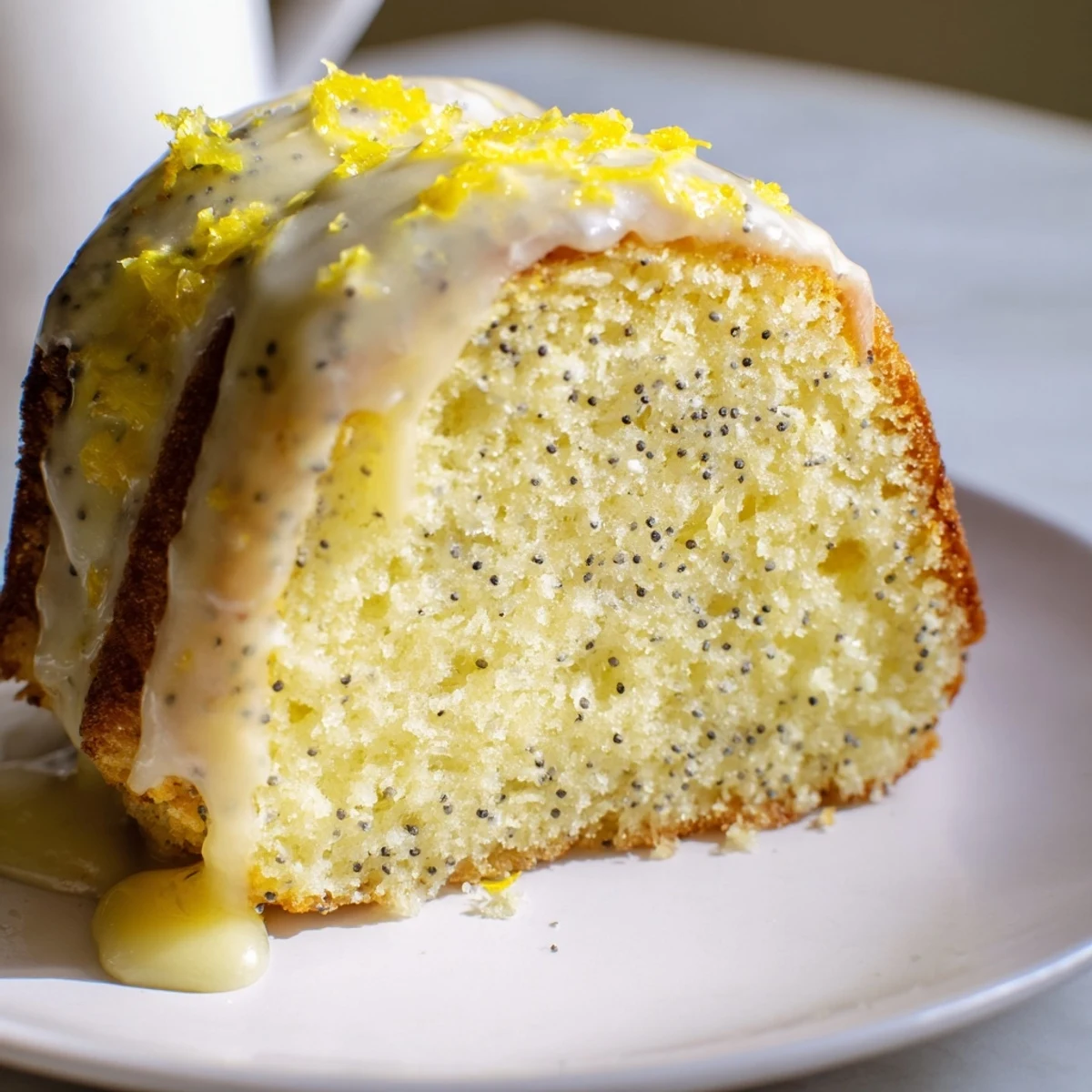
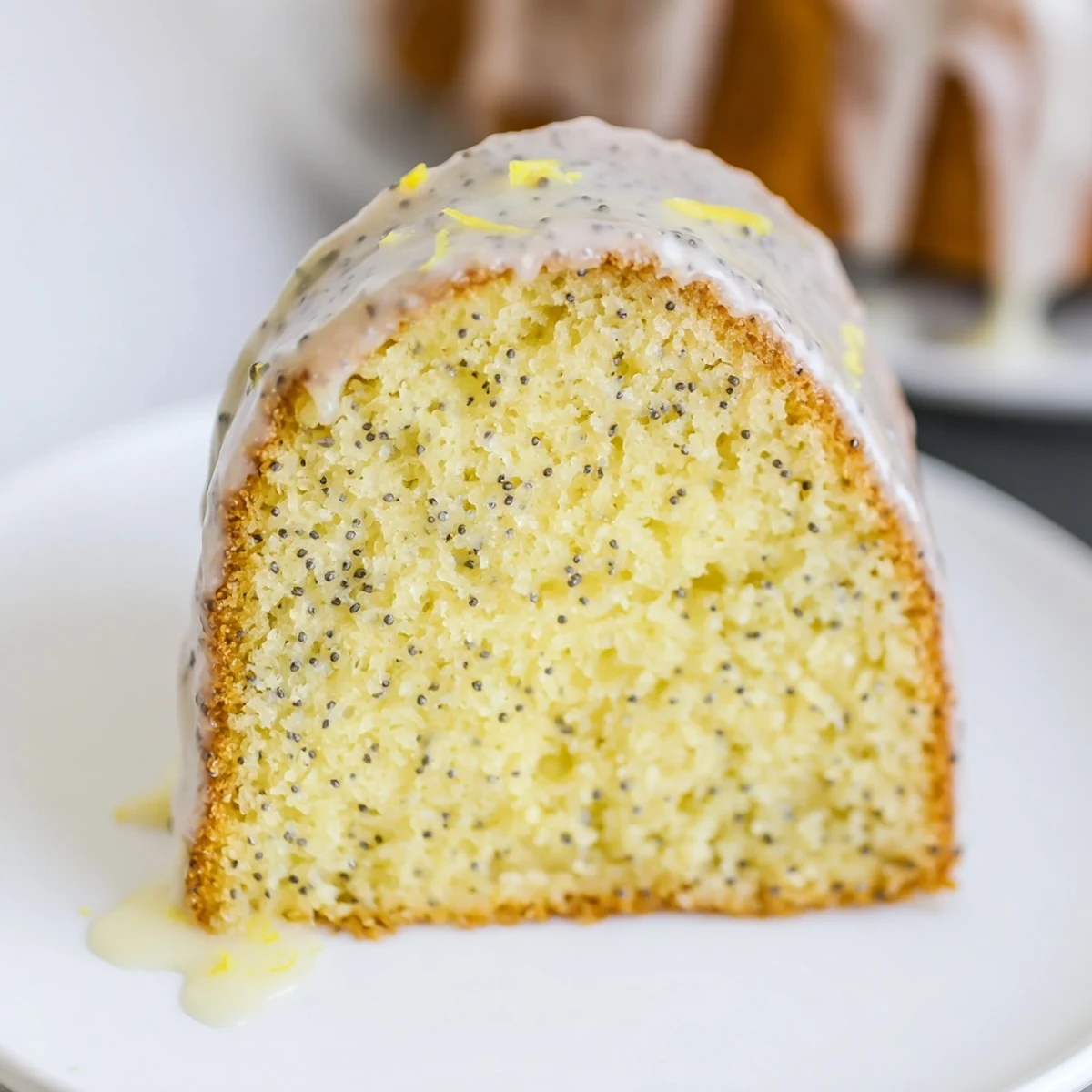
 This Bundt cake delivers a moist, tender crumb enhanced by fresh lemon zest and crunchy poppy seeds. The batter combines all-purpose flour, baking powder, and soda with softened butter, sugar, and eggs, balanced with tangy sour cream. Finished with a smooth lemon glaze, it offers bright citrus notes and pleasing texture, ideal for gatherings or teatime treats. Baking takes about 45 minutes at 350°F, then cooled and drizzled with the zingy glaze, making a refreshing dessert that pairs well with tea or sparkling wine.
The first time I made this lemon poppy seed Bundt cake, my kitchen smelled like a sunny morning caught in butter and sugar. I'd been craving something bright and cheerful during a gray stretch of April, when spring felt like it was never quite going to arrive. The cake came out of the oven with this gorgeous golden crust, and when I poured that tangy glaze over the cooling ridges, it felt like I'd captured the season on a plate. My roommate walked in, took one breath, and immediately asked if we could have it for breakfast instead of dessert.
I brought this cake to a book club meeting last spring, and honestly, it stole the show. We were supposed to be discussing some literary masterpiece, but everyone kept circling back to the cake. Someone asked for the recipe, then another person, and suddenly I was typing it out three times while we debated whether the glaze or the cake itself was the real star. Now it's become my go to whenever I need something that feels special but doesn't require three days of preparation.
Ingredients
- All purpose flour: The backbone of your cake, providing structure while still keeping things tender when paired with the right amount of fat
- Baking powder and baking soda: These work together to give your cake that beautiful rise, so make sure they're fresh and not hiding in the back of your pantry
- Poppy seeds: These little specks add a delightful crunch and subtle nutty flavor that complements the lemon without overwhelming it
- Unsalted butter: Softened to room temperature, this creates that perfect creamed base with sugar for a tender crumb
- Granulated sugar: Sweetens and helps create that lovely golden crust while keeping the cake moist
- Eggs: Room temperature eggs emulsify better into the batter, giving you a more uniform texture
- Fresh lemon juice: Adds that bright acidity that cuts through the richness and wakes up your tastebuds
- Lemon zest: This is where the real lemon flavor lives, so grate it finely and use the fresh stuff
- Vanilla extract: Rounds everything out and adds depth to the citrus notes
- Whole milk: Contributes to the tenderness and helps create that velvety texture we're after
- Sour cream: The secret ingredient for moisture and a slight tang that makes this cake unforgettable
- Powdered sugar: Creates that smooth, pourable glaze that transforms the cake into something worthy of a bakery window
Instructions
- Preheat your oven and prepare the pan:
- Get your oven to 350°F and generously grease your Bundt pan with butter, then dust it with flour, tapping out any excess. Trust me, taking your time with this step will save you from the heartbreak of a stuck cake later.
- Whisk the dry ingredients:
- In a medium bowl, combine the flour, baking powder, baking soda, salt, and poppy seeds. Give it a good whisk so everything's evenly distributed and there are no clumps of baking powder hiding.
- Cream the butter and sugar:
- Beat the softened butter and sugar together for about 3 minutes until it's pale and fluffy. This step is worth the effort, trapping air bubbles that will help your cake rise beautifully.
- Add the eggs:
- Beat in the eggs one at a time, really letting each one incorporate before adding the next. Scrape down the sides of the bowl to catch any pockets of butter that escaped the mixer.
- Mix in the lemon and vanilla:
- Pour in the lemon juice, lemon zest, and vanilla, mixing just until combined. The batter might look slightly curdled at this point, and that's completely normal.
- Combine wet and dry:
- On low speed, alternate adding the flour mixture and milk in three additions, starting and ending with the flour. Mix only until just combined, stopping before you overwork the gluten.
- Fold in the sour cream:
- Gently fold the sour cream into the batter by hand, being careful not to deflate all those air bubbles you worked so hard to create. The batter should be smooth and thick.
- Bake to golden perfection:
- Pour the batter into your prepared pan and smooth the top. Bake for 45 to 55 minutes until a skewer comes out clean, then let it cool in the pan for 15 minutes before inverting onto a wire rack.
- Make the glaze:
- Whisk together the powdered sugar, lemon juice, and lemon zest until smooth and pourable. Drizzle it over the completely cooled cake, letting it cascade down those beautiful ridges.
 Pin It
 Last summer, my neighbor's daughter asked me to teach her how to bake, and this is the recipe we chose. We spent a Sunday afternoon covered in flour, her asking questions about why we cream butter and sugar, me realizing how much of baking I just do by feel. When her family came over for dinner that night and she proudly presented the cake, the look on her face was worth every speck of lemon zest on my counter.
Getting the Perfect Texture
The difference between a good Bundt cake and a great one often comes down to overmixing. Once you add the flour, you want to mix just until the flour streaks disappear, treating the batter like you're folding in air rather than stirring soup. Those tiny pockets of air you created when creaming the butter and sugar are what will give your cake that light, tender crumb that people think only bakeries can achieve.
Make It Your Own
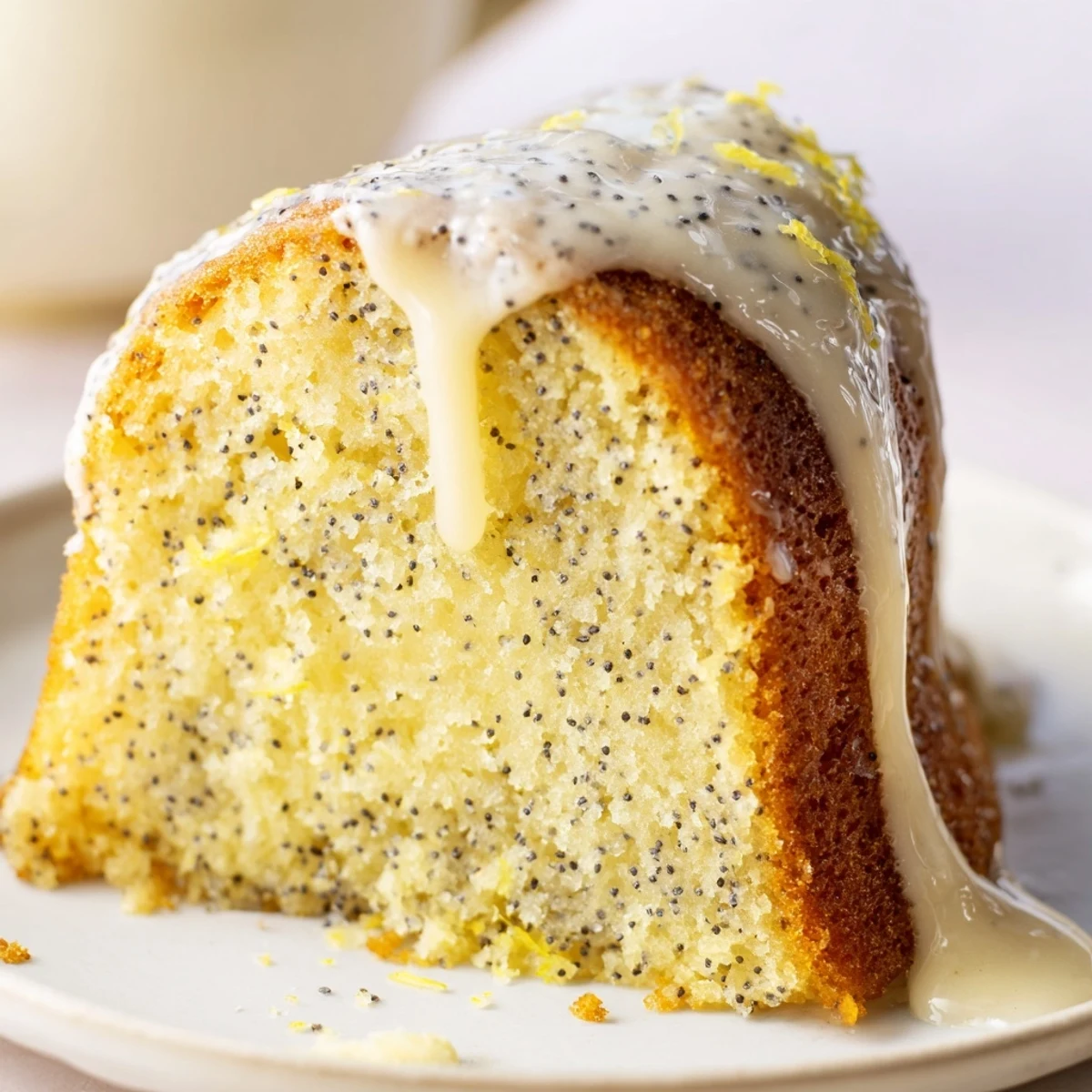
Sometimes I'll add a tablespoon of poppy seeds to the glaze itself, giving it this gorgeous speckled appearance and extra crunch. Or I'll swap half the lemon juice for orange juice in the cake, creating this bright citrus blend that feels like sunshine in dessert form. The recipe is forgiving enough to handle these small experiments while still delivering reliable results every time.
Serving and Storage
This cake actually tastes better on day two, once the flavors have had time to mingle and the crumb has settled. I love serving it alongside a cup of Earl Grey tea, the bergamot notes playing beautifully with the lemon, or sometimes with a glass of prosecco for those brunch occasions that blur into afternoon.
- Wrap the cake tightly in plastic wrap once it's completely glazed and set
- Store at room temperature for up to three days, though it rarely lasts that long in my house
- The glaze will soften over time, so if you're planning ahead, glaze it the day you plan to serve
 Pin It
 There's something deeply satisfying about a Bundt cake, the way it emerges from the pan with those beautiful ridges, ready to become the centerpiece of a gathering. Hope this recipe finds its way into your spring traditions.
Recipe FAQs
- → What makes this Bundt cake moist?
-
The addition of sour cream and softened butter keeps the cake tender and moist while balancing flavors.
- → Can I substitute buttermilk for milk in this cake?
-
Yes, using buttermilk instead of whole milk adds a subtle tang and enhances the cake's tenderness.
- → How do poppy seeds affect the texture?
-
Poppy seeds add a pleasant crunch and slight nuttiness that complements the lemon zest beautifully.
- → What is the best way to apply the lemon glaze?
-
Drizzle the lemon glaze over the cooled Bundt cake for an even, glossy finish that highlights the citrus flavor.
- → How should I store the cake to maintain freshness?
-
Store the cake in an airtight container at room temperature for up to three days to retain moisture and taste.