
 Pin It
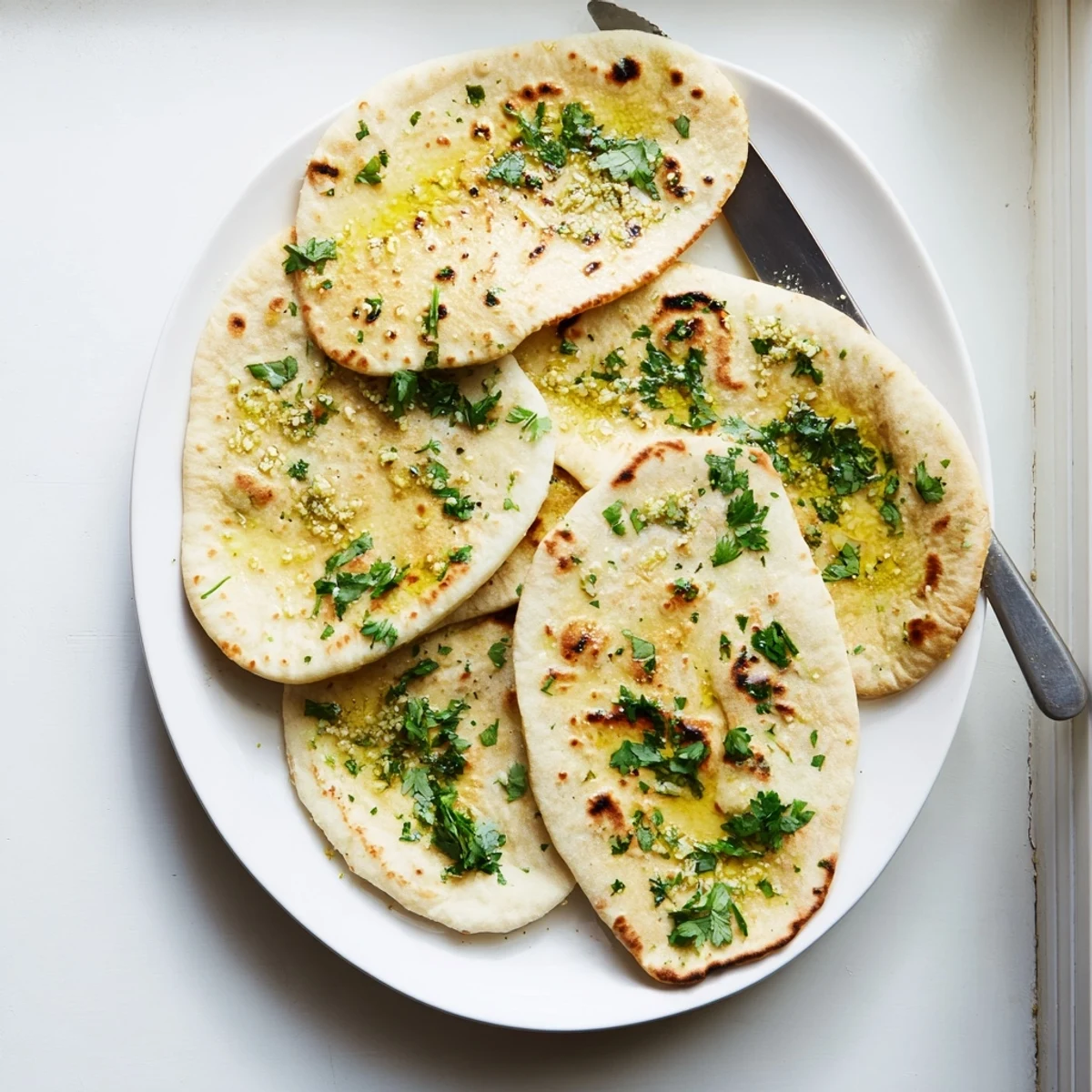
 Create pillowy, tender Indian-inspired flatbread using your unfed sourdough starter. The combination of yogurt and natural fermentation produces incredibly soft results with subtle tangy notes that complement spiced dishes beautifully.
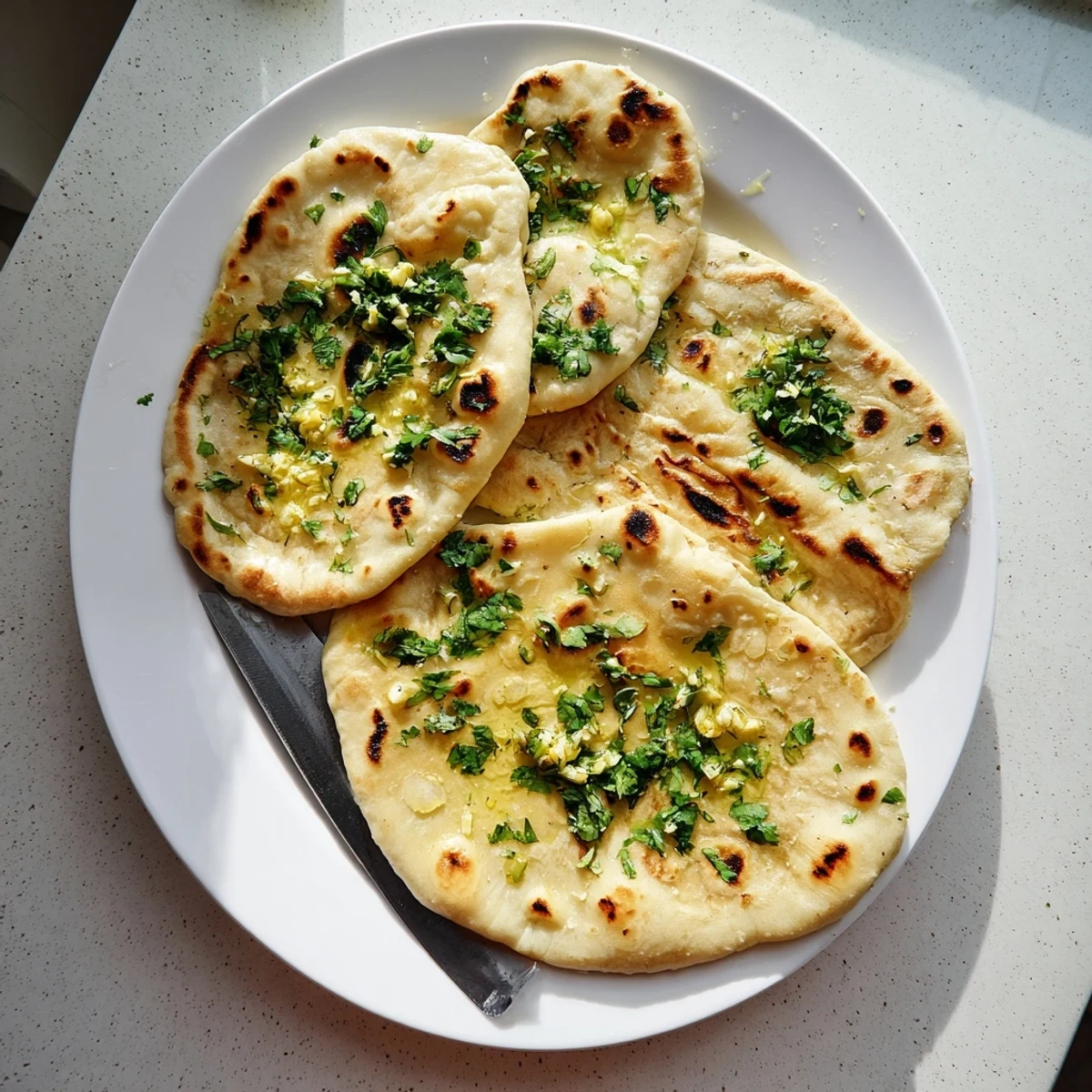
Mix the dough with pantry staples including flour, yogurt, and aromatic seasonings. After a brief rise, shape into traditional ovals and cook quickly in a hot skillet until golden bubbles form. Brush generously with melted butter and finish with fresh cilantro, minced garlic, or nigella seeds for authentic flavor.
This versatile flatbread reheats beautifully and adapts easily to dietary preferences—simply swap dairy ingredients for plant-based alternatives to make vegan version.
My sourdough jar was overflowing with discard again and I was tired of making the same crackers every weekend, so I started eyeballing the yogurt container in my fridge and wondering what would happen if I just went for it.
I made these for my neighbor Rita when she brought over a huge pot of her moms butter chicken, and we stood in my kitchen tearing pieces off the pile and eating them plain before the chicken even made it to plates.
Ingredients
- Sourdough discard (1 cup, unfed, 100% hydration): This is the flavor backbone, so use discard that has been sitting for at least a few days for the best tang.
- All-purpose flour (2 1/4 cups): Plain flour keeps the texture tender, which is exactly what you want for soft naan.
- Plain yogurt (1/2 cup): Full fat yogurt makes the dough supple and adds a gentle richness that mimics traditional naan.
- Melted butter or neutral oil (2 tbsp): Fat in the dough keeps it pliable and prevents it from drying out during cooking.
- Sugar (2 tsp): A small amount helps browning and balances the sourness from the discard.
- Salt (1 tsp): Essential for bringing all the flavors forward.
- Baking powder (1/2 tsp) and baking soda (1/4 tsp): Together they give the naan those characteristic pillowy bubbles when it hits the hot pan.
- Warm water (2 to 4 tbsp): Only as needed to bring the dough together, since discard hydration varies wildly.
- Melted butter for brushing (2 tbsp): This is nonnegotiable for that glossy, restaurant quality finish.
- Optional toppings (cilantro, garlic, nigella seeds): Pick one or pile them all on, but do not skip them entirely because they make it special.
Instructions
- Build the wet base:
- In a large bowl, stir together the sourdough discard, yogurt, sugar, melted butter, salt, baking powder, and baking soda until you have a smooth, creamy mixture that smells faintly tangy and rich.
- Bring in the flour:
- Add the flour gradually, stirring with a spoon or your hand until a shaggy, uneven dough forms and starts pulling away from the sides of the bowl.
- Adjust the hydration:
- Sprinkle in warm water one tablespoon at a time, kneading gently after each addition, until the dough feels soft and just slightly tacky but no longer sticks to your fingers.
- Knead until smooth:
- Turn the dough onto a lightly floured counter and knead with the heel of your hand for two to three minutes until it transforms from lumpy to silky under your palms.
- Let it rest and rise:
- Place the dough in a greased bowl, drape a damp towel over it, and tuck it somewhere warm for one to two hours until it puffs up noticeably, though it may not fully double.
- Shape into portions:
- Divide the dough into eight even pieces, rolling each one into a smooth ball between your palms and setting them on a lightly floured surface.
- Roll them out:
- Using a rolling pin, flatten each ball into an oval or teardrop shape about a quarter inch thick, dusting with flour as needed to prevent sticking.
- Get the pan screaming hot:
- Set a cast iron skillet over medium high heat and let it sit until a drop of water sizzles and dances across the surface instantly.
- Cook the naan:
- Lay one rolled naan in the pan and watch for bubbles to rise across the surface while the bottom turns golden, about one to two minutes, then flip and cook another thirty to sixty seconds.
- Brush and garnish:
- Immediately brush the hot naan with melted butter and sprinkle with garlic, cilantro, or nigella seeds while the surface is still tacky enough to hold them.
- Repeat and serve:
- Continue cooking the remaining dough balls, stacking the finished naans on a plate and keeping them wrapped in a clean towel to stay warm and soft.
 Pin It
 There is something deeply satisfying about pulling a blistered, buttery piece of bread off a smoking cast iron pan when the rest of dinner is still simmering on the back burner.
Making It Your Own
I have folded shredded paneer into the dough, pressed sesame seeds into the tops before cooking, and once even rolled in a thin layer of mint chutney, and every version turned out worth repeating.
Storing and Reheating
Leftover naan keeps in an airtight bag at room temperature for about two days, and reheating it in a dry hot skillet for twenty seconds per side brings back the softness better than a microwave ever will.
Serving Suggestions
This bread was built for mopping, scooping, and tearing, so pair it with anything saucy and you will not be disappointed.
- Wrap warm naan around tandoori chicken or grilled paneer for an impromptu sandwich.
- Tear pieces into a bowl of dal and let the broth soak in before each bite.
- Serve alongside any curry, stew, or even a simple fried egg for a meal that feels complete.
 Pin It
 Keep a stack of these warm on your table and watch how quickly they vanish, because nothing disappears faster than fresh bread with melted butter on top.
Recipe FAQs
- → What makes this naan pillowy and tender?
-
The combination of sourdough discard, yogurt, and chemical leavening creates incredible softness. The discard adds both moisture and natural fermentation benefits, while yogurt contributes tenderness and subtle tang. Baking powder and soda provide extra lift during cooking.
- → Can I use active sourdough starter instead of discard?
-
Yes, active starter works perfectly. Your dough may rise slightly faster and develop a more pronounced sour flavor. Reduce the water slightly if your starter is thinner than 100% hydration consistency.
- → How do I achieve the characteristic bubble spots on naan?
-
Cook over medium-high heat in a thoroughly preheated skillet. The intense heat creates steam rapidly, forming bubbles. Don't press down on the dough while cooking—let it puff naturally. Flip only once bubbles appear and the bottom is golden.
- → Can I freeze the dough or cooked naan?
-
Freeze cooked naan by cooling completely, wrapping individually in plastic, and storing in freezer bags for up to 3 months. Reheat directly from frozen in a hot skillet. For dough, freeze shaped balls on a parchment-lined sheet, then transfer to bags. Thaw overnight before rolling and cooking.
- → What's the best way to reheat leftover naan?
-
Reheat in a hot skillet for 30-60 seconds per side until warmed through and slightly crisped. Alternatively, wrap in foil and warm in a 350°F oven for 5-7 minutes. Avoid microwaving as it makes the texture tough and chewy.
- → Can I bake naan instead of cooking on the stovetop?
-
Yes, though the texture differs slightly. Bake at 450°F on a preheated baking stone or baking sheet for 4-5 minutes until puffed and lightly golden. Brush with butter immediately after removing from the oven for best results.