
 Pin It
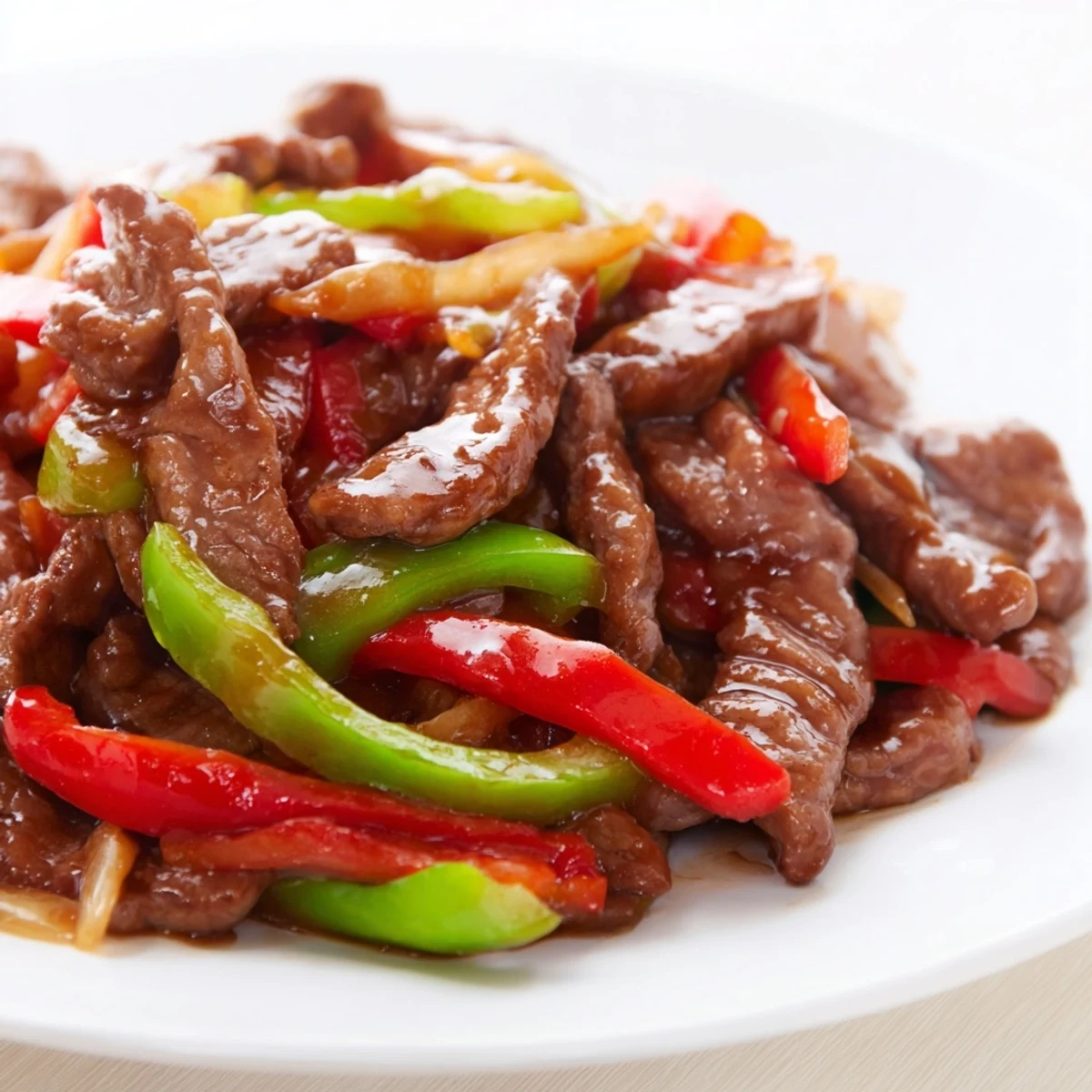
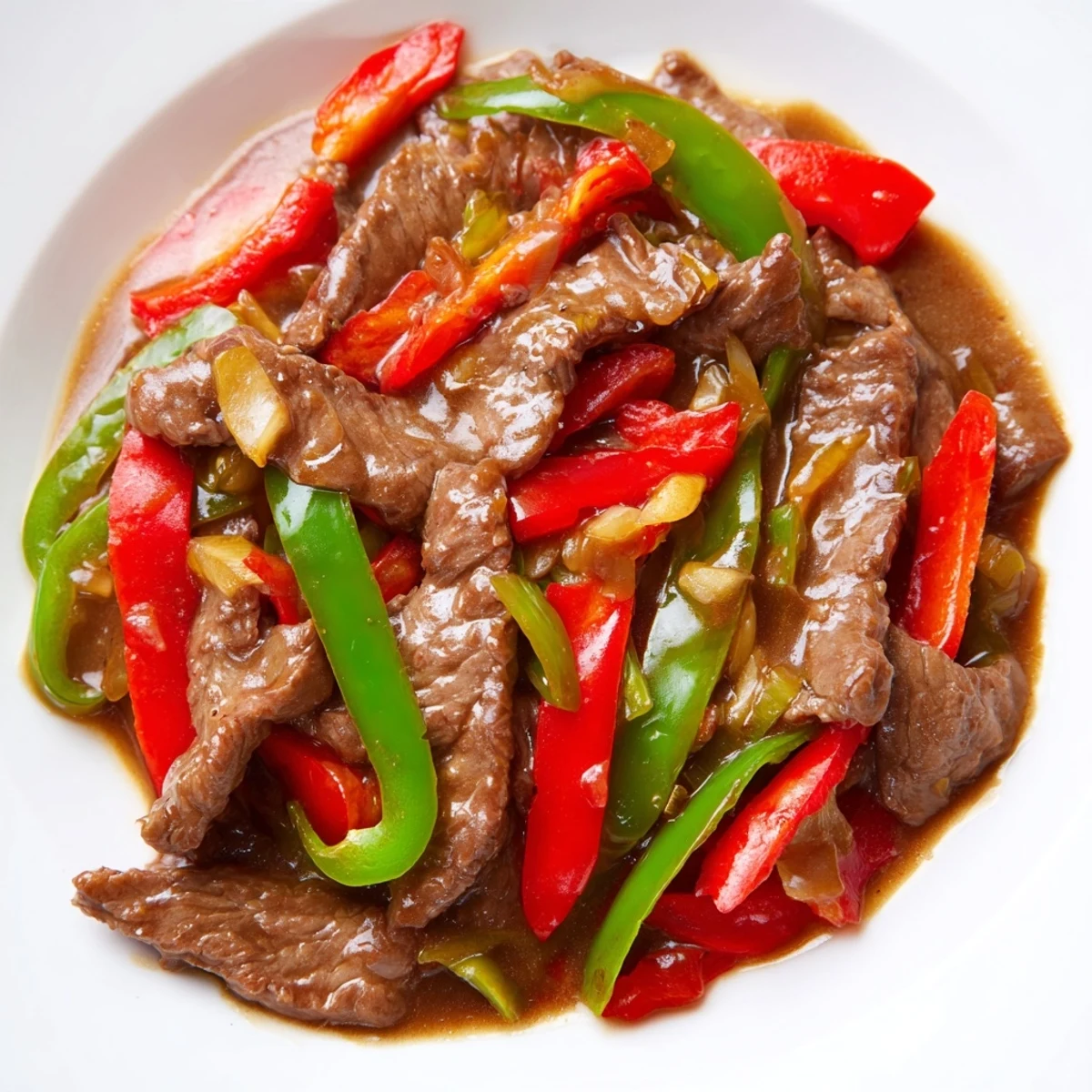
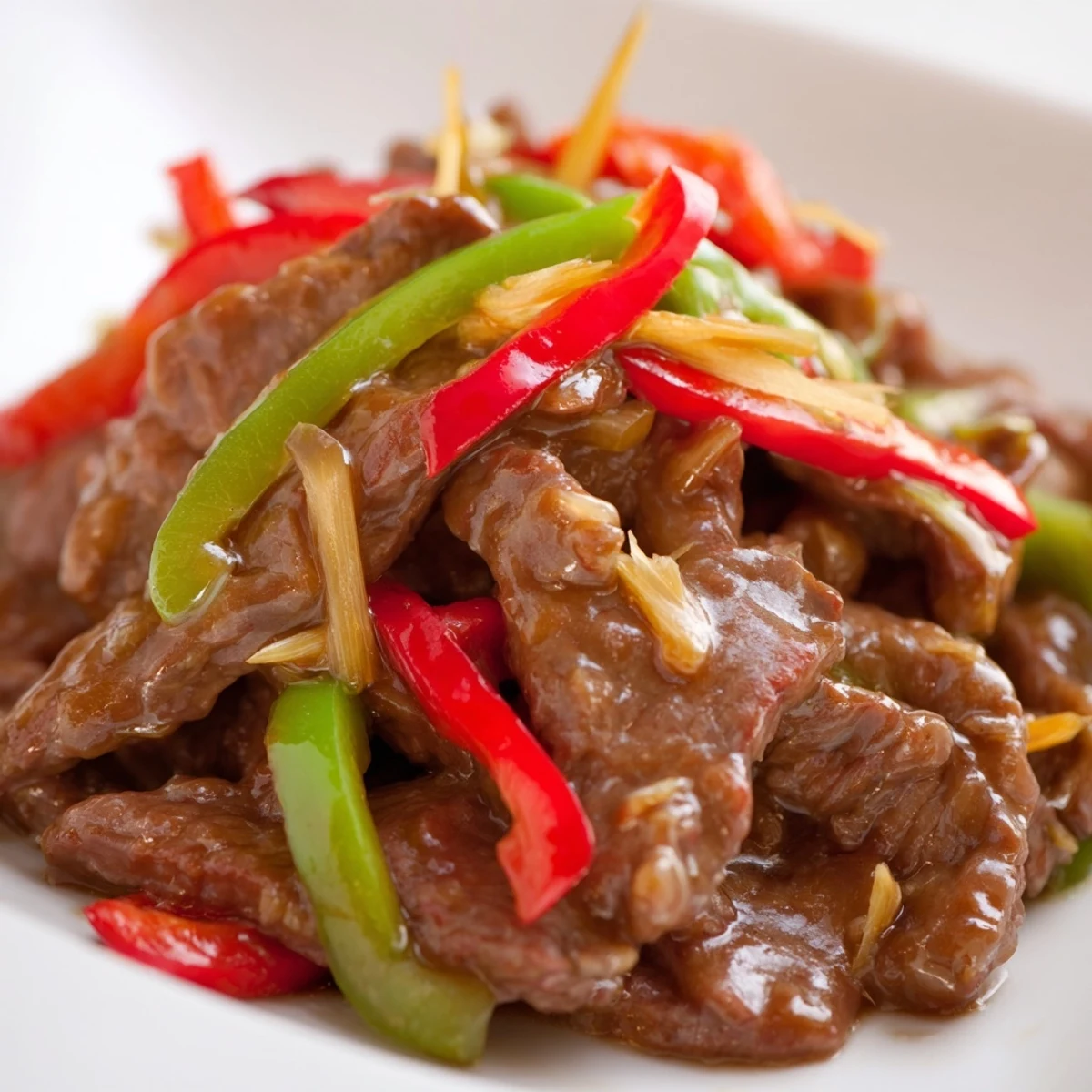
 This dish features thinly sliced beef marinated in savory soy and oyster sauces tossed with vibrant bell peppers, onions, garlic, and fresh ginger. The stir-fry comes together quickly over high heat, coated in a spicy, tangy sauce enriched with chili garlic and hoisin. Garnished with spring onions, it offers a bold, satisfying flavor that pairs perfectly with steamed rice or noodles, ideal for a speedy, flavorful dinner.
There's something about the sound of a hot wok that makes everything feel possible in the kitchen. I discovered this beef stir fry on a weeknight when I had exactly twenty minutes and three hungry people at my table, so I threw together whatever looked good and never looked back. The sauce came together almost accidentally—a little soy, a little heat, and suddenly the whole dish had this magnetic pull. Now it's the recipe I reach for when I want to feel like I know what I'm doing.
I made this for my sister one random Tuesday, and she asked for the recipe before she'd finished eating—which, in our family, is basically a standing ovation. She's someone who never cooks, but the way the sauce coats everything just made it seem doable. Now she texts me pictures of her versions with different vegetables, and somehow that made me prouder than any compliment ever could.
Ingredients
- Flank steak or sirloin, thinly sliced against the grain: Slicing against the grain breaks down the muscle fibers and makes even cheaper cuts feel tender; if you slice with the grain, you'll chew forever.
- Soy sauce: The backbone of the whole thing—use real soy sauce, not the stuff that tastes like salt and disappointment.
- Oyster sauce: It adds depth and a gentle sweetness that balances the heat without making it taste like dessert.
- Rice vinegar: The quiet ingredient that keeps everything bright and prevents the sauce from feeling heavy.
- Sesame oil: Just a teaspoon, but it's what makes people pause and ask what you did differently.
- Red and green bell peppers: They need to stay crisp, so don't baby them—high heat is your friend here.
- Fresh ginger, julienned: Ginger cooked this way stays spicy and alive instead of turning mushy and one-dimensional.
- Garlic and spring onions: Garlic goes in early to flavor the oil, spring onions go in at the end so they taste green and fresh.
- Chili garlic sauce: This is where you control the heat—start with two teaspoons and taste as you go.
- Brown sugar: Not to make it sweet, but to round out the edges and make the spice feel rounded instead of sharp.
Instructions
- Coat the beef with flavor:
- Mix the sliced beef with soy sauce, oyster sauce, rice vinegar, cornstarch, and sesame oil in a bowl, making sure every piece gets touched by the marinade. Let it sit for ten minutes while you prep everything else—this time isn't wasted, it's when the beef gets tender.
- Build your sauce:
- Whisk together the soy sauce, oyster sauce, hoisin, chili garlic sauce, brown sugar, and water in a small bowl. Taste it straight from a spoon—it should make your mouth water and your eyes water a little bit.
- Sear the beef until it just remembers the pan:
- Heat a tablespoon of oil in your wok or skillet over high heat until it shimmers and almost smokes, then spread the beef out in a single layer. Don't stir it for the first minute—let it develop color and character. After about two minutes, when it's browned on one side, pull it out and set it on a plate.
- Wake up the vegetables:
- Add the remaining tablespoon of oil to the same pan, then throw in the onion, peppers, garlic, and ginger all at once. The sizzle should be loud and aggressive—that means the heat is right. Stir-fry for two to three minutes until the vegetables are tender but still talk back when you bite them.
- Bring it all back together:
- Return the beef to the pan, pour in your sauce, and toss everything together like you mean it. Cook for another minute or two, just long enough for the sauce to thicken slightly and coat every piece. The whole thing should smell spicy and complex and nothing like anything from a bottle.
- Finish and serve:
- Scatter the spring onions on top so they stay bright and fresh, then serve it hot over rice or noodles. This is food that doesn't wait—eat it while it's still steaming.
 Pin It
 My neighbor came over one evening and caught the smell of this cooking from his yard, and he genuinely couldn't believe I'd made it at home—he thought I must have ordered takeout and was hiding it. That moment made me realize that restaurant food doesn't have to feel like magic, just intention and heat and the right amount of spice.
The Heat Question
Spicy is personal, and two teaspoons of chili garlic sauce might be nothing to you or everything to your grandmother, so taste the sauce before you commit. If you want it hotter, you can add sliced fresh chilies in with the vegetables so they soften and distribute their heat throughout, or just increase the chili garlic sauce by half a teaspoon at a time. I've found that the brown sugar actually makes the heat feel rounder and less sharp, so don't skip it thinking it'll water down the spice.
Why This Works for Weeknights
Everything happens in one pan, which means one thing to wash, and the whole process is done in thirty minutes from deciding to cook to eating. The prep work is the longest part—there's no waiting for anything to braise or proof or become something other than what it is. This is cooking for people who want to actually eat dinner, not spend all evening earning it.
Adaptations That Actually Work
I've made this with chicken thighs, and it's just as good because the thighs have enough fat to stay moist through the high heat. Tofu works if you press it first and give it extra time in the pan to brown—I'd use extra-firm and maybe add another minute to the sear. The vegetables are more forgiving than you'd think; whatever's in your crisper drawer is probably better than whatever you planned, and you can swap the peppers for broccoli or snap peas or carrots without changing the soul of the dish.
- For a lighter version, use half the oil and the beef will still brown because the pan is hot enough.
- Jasmine rice soaks up the sauce better than basmati, but basmati tastes cleaner and brighter if that's what you prefer.
- Leftover stir fry reheats beautifully, but add a splash of water so the sauce stays glossy instead of drying out.
 Pin It
 This stir fry taught me that good food doesn't need to be complicated, just confident. Make this for people you like, and you'll probably make it again.
Recipe FAQs
- → What cut of beef works best for this dish?
-
Flank steak or sirloin sliced thinly against the grain ensures tender, quick cooking strips perfect for stir-frying.
- → How do I adjust the spiciness level?
-
Modify the amount of chili garlic sauce or add fresh sliced chilies to increase the heat as desired.
- → Can I substitute the beef with another protein?
-
Chicken or tofu are great alternatives; adjust cooking time accordingly to ensure proper doneness.
- → What side dishes pair well with this stir-fry?
-
Steamed jasmine or basmati rice, or noodles complement the bold flavors and absorb the savory sauce nicely.
- → How should I prepare the vegetables for best texture?
-
Slice bell peppers and onions evenly and stir-fry briefly to keep them crisp-tender for a balanced bite.