
 Pin It
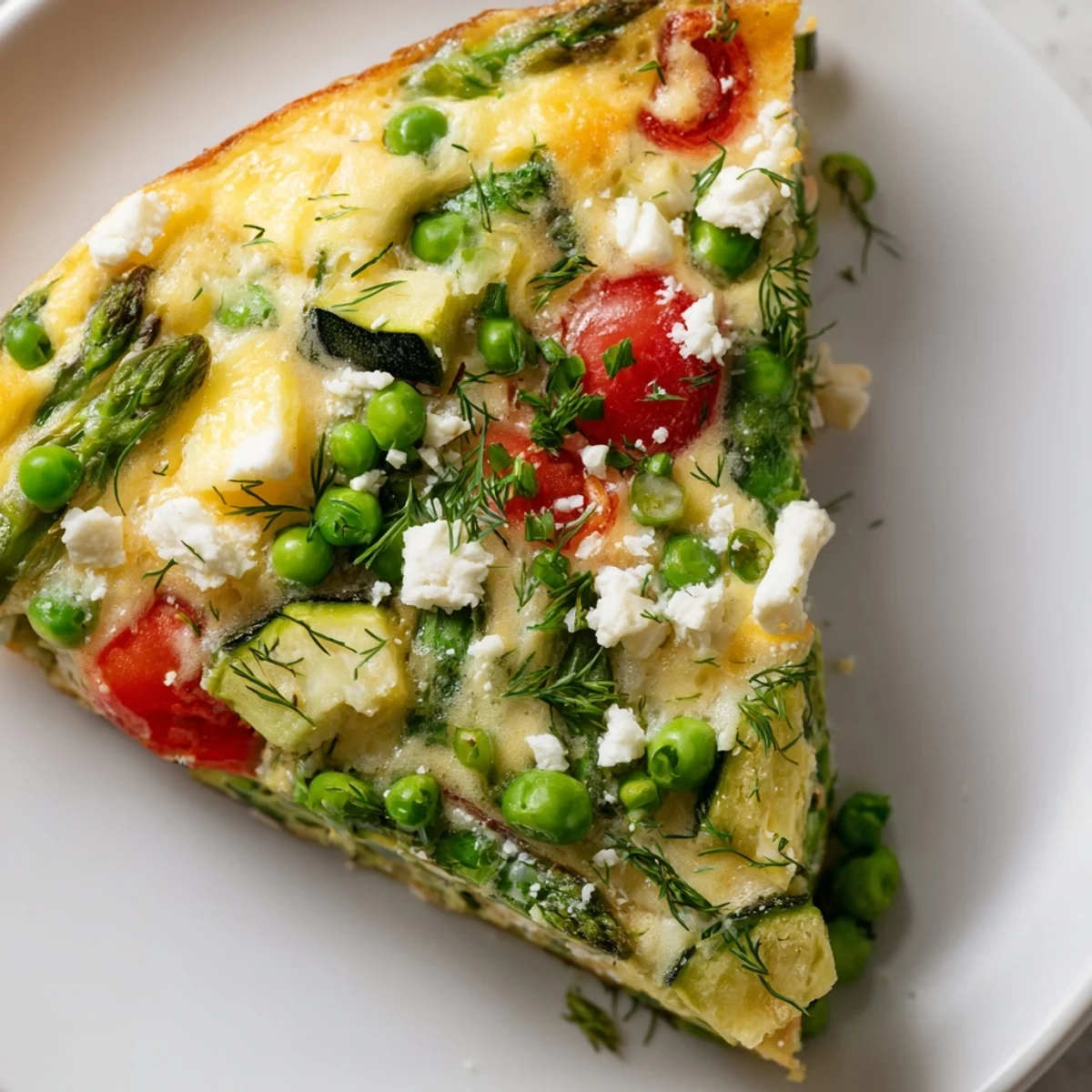
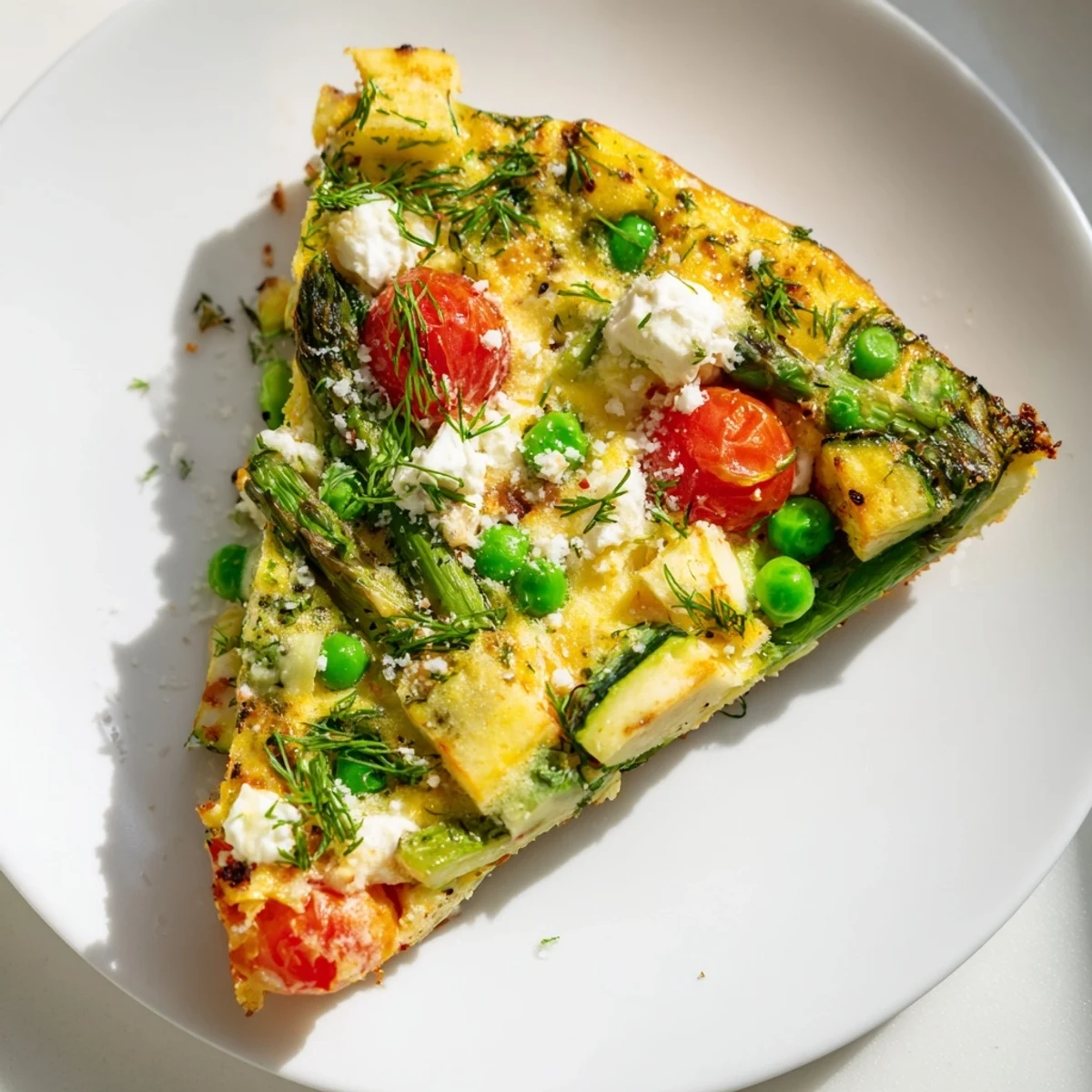
 This spring frittata highlights tender asparagus, zucchini, peas, spinach, and cherry tomatoes, all brightened by fresh chives, parsley, and dill. Eggs blended with feta and Parmesan create a creamy, savory base. The skillet-cooked vegetables meld flavors before baking until lightly golden and just set. Ideal for a light, vibrant meal any time of day.
The first time I made this frittata, it was supposed to be a quick Saturday breakfast but ended up being lunch because I got distracted admiring how gorgeous the vegetables looked piled in the skillet. Something about those bright green asparagus spears and ruby cherry tomatoes makes even the most exhausted morning feel like spring has arrived fresh and promising.
Last spring my neighbor brought over a basket of vegetables from her garden, and we spent the whole afternoon drinking coffee and experimenting with frittata combinations while her kids played in the yard. This version emerged as the clear winner, probably because we kept adding more herbs than any reasonable recipe would suggest.
Ingredients
- 1 cup asparagus, trimmed and cut into 1-inch pieces: Choose spears that feel firm and snap cleanly when bent, avoiding woody stems that never quite tenderize
- 1 cup baby spinach, roughly chopped: Fresh spinach wilts beautifully into the eggs, adding moisture without making the frittata soggy
- 1/2 cup green peas: Fresh peas are worth seeking out at farmers markets, but thawed frozen ones work perfectly fine
- 1 small zucchini, diced: Smaller zucchinis tend to have fewer seeds and more delicate flavor, perfect for spring cooking
- 1/2 cup cherry tomatoes, halved: These burst gently in the oven creating little pockets of sweetness throughout
- 1 small shallot, finely chopped: Shallots provide a mild sweetness that regular onions sometimes lack
- 8 large eggs: Room temperature eggs incorporate more evenly and produce a fluffier final texture
- 1/4 cup whole milk: The milk creates tenderness, though heavy cream works if you want something richer
- 1/2 cup feta cheese, crumbled: Salty and tangy, feta cuts through the richness of the eggs beautifully
- 1/4 cup grated Parmesan cheese: Adds a nutty depth that complements the fresh vegetables
- 2 tbsp unsalted butter: Butter adds flavor but you can use olive oil if you prefer
- 2 tbsp fresh chives, finely chopped: Their mild onion flavor bridges the gap between vegetables and herbs
- 2 tbsp fresh parsley, chopped: Flat-leaf parsley has more flavor than curly varieties and looks lovely scattered on top
- 1 tbsp fresh dill, chopped: Dill pairs surprisingly well with eggs and spring vegetables, adding brightness
- Salt and freshly ground black pepper, to taste: Remember the feta is already salty, so taste before adding much additional salt
Instructions
- Preheat your oven to 375°F (190°C):
- This temperature ensures the eggs set properly without becoming rubbery or dry
- Melt butter in an oven-safe skillet over medium heat:
- Sauté the shallot for about 2 minutes until it softens and becomes fragrant, taking care not to brown it
- Add asparagus, zucchini, and peas:
- Cook for 3 to 4 minutes until just tender, then stir in spinach and cherry tomatoes for 1 minute until the spinach wilts
- Whisk eggs with milk, half the feta, Parmesan, herbs, salt, and pepper:
- Beat until thoroughly combined but not frothy, which can incorporate too much air
- Pour the egg mixture over the vegetables:
- Gently stir to distribute everything evenly, then sprinkle with the remaining feta on top
- Cook on the stovetop over medium-low heat:
- Let it cook for 3 to 4 minutes until the edges begin to set and pull away slightly from the pan
- Transfer the skillet to the oven:
- Bake for 10 to 12 minutes until the center is just set and the top is lightly golden
- Let it cool for a few minutes before slicing:
- This brief rest makes the frittata easier to cut and helps it hold its shape when served
 Pin It
 My mother-in-law asked for the recipe after eating this at our house, and I felt secretly proud because she is the kind of cook who makes everything look effortless. Now it is her go-to for Easter brunch, and every time she serves it, I get a text message with a photo of her slice.
Choosing Your Vegetables
The beauty of this frittata is that it adapts to whatever looks fresh at the market or what needs to be used up from your refrigerator. I have made it with snap peas when I could not find asparagus, and once with radish greens when they came in my CSA box and I had no idea what to do with them. The key is using vegetables that cook quickly and maintain some texture, avoiding anything that would become mushy or watery.
The Herb Combination
While the trio of chives, parsley, and dill feels harmonious, do not be afraid to adjust based on what you have or what you love. Sometimes I use tarragon instead of dill when I want something more anise-forward, or add basil in the dead of summer when it is growing wild in my garden. The herbs are what make this frittata taste like a specific moment in time rather than just breakfast.
Serving Suggestions
This frittata works for any meal of the day, which is why I always make it when I have house guests and want something that feels special but does not require standing at the stove while everyone is hungry. It is equally good at room temperature, making it excellent for picnics or packed lunches.
- Consider serving it with a simple green salad dressed with lemon vinaigrette
- Crusty bread for soaking up any runny bits is never a bad idea
- A light white wine like Sauvignon Blanc or Pinot Grigio complements the fresh vegetables beautifully
 Pin It
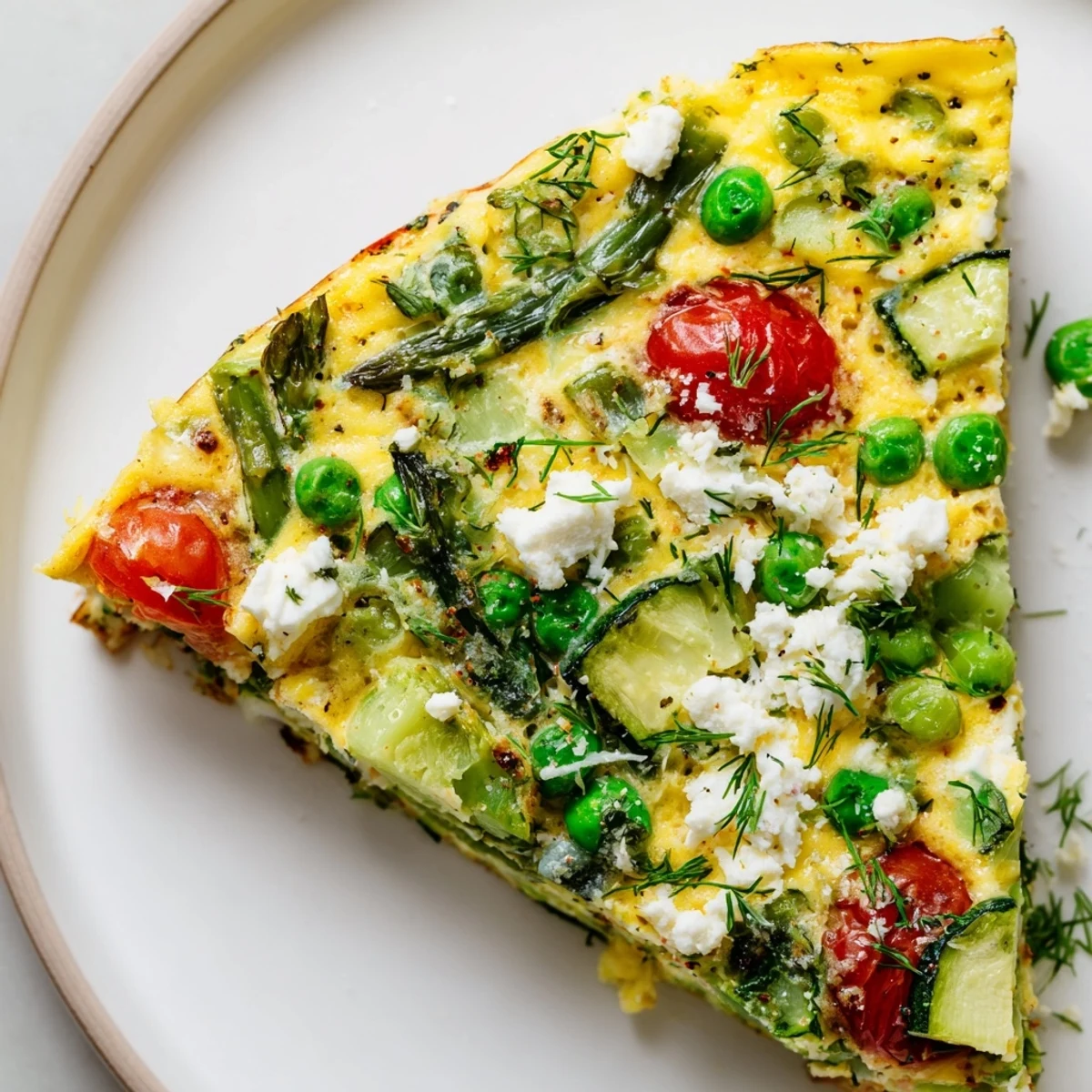
 There is something profoundly satisfying about cutting into a frittata and seeing that perfect cross-section of vegetables suspended in golden eggs, like a culinary time capsule of the season.
Recipe FAQs
- → What vegetables work best in this dish?
-
Asparagus, zucchini, peas, spinach, and cherry tomatoes provide tender textures and fresh flavors ideal for this dish.
- → Can I substitute the cheeses used?
-
Yes, goat cheese or ricotta can replace feta for a different creamy taste.
- → How should the vegetables be cooked before baking?
-
Vegetables are sautéed briefly to soften but retain their texture before pouring in the egg mixture.
- → What type of pan is required?
-
An oven-safe skillet, ideally 10-12 inches, is needed for both stovetop cooking and baking.
- → How can I ensure the frittata cooks evenly?
-
Cooking on medium-low heat until edges set before transferring to the oven helps achieve an even cook and golden top.
- → Is this suitable for special diets?
-
Yes, this dish is vegetarian and gluten-free; just verify cheese or other ingredients if needed.