
 Pin It
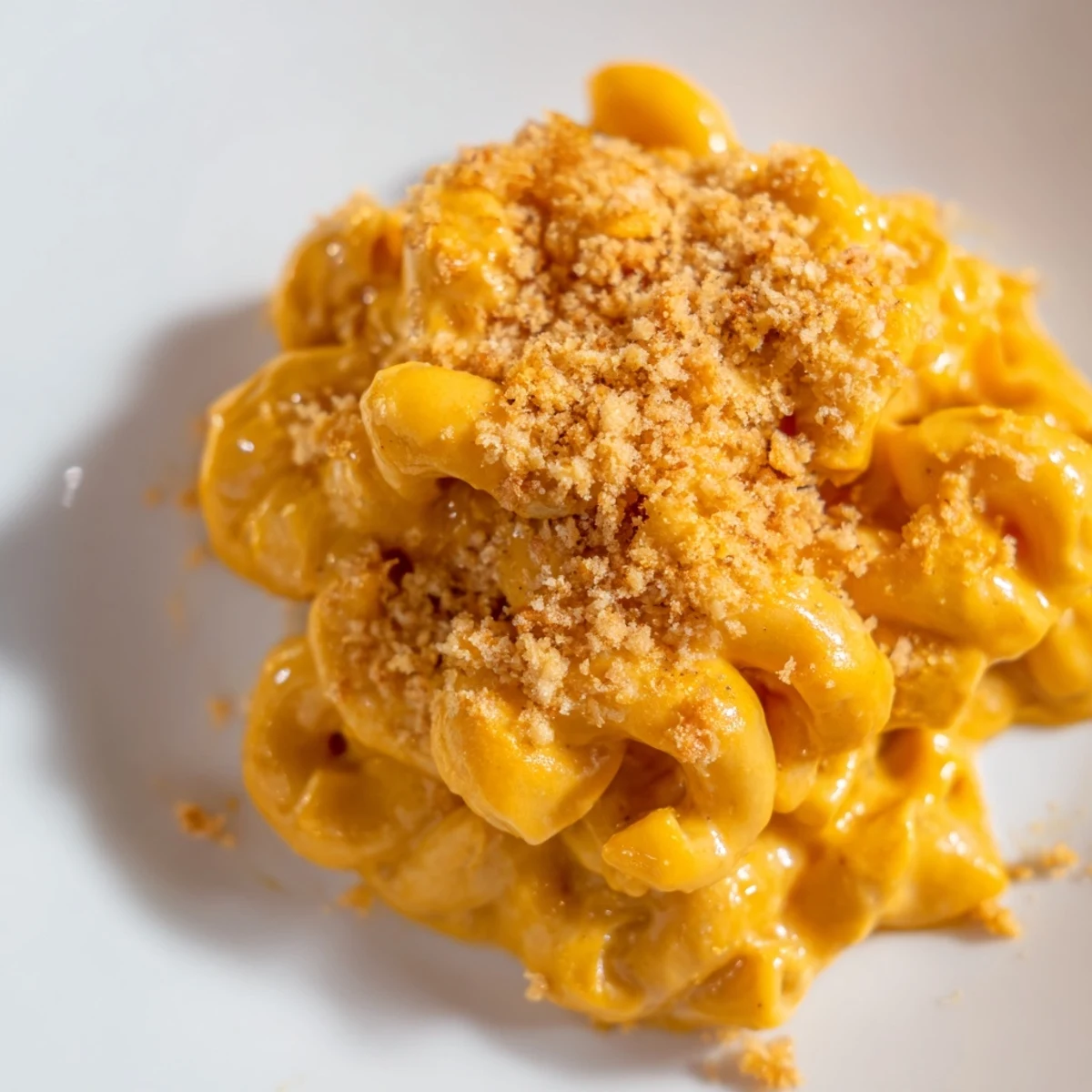
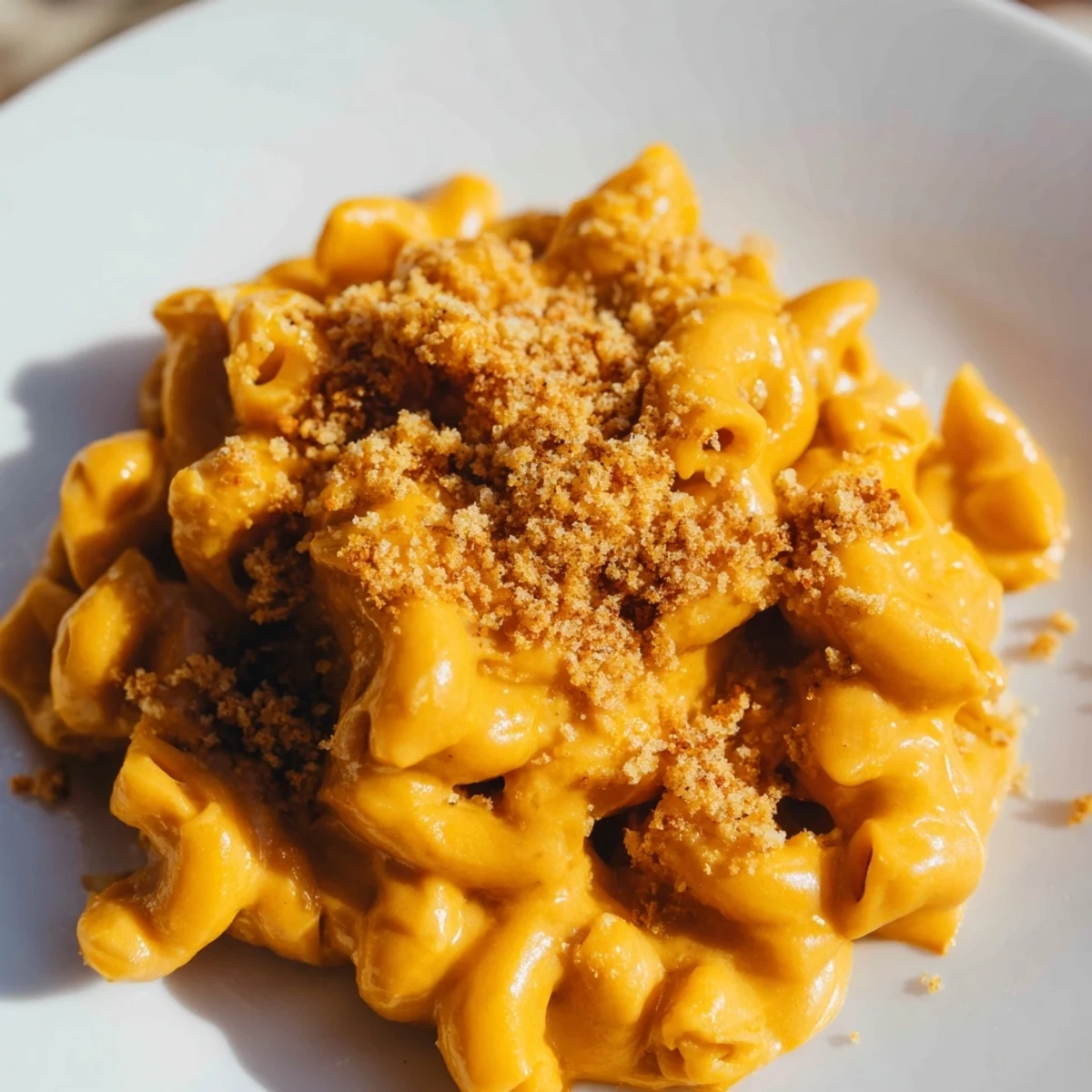
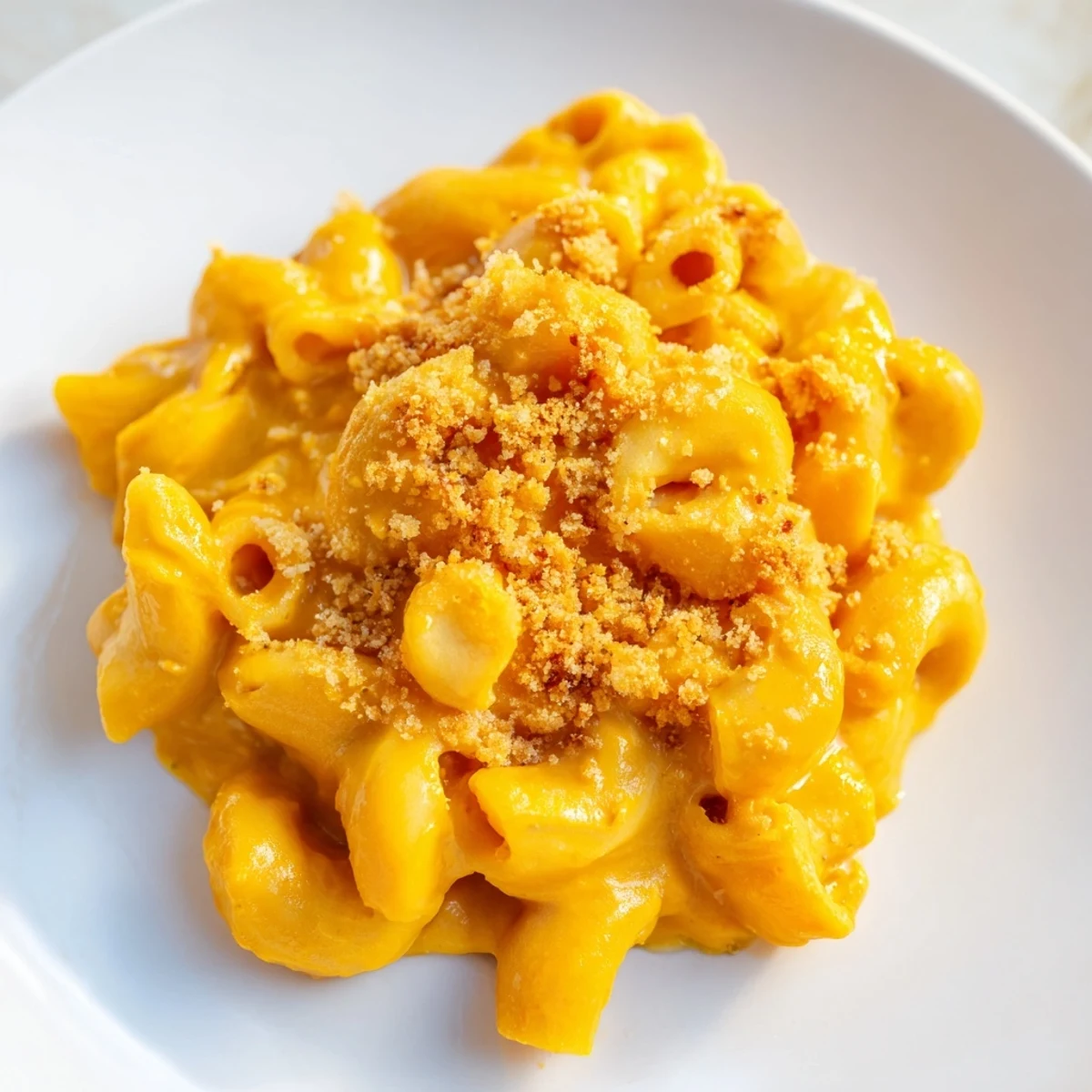
 This comforting dish combines tender roasted butternut squash with a creamy, flavorful cheese-style sauce made from plant-based ingredients like nutritional yeast, lemon juice, and spices. Elbow macaroni is gently coated in the rich sauce, creating a smooth and satisfying texture. Optional breadcrumb topping adds a golden, crispy finish. Perfectly balanced with savory and slightly smoky notes, this dish suits a cozy dinner where wholesome, plant-based comfort is desired.
I discovered this recipe on a particularly gray November afternoon when my roommate came home raving about a vegan mac and cheese she'd had at a friend's dinner party. She described it as impossibly creamy, rich with roasted squash, and nothing like the sad pasta dishes we'd both tried before. I was skeptical until she mentioned the butternut squash was blended right into the sauce, and suddenly I had to know how to make it.
The first time I made this for my partner, I was nervous about the roasting step because I'd never caramelized vegetables before. But watching that pale squash turn golden and slightly crispy at the edges made me understand why the recipe insisted on 25 to 30 minutes. When we finally sat down to eat, they took one bite and said, 'This is better than I expected,' which felt like winning the lottery.
Ingredients
- Butternut squash: The star ingredient that becomes your cheese sauce—look for one that feels heavy and has no soft spots, and don't skip the roasting, which brings out its natural sweetness and creates a deeper flavor than raw.
- Plant milk: Soy and oat are your best bets for creaminess; almond milk works but tends to be watery, so you might need less of it.
- Nutritional yeast: This is the secret weapon that gives the sauce its cheesy, savory backbone—don't confuse it with regular yeast or skip it thinking you can substitute something else.
- Olive oil: Use good quality for both the roasting and the blending; it's not just a binder but adds richness to the sauce.
- Smoked paprika: The small amount creates a subtle depth and a hint of smokiness that makes people wonder what your secret ingredient is.
- Lemon juice and Dijon mustard: These balance the sweetness of the squash and add brightness so the sauce doesn't feel one-dimensional.
Instructions
- Prepare and roast the vegetables:
- Cube your butternut squash into roughly 3/4-inch pieces so they roast evenly, toss everything with oil on a lined baking sheet, and let it sit in a 400°F oven until the edges just start to catch color. You'll know it's right when the kitchen smells like caramelized sugar.
- Cook the pasta:
- While the squash roasts, get your water boiling and cook your pasta until just shy of al dente, since it will warm through again when you toss it with the sauce. Don't drain it too aggressively; a little starchy water clinging to it helps the sauce coat everything evenly.
- Blend the sauce:
- Transfer your warm roasted vegetables into the blender along with the plant milk, nutritional yeast, oil, lemon juice, mustard, spices, and seasonings. Blend on high until it's completely smooth and creamy, which usually takes about a minute of steady blending.
- Combine and warm:
- Pour the sauce over your drained pasta in the pot and stir gently over low heat until everything is heated through and coated. Taste it right now—this is your moment to adjust salt, acid, or spice to match what you're craving.
- Optional crispy topping:
- If you want texture, mix breadcrumbs with olive oil, scatter them over the mac and cheese in an oven-safe dish, and slide it under the broiler for just 2 to 3 minutes until they turn golden. Watch it like a hawk because the line between golden and burnt is about 30 seconds.
 Pin It
 A few months after that first dinner, a friend with a newly diagnosed dairy allergy came over feeling defeated about what she'd have to give up. When I set down a bowl of this mac and cheese in front of her, she got a little quiet. She said it was the first thing in weeks that made her feel like she wasn't missing anything, and that meant more to me than any compliment about the cooking.
The Magic of Roasted Vegetables
Roasting butternut squash isn't just about cooking it; it's about coaxing out flavors that don't exist in raw form. The dry heat of the oven concentrates the natural sugars and creates those caramelized edges that give the sauce its subtle complexity. Once you understand this principle, you'll start roasting vegetables differently in all your cooking.
Building Richness Without Dairy
The trick to making a vegan sauce feel indulgent is layering flavor and texture. The roasted squash provides sweetness and body, the nutritional yeast adds savory depth, the lemon juice brings brightness, and the mustard adds a subtle tang that your palate registers as richness. It's not about substituting dairy; it's about building something equally satisfying but different.
Customizing Your Bowl
This sauce is a canvas, and I've discovered the best additions over time. Steamed broccoli adds earthiness, fresh spinach wilts right into the warm pasta, and a handful of peas brings sweetness and pop. You can also swap the butternut squash for roasted pumpkin or sweet potato if you want to play with flavors.
- Stir in sautéed mushrooms or caramelized onions for deeper umami and a more sophisticated edge.
- A pinch of red pepper flakes or cayenne adds warmth and complexity without making it spicy.
- Fresh herbs like thyme or sage stirred in at the end bring freshness to an otherwise rich dish.
 Pin It
 This dish has become my go-to proof that vegan cooking isn't about deprivation but about discovering new ways to make food that brings people joy. Every time I make it, someone asks for the recipe.
Recipe FAQs
- → How do I roast the butternut squash for the sauce?
-
Peel, seed, and cube the squash, then drizzle with olive oil and roast at 400°F for 25–30 minutes until tender and caramelized.
- → Can I use different pasta types with this dish?
-
Yes, elbow macaroni is traditional, but gluten-free pasta or other shapes work well to hold the creamy sauce.
- → What ingredients create the creamy cheese-style sauce?
-
Roasted squash blended with plant milk, nutritional yeast, olive oil, lemon juice, Dijon mustard, and spices for a smooth, tangy flavor.
- → Is there a way to add a crunchy topping?
-
Combine breadcrumbs with olive oil and broil for 2–3 minutes until golden to add a crisp contrast.
- → How can I modify this dish for nut allergies?
-
Use oat or soy plant milk and nut-free breadcrumbs to keep the dish safe for those with nut sensitivities.
- → What are some good vegetable add-ins?
-
Steamed broccoli, spinach, or peas can be stirred in for extra texture and nutrition.