
 Pin It
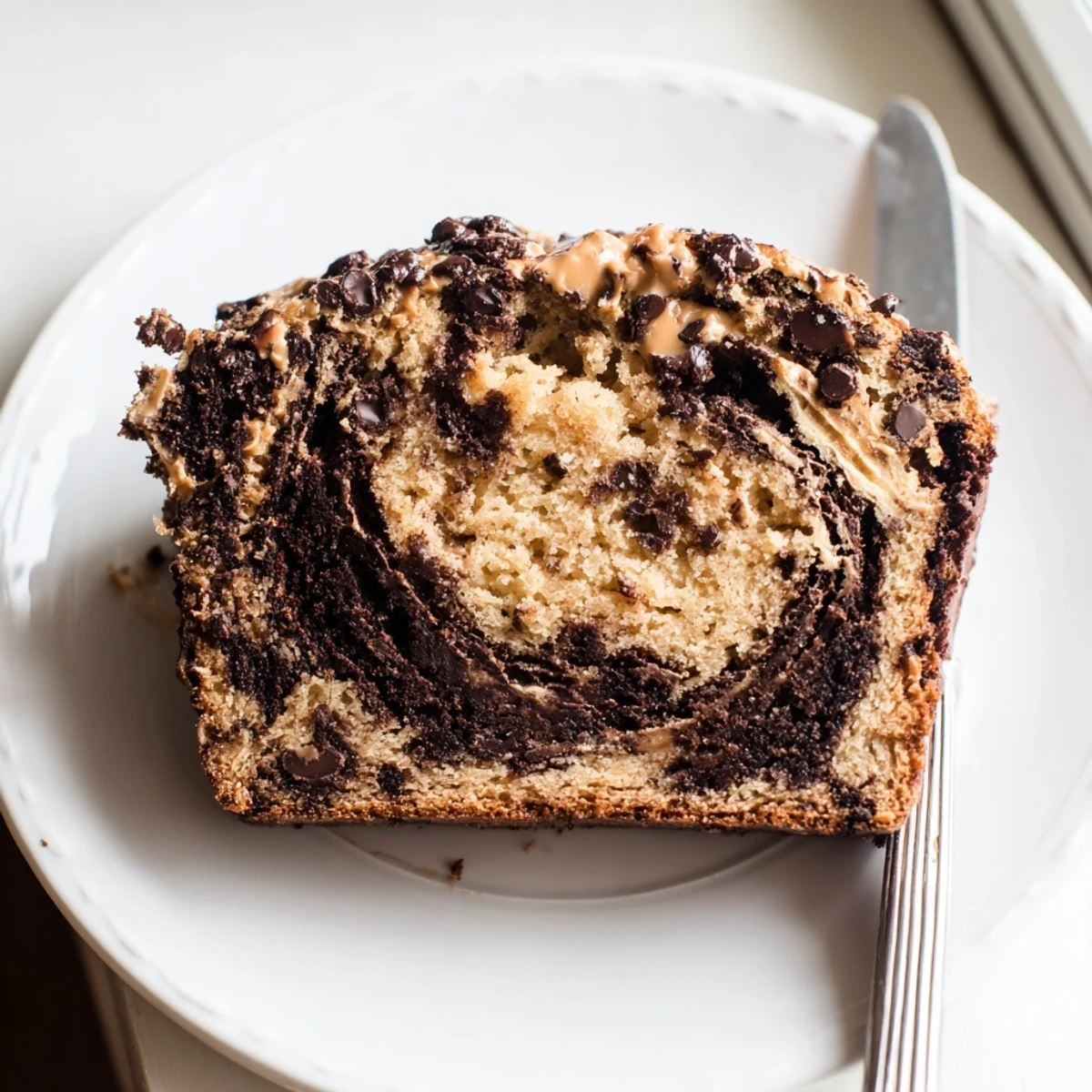
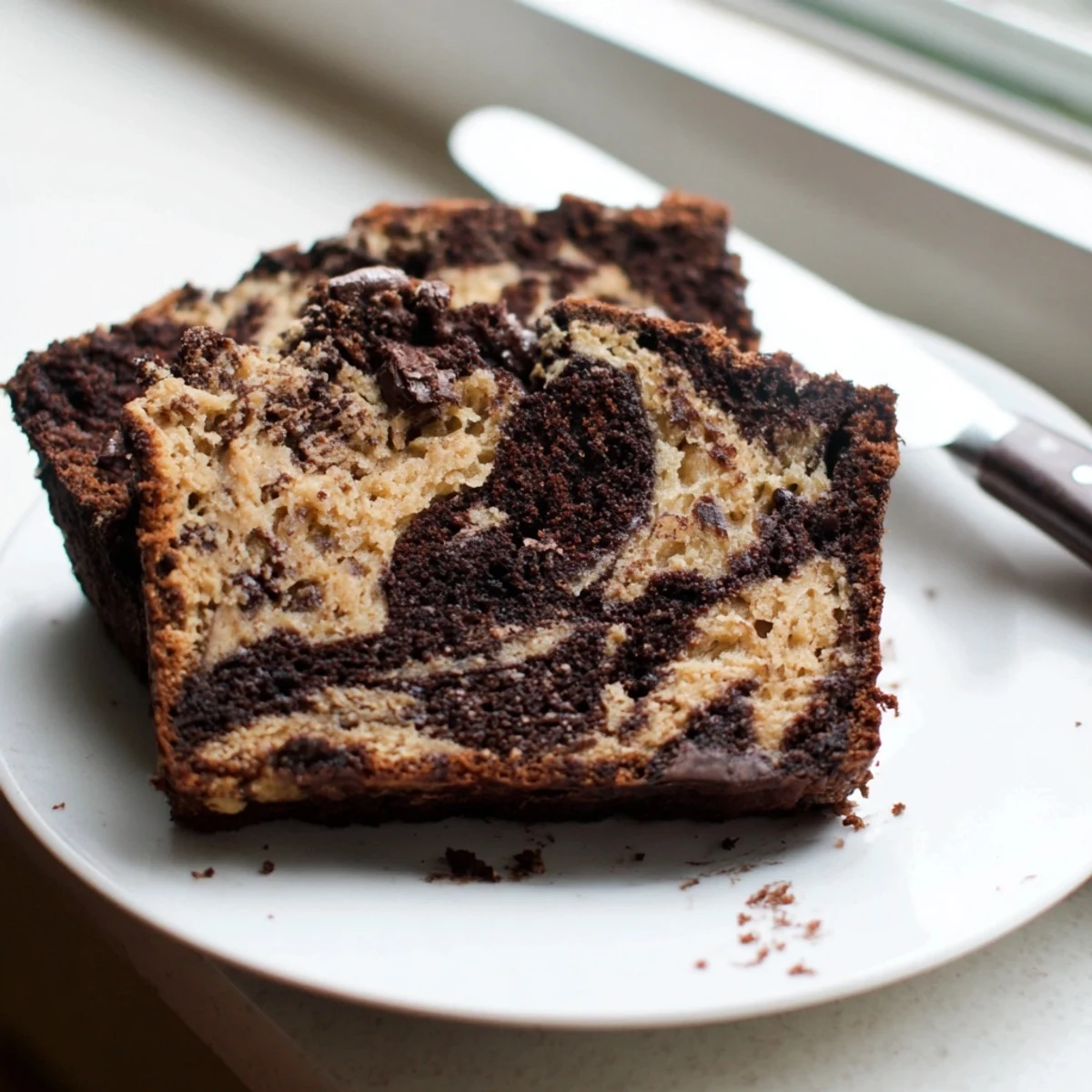
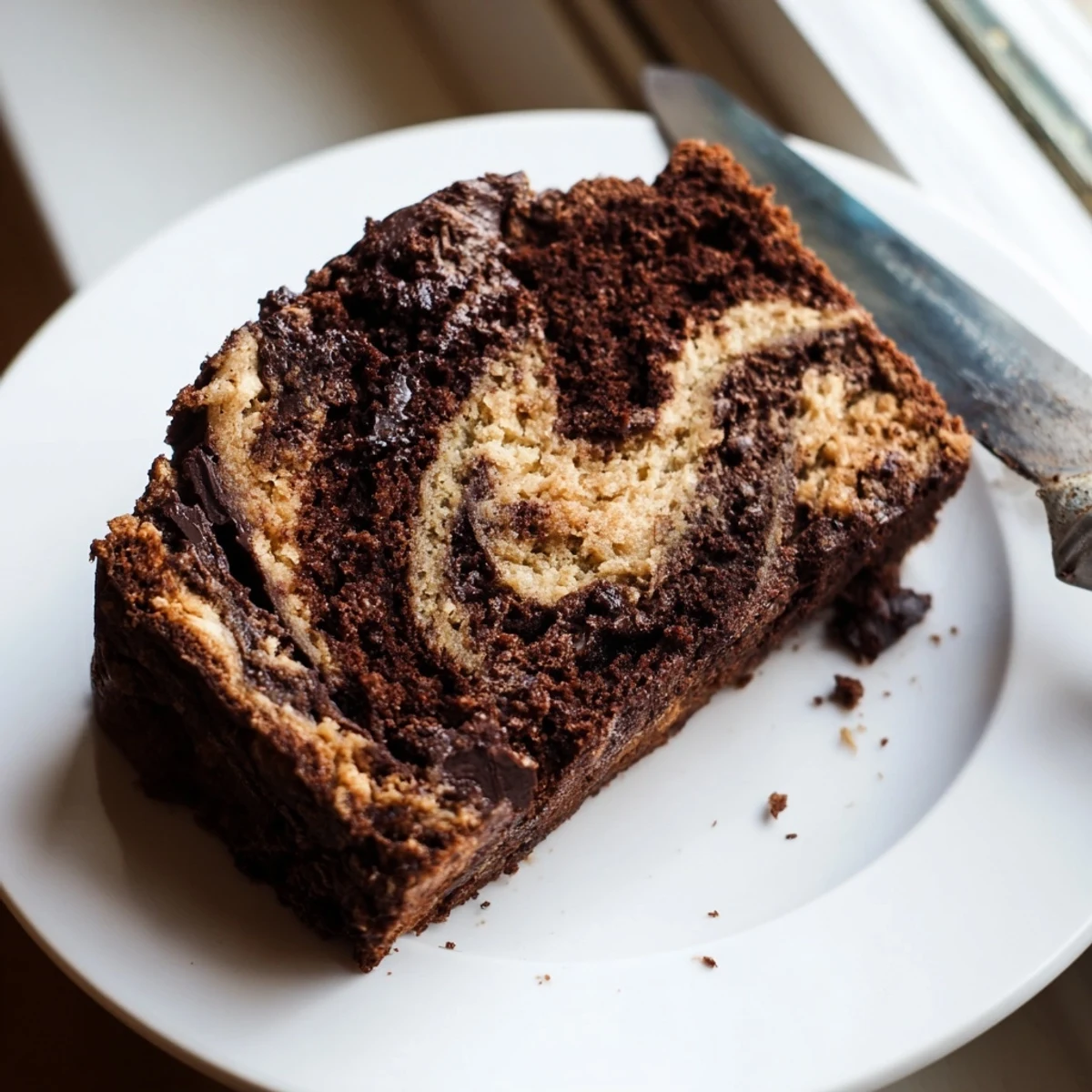
 This indulgent loaf combines the natural sweetness of ripe bananas with the rich pairing of chocolate and peanut butter. The batter comes together quickly in one bowl, featuring cocoa powder for depth and semi-sweet chips throughout. A signature peanut butter swirl creates beautiful marbling and adds pockets of creamy nuttiness in every bite.
Bake until just set for a tender crumb that stays moist for days. The finished slices balance sweetness from the bananas and sugar with savory peanut butter notes, while cocoa adds sophisticated chocolate flavor without overwhelming the classic banana bread profile.
Perfect served warm with morning coffee or as an afternoon treat. The texture is dense yet tender, with melting chocolate chips and ribbons of peanut butter throughout each slice.
The smell of cocoa powder hitting ripe bananas still takes me back to my first apartment kitchen. I was attempting to make something that felt like breakfast but tasted like dessert, standing in my pajamas while rain tapped against the windows. That first loaf came out denser than intended, but the way chocolate and peanut butter melted together made me forget every flaw.
My neighbor knocked on my door while that first loaf was cooling. She followed the scent right down the hall and ended up staying for coffee and a still-warm slice. We sat on my tiny balcony picking chocolate chips out of the swirl, and she asked for the recipe before she even finished her first piece.
Ingredients
- All-purpose flour: Provides structure without making the bread too heavy, and the 1 3/4 cup measurement has proven reliable through dozens of test loaves
- Unsweetened cocoa powder: Deep chocolate flavor without competing sweetness, letting the bananas shine through
- Baking soda: The only leavening you need, working with the acidic bananas to create lift
- Salt: Just enough to make the chocolate sing and balance the sweetness
- Ripe bananas: The blacker the better, they should practically be applesauce consistency for maximum moisture and sweetness
- Granulated sugar: Keeps the texture tender while letting the other flavors lead
- Neutral oil: Vegetable or canola oil keeps things moist without competing with the chocolate and peanut butter
- Creamy peanut butter: Use the kind that separates naturally if possible, it swirls more beautifully
- Large eggs: Room temperature eggs incorporate more easily into the batter
- Vanilla extract: Pure vanilla makes a difference in such a simple batter
- Semi-sweet chocolate chips: They hold their shape during baking and create little pockets of melted chocolate throughout
Instructions
- Prepare your oven and pan:
- Preheat to 350°F and line a 9x5-inch loaf pan with parchment paper, letting it overhang the sides for easy removal later
- Whisk the dry ingredients:
- Combine flour, cocoa powder, baking soda, and salt in a medium bowl, breaking up any cocoa clumps with your whisk
- Mix the wet base:
- Mash bananas thoroughly in a large bowl until no lumps remain, then whisk in sugar, oil, peanut butter, eggs, and vanilla until completely smooth
- Combine batter:
- Gradually fold the dry ingredients into the wet mixture, stirring just until the flour disappears
- Add chocolate chips:
- Scrape the sides of the bowl and fold in the chocolate chips until evenly distributed
- Create the swirl:
- Pour batter into the prepared pan, dollop extra peanut butter across the top, and drag a knife through in figure-eights
- Bake to perfection:
- Bake for 50 to 55 minutes until a toothpick comes out with moist crumbs but not wet batter
- Cool properly:
- Let it rest in the pan for 10 minutes, then use the parchment to lift it onto a wire rack
 Pin It
 My sister requested this for her birthday instead of cake last year. I made three loaves because the first one mysteriously disappeared while cooling, and she took the other two home in her suitcase.
Making It Your Own
Sometimes I swap in dark chocolate chips when I want something less sweet. Other times I skip the swirl and stir chopped salted peanuts into the batter instead. Both versions have their loyal fans in my house.
The Swirl Technique
The peanut butter needs to be slightly warmed or very soft to dollop smoothly across the thick batter. Cold peanut butter tears through the batter and sinks to the bottom during baking, which still tastes fine but defeats the whole marble effect.
Storage and Serving
This bread actually improves overnight as the flavors deepen and the texture settles. I wrap cooled loaves tightly in plastic and keep them on the counter, though they rarely last past day three in my kitchen.
- Freeze individual slices wrapped in parchment for emergency breakfast situations
- A quick 15-second toast brings back that fresh-baked warmth
- Serve slightly warm with salted butter for an afternoon snack that feels like a treat
 Pin It
 There is something deeply comforting about a recipe that transforms such humble ingredients into something that feels like a special occasion.
Recipe FAQs
- → How do I know when the banana bread is done?
-
Insert a toothpick into the center of the loaf. It should come out with just a few moist crumbs attached, not completely clean. The top should feel set and spring back slightly when touched gently.
- → Can I use natural peanut butter instead of creamy?
-
Creamy peanut butter works best because it incorporates smoothly into the batter. Natural peanut butter with oil separation can make the bread greasy and affect the texture. If using natural, stir thoroughly and reduce the oil slightly.
- → Should I use ripe bananas?
-
Yes, very ripe bananas with brown spots are ideal. They provide natural sweetness and moisture, plus mash easily into the batter. Yellow bananas will result in less flavor and a drier texture.
- → Can I make this dairy-free?
-
Yes, use dairy-free chocolate chips and ensure your peanut butter doesn't contain added milk ingredients. The bread itself contains no dairy except what might be in the chocolate chips.
- → How should I store this banana bread?
-
Wrap cooled slices tightly in plastic wrap or store in an airtight container at room temperature for up to 3 days. For longer storage, refrigerate for up to a week or freeze individual slices for up to 3 months.
- → Why is my bread dense or heavy?
-
Overmixing the batter can develop too much gluten, creating a dense texture. Also, ensure you're measuring flour correctly by spooning it into the measuring cup and leveling off, rather than scooping directly which can pack it down.