
 Pin It
 Make thin chocolate shells by coating silicone domes with melted dark chocolate and chilling between layers. Whip cold cream to soft peaks, blend with chilled mascarpone, powdered sugar and vanilla, then fold in dissolved gelatin to stabilize. Pipe or spoon mousse into shells, chill until firm. Warm and strain a cocoa mirror glaze to about 32°C/90°F, pour over domes and finish with gold leaf or berries. Chill briefly before serving.
The first time I attempted this chocolate mascarpone dome, I was lured in by the shine glistening off a dessert at a Parisian patisserie window. There was a slight hum of anticipation as I unpacked the molds—new and intimidating—and found myself grinning at the challenge. Unlike most desserts I bake, the process invited a little theater into my kitchen, every step building suspense until the big reveal. The results never fail to make me feel more like a magician than a cook.
I still remember the quiet giddiness at a spring dinner party when I set these domes in the fridge, worrying if they'd ever come out unscathed. Friends crowded around the kitchen island, exchanging guesses about what was inside, and when I cut into the first dome, the mousse spilled like a secret. It’s a dessert that starts conversations and never fails to steal the spotlight.
Ingredients
- Dark chocolate (250 g, at least 60 percent cocoa): For the shells, a deeper cocoa flavor stands up to the sweet mousse and creates that unmistakable snap; I discovered that higher cocoa also melts smoother.
- Mascarpone cheese (250 g, chilled): The backbone of the mousse for ultimate silkiness; use very cold mascarpone so the cream folds evenly and the mousse holds its shape.
- Heavy cream (250 ml for mousse, plus 60 ml for glaze, cold): Whipped to delicate peaks, it transforms the mousse; very cold cream whips best and keeps the end result airy.
- Powdered sugar (50 g): Dissolves instantly into the mascarpone; I learned to sift it to avoid any lumps sneaking through.
- Vanilla bean paste or extract (1 tsp): Adds perfumed warmth; paste leaves pretty specks in the mousse, but use what you have.
- Gelatin sheets or powder (2 sheets or 7 g, plus 4 g/2 sheets for glaze): Essential for stability; soak leaves until floppy or bloom powder in cold water—if the gelatin is grainy, the mousse texture won't be right.
- Cold water (2 tbsp for mousse, 3 tbsp for glaze): Just enough to hydrate the gelatin for later melting, a step that's easy to overlook amid excitement.
- Water (100 ml, for glaze): This is the base for dissolving cocoa and sugar into the glossy finish.
- Sugar (100 g, for glaze): Arriving at just the right sweetness for the glaze took a few tests; don't skip weighing here.
- Cocoa powder (30 g, sifted, for glaze): Sifting is vital for lump-free gloss—my first try was a streaky, spotted mess.
- Gold leaf, chocolate curls, or fresh berries (optional): These let you add a touch of extravagance, and I've seen faces light up over a single gilded dome.
Instructions
- Melt and Paint the Chocolate Shells:
- Chop the chocolate and melt it gently in a bowl set over barely simmering water or zap in the microwave in 20-second bursts. Paint the inside of each silicone dome mold with a thick layer, wait for it to set in the fridge for 10 minutes, then repeat for an extra-sturdy shell—let them chill till the chocolate is firm and matte.
- Whip Up the Mascarpone Mousse:
- Soften your gelatin by immersing sheets in cold water or blooming powder with a careful splash—when pliable, squeeze out excess water and dissolve over low heat. In a large bowl, whisk mascarpone, powdered sugar, and vanilla, then gently fold in soft-peak whipped cream and the melted gelatin for an ethereal mixture; spoon into chocolate shells, smoothing the tops and leaving a whisper of space for the base, and chill for at least 3 hours.
- Unmold the Domes with Care:
- Once set, invert the molds and slowly peel them away to reveal glossy chocolate domes—if a dome cracks, consider it a chef’s treat. Use a thin spatula to transfer them onto a wire rack placed over a tray for glazing.
- Make the Mirror Glaze:
- Start by soaking gelatin in just enough cold water to bloom, then in a small saucepan, stir together water, sugar, cream, and cocoa until everything dissolves into a dark velvet. Take it off the heat, let cool until just warm to touch (around 50 degrees Celsius), and swirl in the softened gelatin until dissolved; allow to cool further to about 32 degrees Celsius so it barely coats a spoon.
- Enrobe the Domes in Glaze and Decorate:
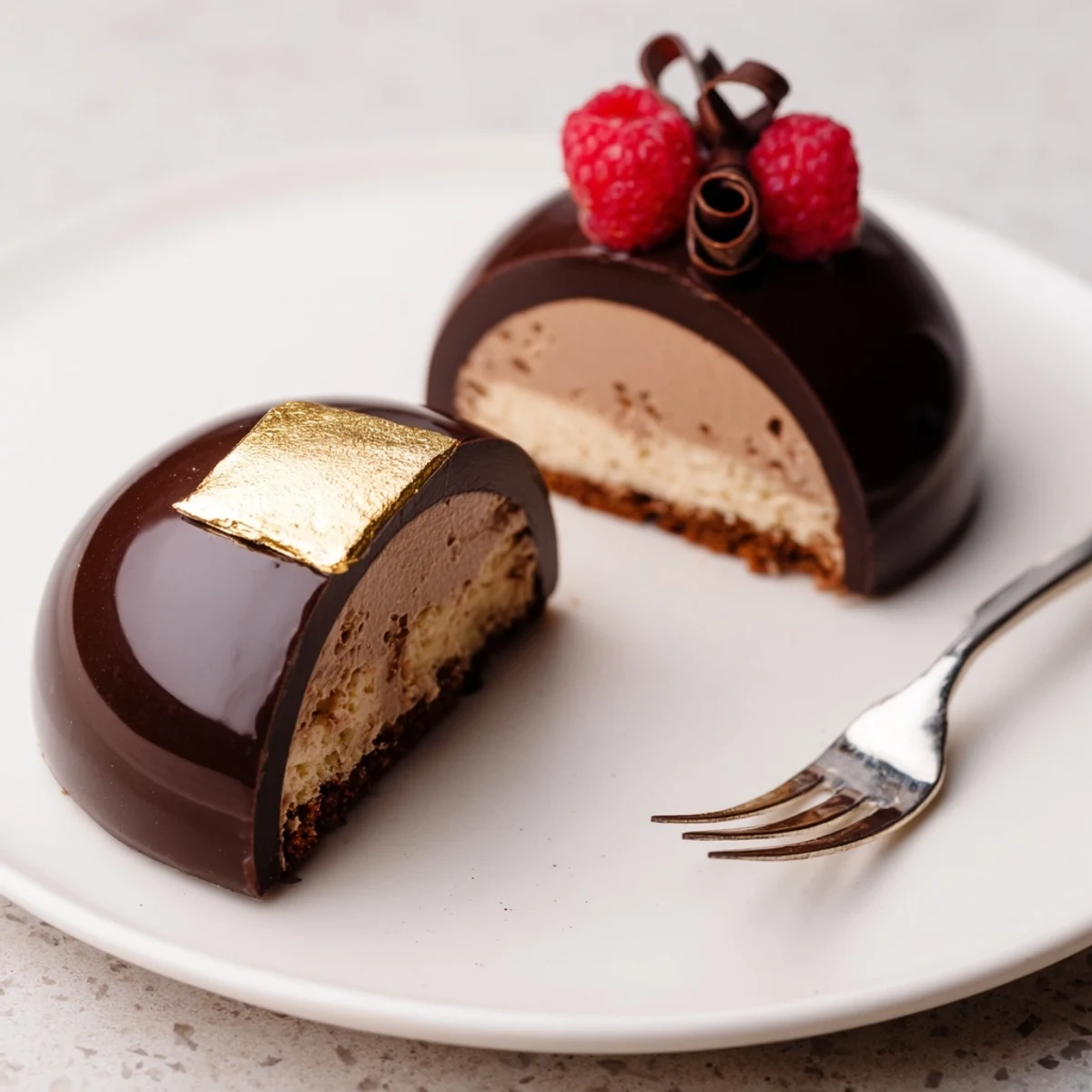
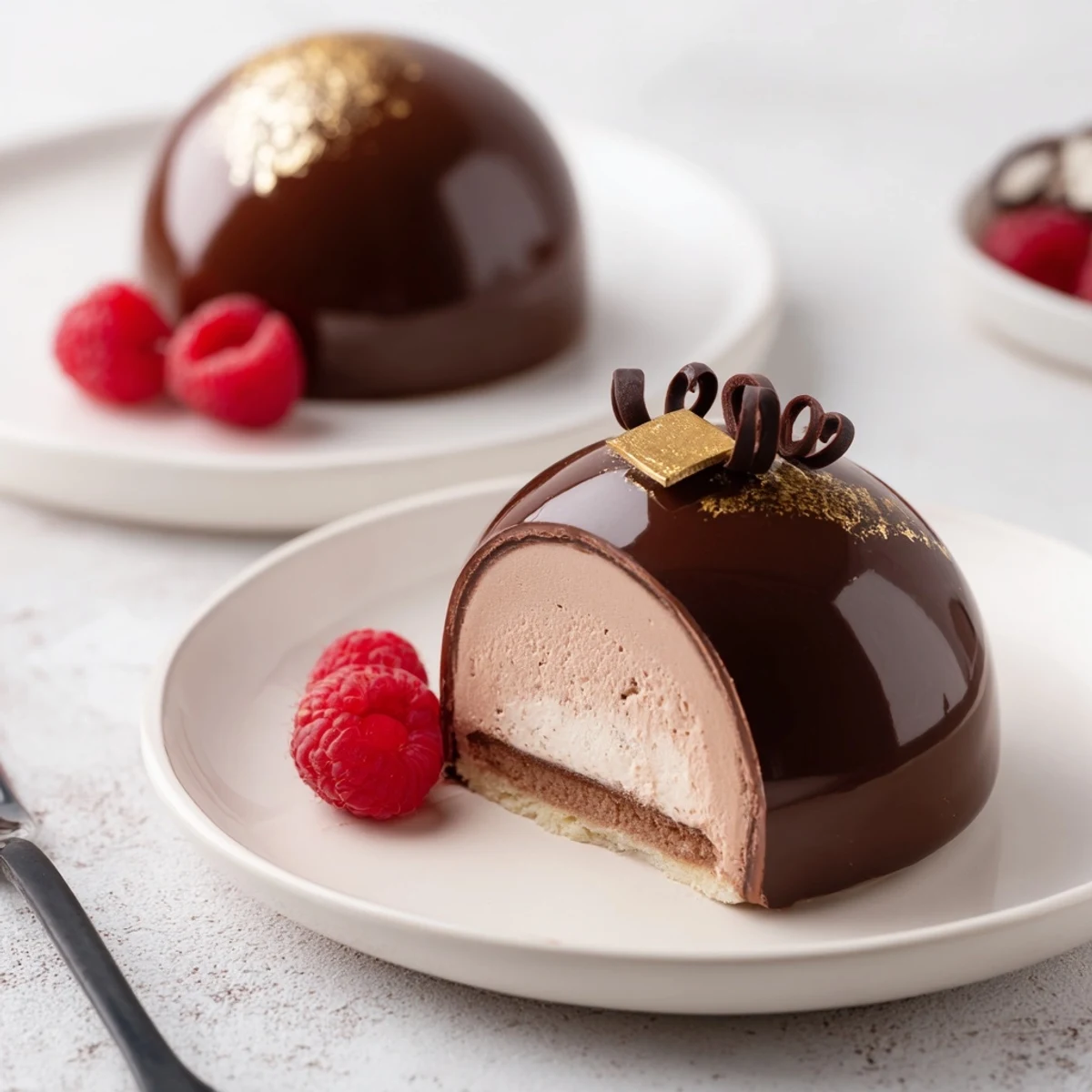
- Pour or ladle the glossy glaze over the cold domes, watching it glide down like glass, before using an offset spatula to lift each dome to a plate. If you fancy, gild with gold leaf, curls, or berries, then chill for at least 30 minutes until the glaze is set to a mirror finish.
 Pin It
 There was a holiday when even the most skeptical, savory-toothed uncle asked for the recipe after finishing his dome in record time. It’s in those moments—when silence falls as everyone digs in—that you realize this dessert turns special occasions into lasting memories.
Choosing the Right Molds Made All the Difference
I used to think any mold would do, but silicone is not negotiable for this recipe—the domes slip out flawlessly, while rigid molds spell disaster. I even keep a few spares in case one cracks so there's always a perfect dome for plating.
Getting the Mirror Glaze Just Right
The visual drama of the pour is half the fun—wait until the glaze feels just warm to your finger before drizzling. Too hot and it melts the chocolate, too cold and it clumps, so keep a thermometer handy for your own peace of mind.
Elevating the Flavors for a Crowd
After a few rounds of experimentation, layering a hint of espresso-soaked sponge under the mousse truly made the flavors pop. Pairing with a whisper of espresso or sweet wine turns a plated dessert into a lingering conversation starter.
- Always chill your mixing bowl and whisk for quicker, fluffier whipped cream.
- Clean molds with a dry cloth to keep chocolate shells perfectly shiny and free of water spots.
- Move slowly when glazing; haste can smudge your masterpiece.
 Pin It
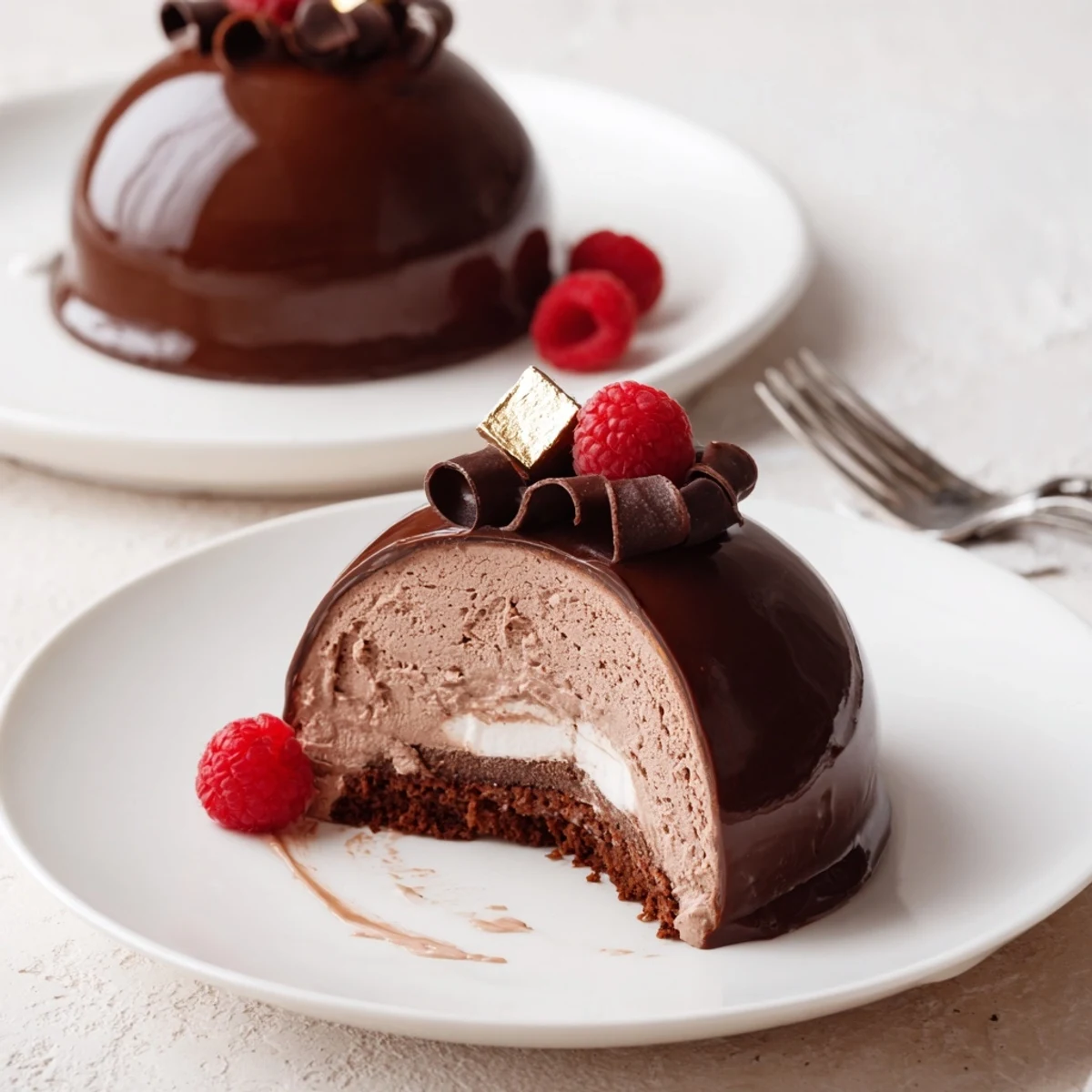
 Enjoy making and sharing these domes—sometimes the anticipation and the shine on your dessert says it all. Here’s to little moments of luxury with every spoonful.
Recipe FAQs
- → How do I get sturdy chocolate shells?
-
Use good-quality dark chocolate and melt gently. Coat molds, chill to set, then add a second layer for strength. Avoid over-thinning the chocolate; colder molds help the shell set quickly and release cleanly.
- → How can I ensure a stable mascarpone mousse?
-
Keep mascarpone and cream well chilled, whip the cream to soft peaks, fold gently, and incorporate dissolved gelatin while warm but not hot. This provides structure without losing a light, silky texture.
- → What is the ideal temperature for pouring mirror glaze?
-
Cool the glaze to roughly 32°C/90°F before pouring; too hot and it will be thin and runny, too cool and it won't level smoothly. Strain the glaze to remove any lumps for a flawless finish.
- → Is there a vegetarian alternative to gelatin?
-
Agar-agar can be used as a plant-based setting agent, but it sets more firmly and quickly. Follow agar-agar instructions and test small batches to adjust texture, as quantities and handling differ from gelatin.
- → How long can the domes be stored?
-
Store glazed domes refrigerated in an airtight container for up to 48 hours for best texture. Chocolate shells may soften over time; assemble close to service for the crispest contrast.
- → Can I prepare components ahead of time?
-
You can make shells and mousse ahead: shells keep refrigerated, mousse can be chilled until set. If freezing, wrap tightly and thaw in the fridge before glazing; glazing from slightly chilled (not frozen) domes gives the best result.