
 Pin It
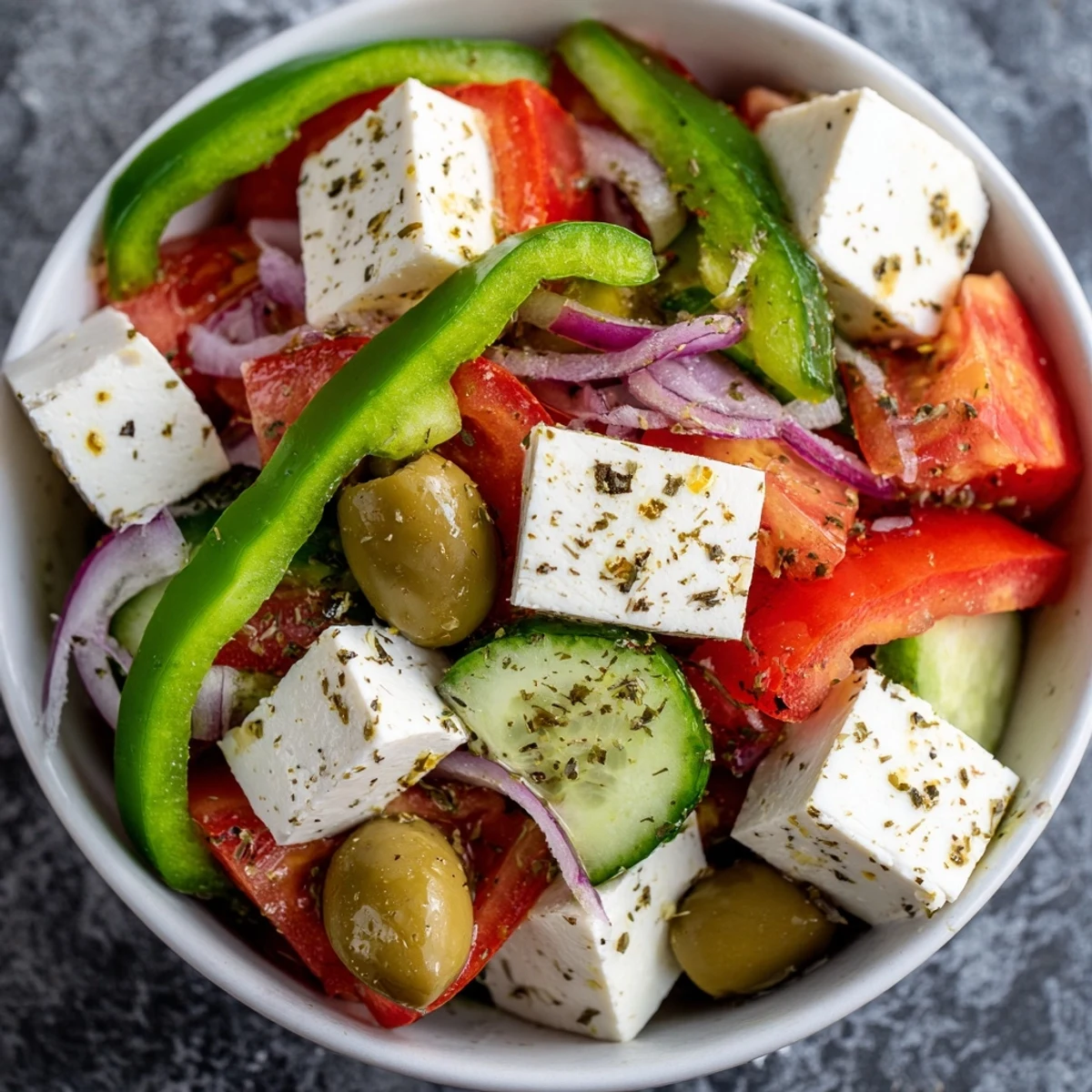
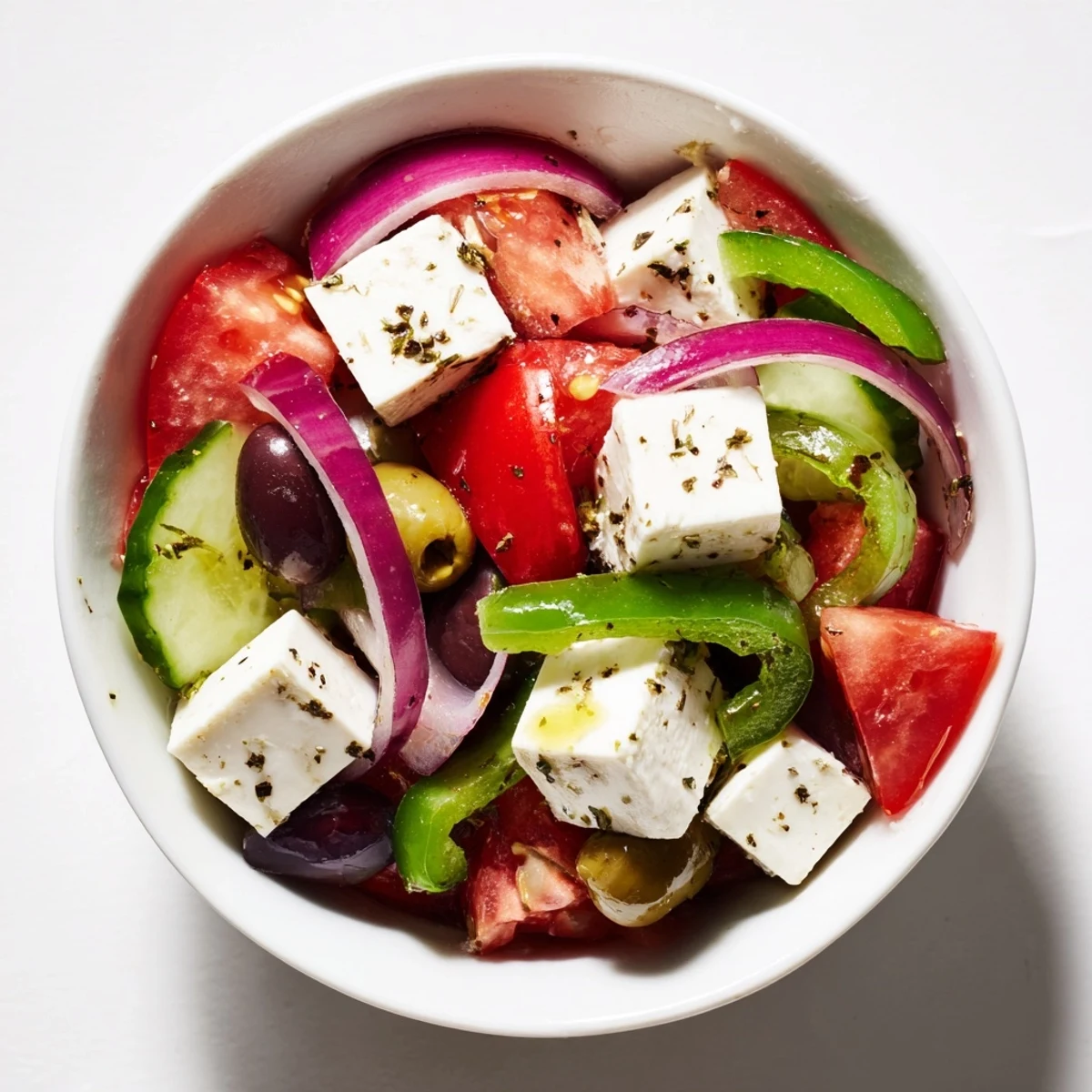
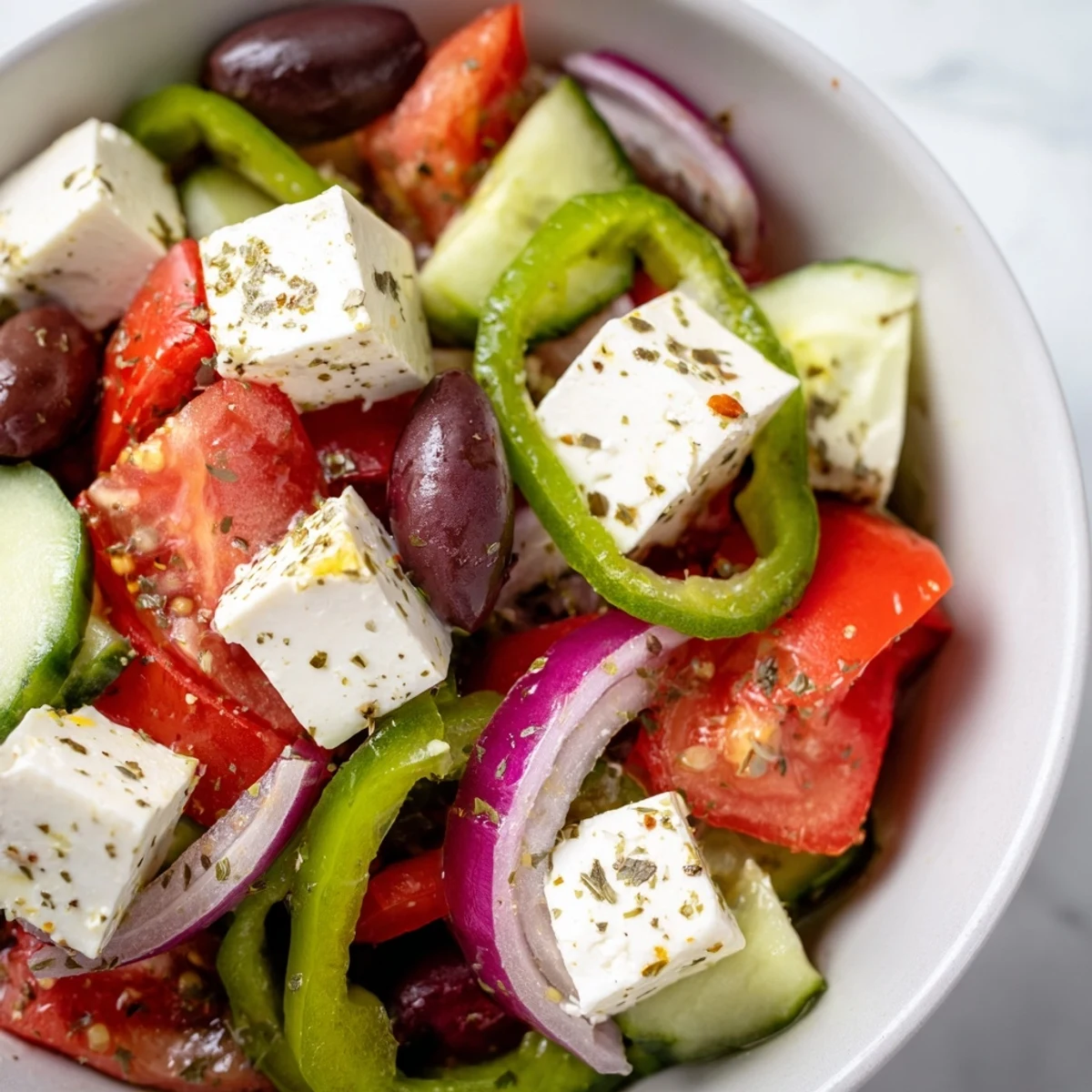
 This Greek-style salad combines juicy tomatoes, crunchy cucumber, red onion, and green pepper tossed with briny Kalamata olives and creamy feta cheese. A simple olive oil and red wine vinegar dressing seasoned with oregano and black pepper enhances the fresh flavors. Perfect for a quick, light, and colorful dish that complements any meal.
There's a moment every summer when the tomatoes at the farmers market are so perfectly ripe they practically glow, and that's when I know it's time to make this Greek salad. I was standing in my kitchen on a warm afternoon, surrounded by vegetables that smelled like sunshine, and I realized I didn't need to overthink it—just let them shine together with a handful of briny olives and good cheese. This salad has become my answer to that nagging question of what to make when you want something vibrant but effortless.
I made this for a last-minute dinner party once, and a friend who claimed to be tired of salads went back for seconds without saying a word—just kept eating while chatting about something completely unrelated. That's when I knew this wasn't just lunch food; it was the kind of dish that quietly wins people over.
Ingredients
- Ripe tomatoes (2 cups, about 300 g), cut into wedges: The quality of your tomatoes matters more than anything else here—they should be genuinely ripe, almost soft to the touch, because that's where all the flavor lives.
- Cucumber (1 large, about 250 g), sliced into half-moons: Half-moons hold the dressing better than rounds and feel more intentional on the plate.
- Red onion (1 small), thinly sliced: Thin slices soften slightly and distribute their sharp bite evenly throughout.
- Green bell pepper (1), sliced into rings: The rings add visual appeal and a crisp, slightly sweet crunch.
- Feta cheese (150 g), cut into cubes or crumbled: Cold feta straight from the package works best—it stays firmer and won't get lost in the dressing.
- Kalamata olives (100 g), pitted and whole or halved: Buy them pitted if you can find them; it saves you from biting down on unexpected pits during dinner.
- Extra-virgin olive oil (4 tbsp): This is one of those recipes where the quality of your oil actually changes everything—use something you'd be happy to drizzle on bread.
- Red wine vinegar (1½ tbsp): The acidity brightens everything and keeps the salad from tasting flat.
- Dried oregano (1 tsp): Mediterranean oregano has an earthiness that fresh oregano sometimes lacks, and it distributes more evenly when dried.
- Freshly ground black pepper (¼ tsp) and salt to taste: Always grind your pepper fresh—it makes a noticeable difference in how the flavors come together.
- Fresh oregano or parsley (optional garnish): A handful of green at the end feels like you actually tried, even though you didn't.
Instructions
- Gather your vegetables and prep them with intention:
- Cut everything into pieces that feel right in your mouth—tomato wedges should be substantial enough to taste, cucumber slices thin enough to bend slightly, bell pepper rings large and satisfying. This isn't about precision; it's about making sure each bite is interesting.
- Combine the vegetables in a large bowl:
- Toss the tomatoes, cucumber, red onion, and bell pepper together, and take a moment to look at it—the colors should make you want to eat it immediately.
- Add the olives and feta like a final touch:
- Scatter them across the top, distributing them so every forkful will have some of both. If you're using crumbled feta, don't mix it in yet; it'll break up more on its own as you toss.
- Make your dressing in a small bowl:
- Whisk the olive oil, red wine vinegar, dried oregano, black pepper, and a generous pinch of salt until the vinegar stops looking separated from the oil. Taste it—it should make your mouth pucker slightly, then smooth out into something savory and bright.
- Dress the salad gently and serve right away:
- Drizzle the dressing over everything and toss with your hands if you're comfortable doing that—it gives you better control and keeps the feta intact. Add fresh herbs if you have them, and eat it while the vegetables are still crisp.
 Pin It
 This salad reminds me that sometimes the simplest things are the most memorable. I've served it at garden parties, picnics, and quiet weeknight dinners, and it's never failed to feel exactly right.
The Truth About Fresh Ingredients
This recipe only works if your vegetables are genuinely fresh and in season. There's no sauce thick enough to hide a mediocre tomato, no technique that will save you from a bland cucumber. Shopping well is half the work—find a farmers market or a grocery store where produce moves quickly, and ask the person working there when something came in. Your salad will taste like the difference.
Why Feta Matters
Not all feta tastes the same. Greek feta from Crete has a sharper, more complex flavor than Bulgarian feta or other varieties, but whatever you choose, taste it before you buy it if you can. A good feta will be salty and slightly tangy without tasting sour or overwhelming. If your feta tastes too strong, soak the cubes in cold water for a few minutes to mellow it out, then pat them dry before adding them to the salad.
Variations and Occasions
The foundation of this salad is flexible, which is why it's become such a reliable dinner companion. I've added chickpeas when I wanted something more substantial, swapped the green bell pepper for yellow or red when the mood struck, and thrown in capers for extra briny complexity. One time I roasted some chickpeas with sumac and scattered them on top, and it felt both familiar and new. The point is: this salad is a template, not a rule book.
- Roasted chickpeas add protein and a satisfying crunch without making it feel like a different dish entirely.
- A handful of Kalamata olives can become marinated artichoke hearts or roasted red peppers if that's what you have on hand.
- Crumbled feta can be replaced with cubed halloumi if you want something that won't disappear into the dressing.
 Pin It
 This salad has taught me that cooking doesn't always require heat or complexity to feel nourishing. It's the kind of meal that tastes like summer, feels light, and somehow satisfies in a way that goes beyond the plate.
Recipe FAQs
- → What type of olives are used?
-
Kalamata olives are used, known for their rich, briny flavor that pairs beautifully with feta and fresh vegetables.
- → How is the dressing made?
-
The dressing combines extra-virgin olive oil, red wine vinegar, dried oregano, black pepper, and salt whisked together and drizzled over the salad.
- → Can this salad be prepared ahead of time?
-
It's best served fresh to maintain the crispness of the vegetables and the texture of the cheese.
- → Are there suitable garnish options?
-
Fresh oregano or parsley leaves can be used as a garnish to add aroma and color.
- → Is this dish suitable for vegetarians?
-
Yes, this salad is vegetarian-friendly and gluten-free, featuring fresh vegetables and cheese.