
 Pin It
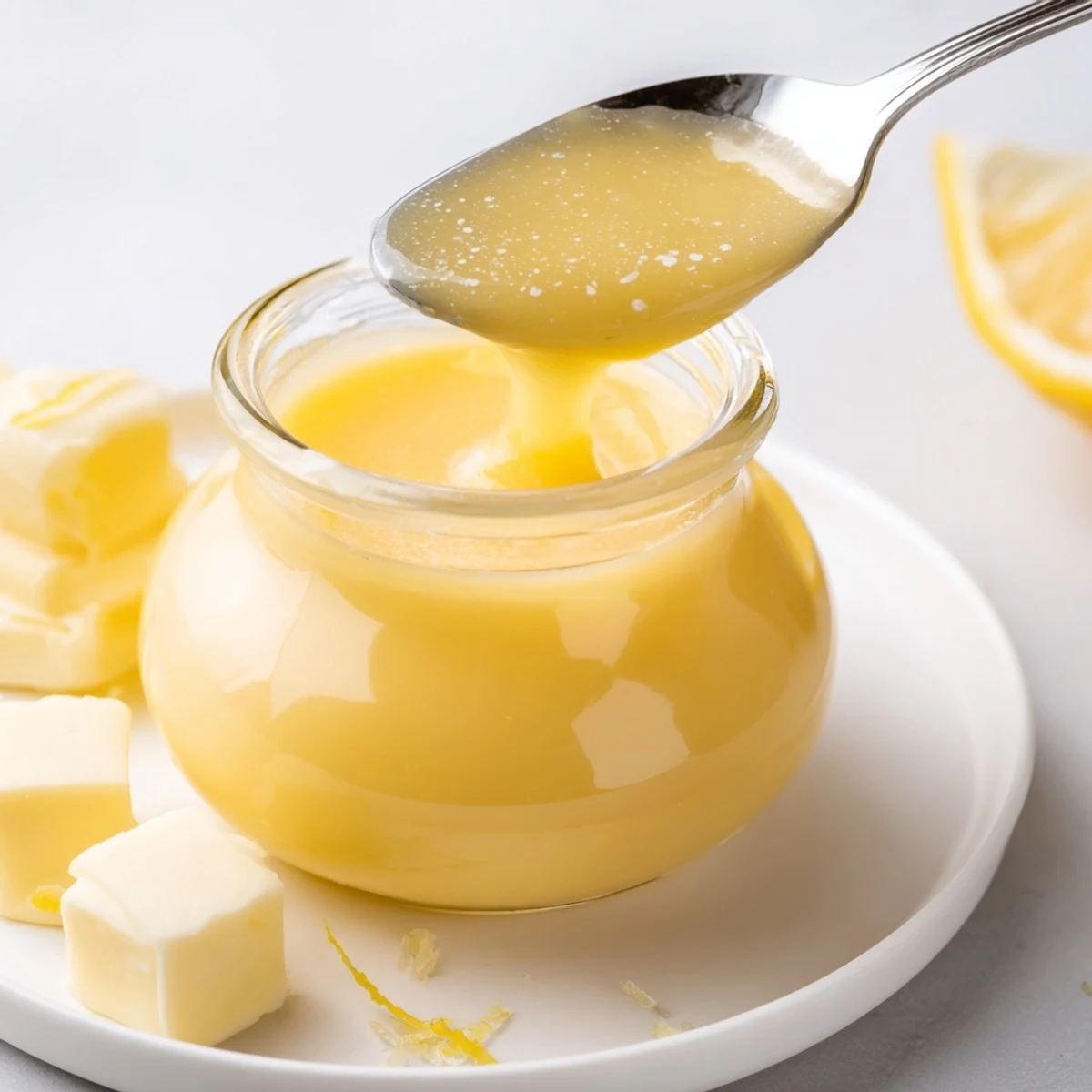
 Bright lemon curd made by whisking eggs and sugar with fresh lemon zest and juice, then gently cooking over a simmering water bath until it thickly coats a spoon (about 8–10 minutes). Off heat, whisk in cold butter for a silky finish, strain for extra smoothness, cool, and jar. Yields ~2 cups; refrigerate up to 2 weeks. Great for scones, tarts, cakes, or yogurt.
One afternoon, I found myself surrounded by the fragrant fog of freshly zested lemons, their bright aroma cutting through a chilly day. It wasn’t a special occasion—just a craving for something both tart and sweet to liven up the quiet. Lemon curd has this habit of transforming the simplest kitchen moments into bursts of sunlight, especially when the weather refuses to cooperate. Sometimes, the zing of citrus is exactly the lift a Wednesday afternoon needs.
Making lemon curd for brunch with friends last spring became an impromptu lesson in patience as we impatiently waited for the mixture to thicken, all while trading stories around the stove. There’s something about sharing spoonfuls straight from the bowl that makes everyone just a bit more cheerful.
Ingredients
- 4 large eggs: The backbone of the curd; I learned to crack each into a separate cup just in case—one rogue shell can cause a world of trouble.
- 4 tablespoons unsalted butter, cubed: Adds richness and creates that glossy finish; smaller cubes melt more evenly for extra-smooth curd.
- 3 large lemons (zest and juice; about 1 tablespoon zest, 120 ml juice): Fresh lemons deliver brighter tang than bottled juice—zest lightly, stopping before the bitter pith.
- 200 g (1 cup) granulated sugar: Balances the sharp lemon, and I realized once that superfine sugar melts smoother if you have it.
Instructions
- Whisk the Base:
- In a heatproof bowl, whisk eggs and sugar until you no longer feel the grain under your whisk—smoothness is key for a lump-free curd.
- Add the Citrus:
- Stir in the lemon zest and juice, inhaling that unmistakable zing as the colors of yellow and gold combine.
- Cook Gently:
- Place the bowl over a pan of simmering water, and keep whisking—steam will hug your hands as the curd slowly thickens, usually within 8 to 10 minutes.
- Finish with Butter:
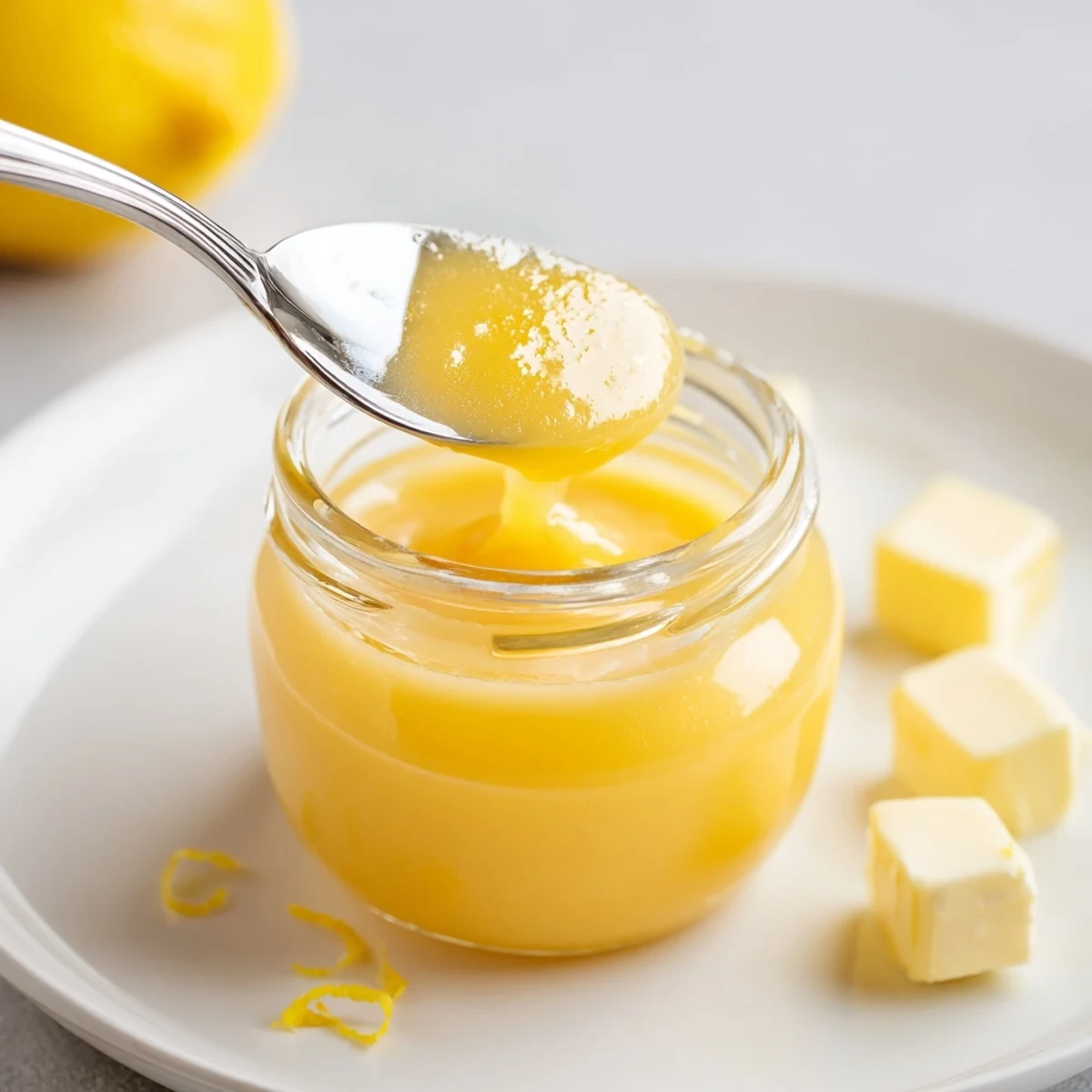
- Once it’s velvety and coats the back of your spoon, remove from heat and whisk in butter cubes until glossy and smooth.
- Strain for Silky Texture:
- Pour through a fine-mesh sieve into a clean bowl—don’t skip this; it removes zest strands and any accidental cooked egg bits.
- Cool and Store:
- Allow to cool, then spoon into sterilized jars. The hardest part is waiting for it to chill before slathering it everywhere.
 Pin It
 The first time my sister tasted this lemon curd was a rainy morning over toasted brioche, and the delight on her face turned our breakfast into a mini celebration. Sometimes food has a way of making even the most ordinary moments feel like tiny victories.
Making It Your Own
After you’ve nailed the basics, swapping in Meyer lemons or adding a pinch of vanilla can shift the personality of your curd entirely. Every batch becomes a little adventure in balancing tartness and sweetness to suit your mood.
Sweet Pairings and Serving Ideas
A swirl of lemon curd in Greek yogurt is my weekday pick-me-up, while spooning it into tart shells or between cake layers brings out its festive side. There’s even magic in folding it into whipped cream for an easy, bright dessert.
Troubleshooting and Storing Tips
If you ever end up with a curd that’s a touch runny, letting it cool completely in the fridge often saves the day—resist the urge to add more heat. Clean jars and a quick label (date included) make weekday toast look and feel special.
- Let the curd cool uncovered before sealing.
- For dairy-free, use vegan butter—the result is almost indistinguishable.
- Don’t skip the straining step for that luxuriously smooth finish.
 Pin It
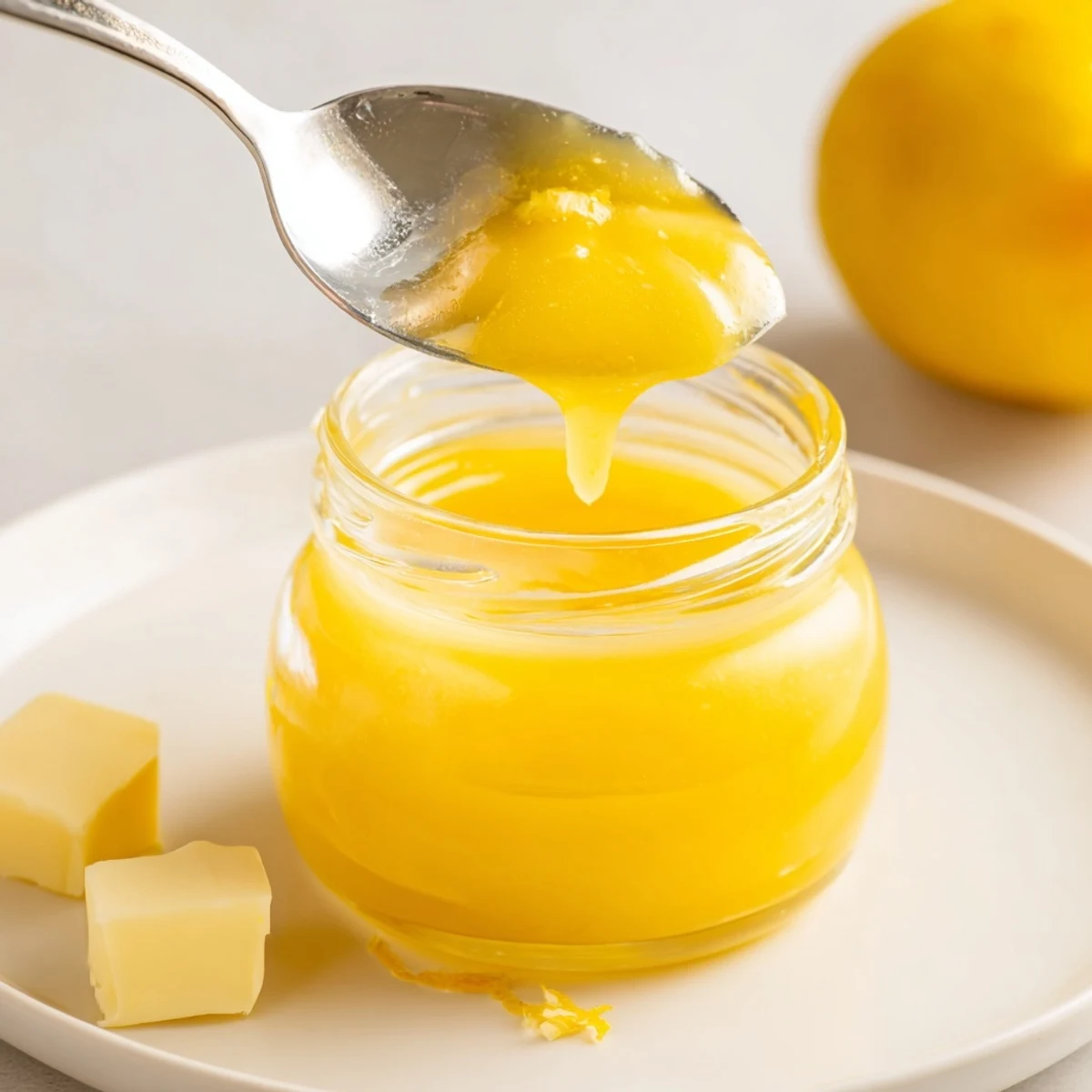
 There’s something quietly dazzling about a spoonful of homemade lemon curd—bright, glossy, and full of possibility. I hope it brings as much brightness to your kitchen as it does to mine.
Recipe FAQs
- → How do I stop the curd from becoming grainy?
-
Cook gently over a simmering water bath and whisk continuously to prevent the eggs from scrambling. Straining through a fine-mesh sieve after cooking removes any small bits and yields a silky texture.
- → Can I make a dairy-free version?
-
Yes. Substitute equal amounts of plant-based butter and proceed the same way. Use a neutral-flavored plant butter for the best texture and taste.
- → How long does lemon curd keep in the fridge?
-
Stored in sterilized jars, lemon curd will keep for up to two weeks in the refrigerator. Always use a clean spoon to avoid introducing contaminants.
- → What is the best way to thicken the curd?
-
Cook the mixture slowly until it coats the back of a spoon; this indicates proper thickness. If it needs extra body, continue cooking gently a few more minutes while whisking constantly.
- → Can I use the curd in baking?
-
Absolutely. Use it as a tart filling, swirl it into cake batters or cheesecakes, or layer it between cake tiers. Chill fillings briefly to firm up before assembly when needed.
- → Why strain the curd after cooking?
-
Straining removes tiny bits of cooked egg and coarse zest, resulting in a smoother, more refined spread—especially useful when filling delicate pastries or using as a smooth frosting layer.