
 Pin It
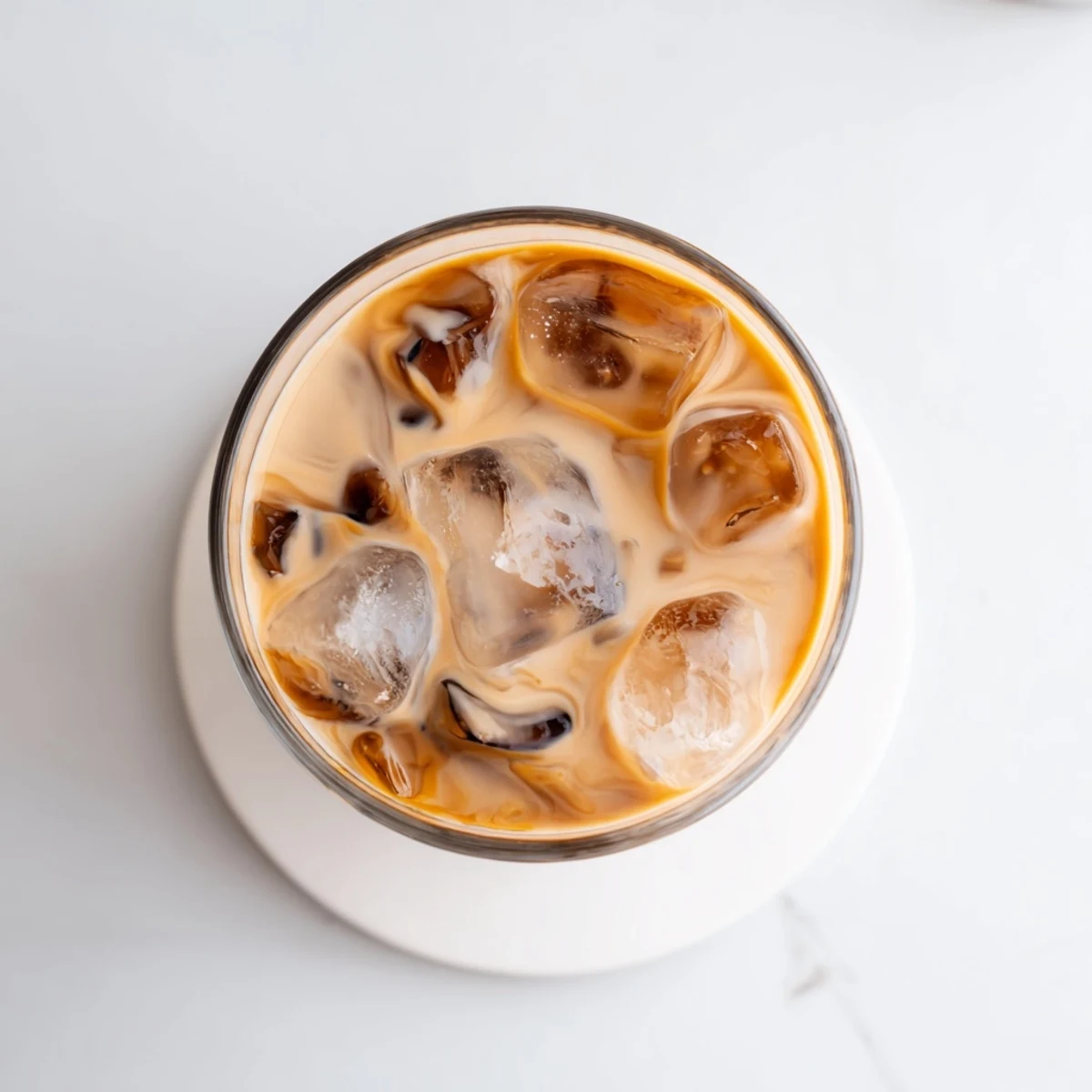
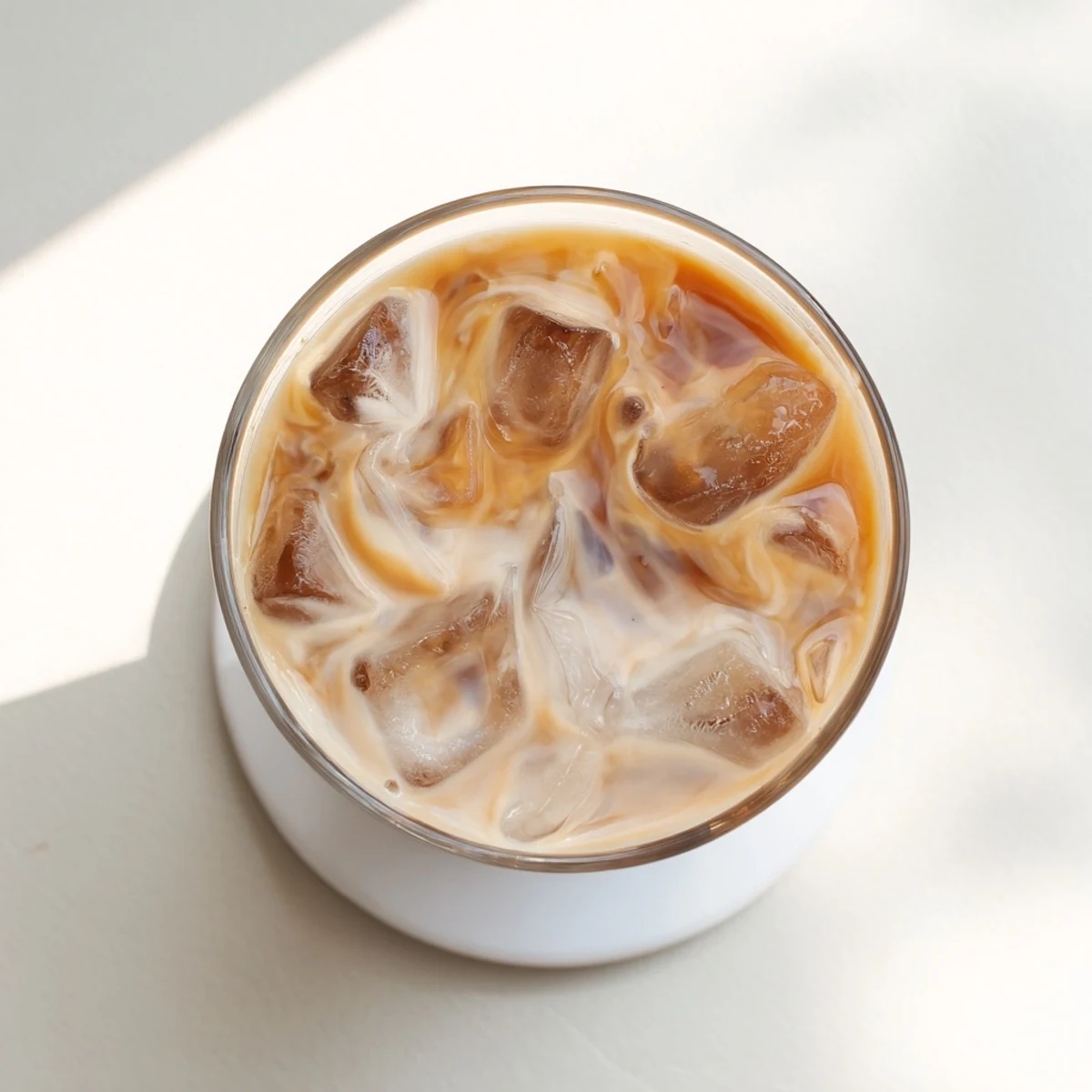
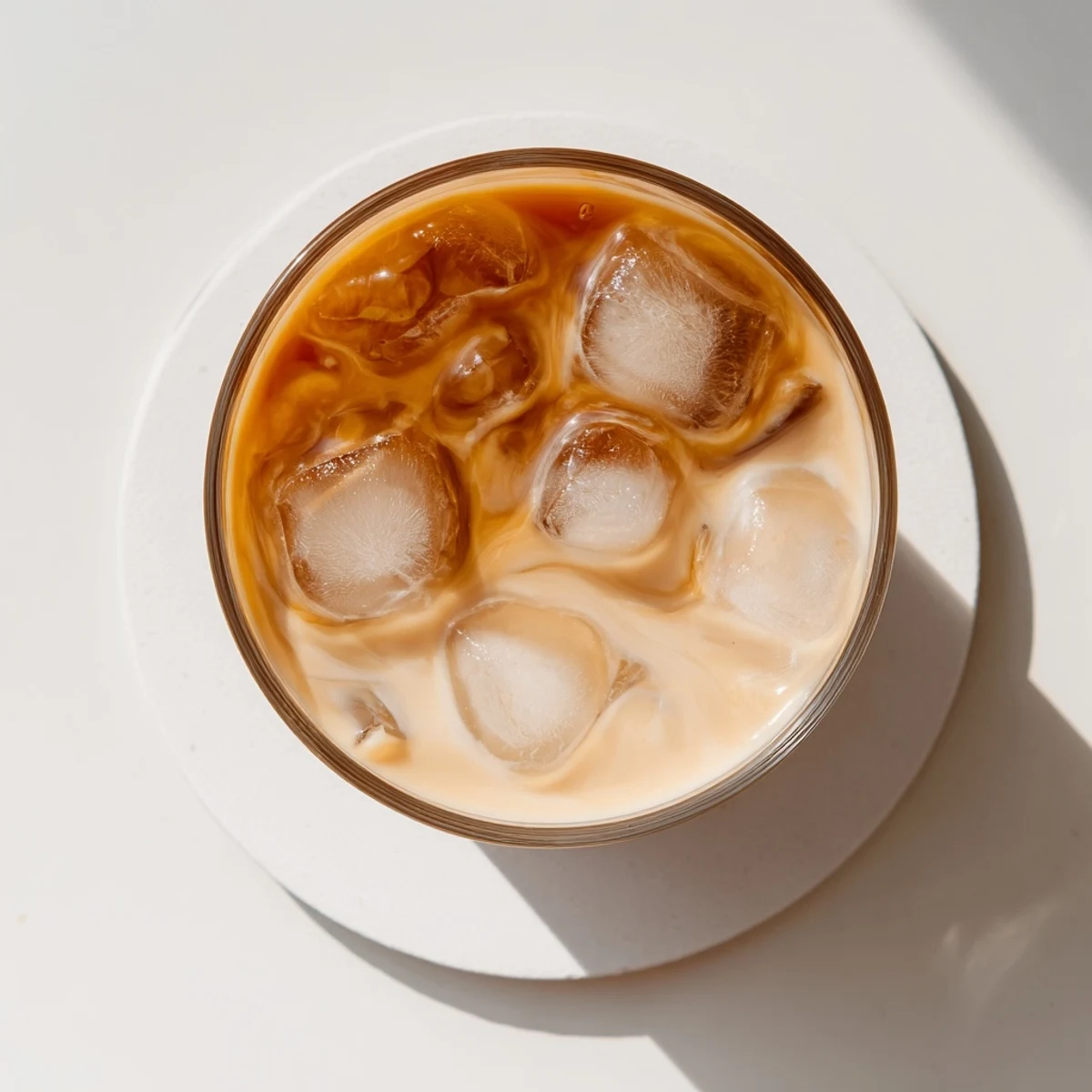
 Create this beloved Japanese beverage combining strong black tea with Okinawa brown sugar for natural caramel notes. The brewing process extracts deep flavor from Assam tea while the kokuto sugar dissolves into a rich, amber syrup. Whole milk adds velvety smoothness that balances the robust tea base.
Serve over plenty of ice for the perfect temperature contrast between warm, sweet tea and chilled cubes. The result offers satisfying sweetness with complex molasses undertones unique to Okinawa's traditional sugar.
The first time I tried Okinawa milk tea at a tiny café in Kyoto, I couldn't figure out what made it taste so different from every other milk tea I'd ever had. The owner smiled and held up a block of dark, crumbly brown sugar. That mysterious ingredient was kokuto, Okinawan brown sugar with a flavor somewhere between molasses, caramel, and pure magic.
Last summer, my neighbor stopped by while I was brewing a batch and ended up staying for an hour just talking about how the smell reminded her of studying abroad in Naha. Now whenever I make it, I think of her voice describing those humid evenings by the sea.
Ingredients
- 2 cups water: Starting with cold filtered water makes a difference in tea clarity
- 2 black tea bags: Assam or Japanese black tea gives the richest base flavor
- 3 tablespoons Okinawa brown sugar: This kokuto sugar is what makes the recipe authentic and unforgettable
- 1 cup whole milk: The creaminess balances the bold tea and intense caramel notes
- Ice cubes: Essential for that perfect temperature contrast between warm tea and cold glass
Instructions
- Brew the tea base:
- Bring your water to a gentle boil, drop in the tea bags, and lower the heat to let it simmer for about four minutes. Pull it off the heat and let it steep two more minutes to extract every bit of that robust black tea flavor.
- Dissolve the brown sugar:
- Remove the tea bags while the liquid is still hot, then stir in your kokuto sugar until every crystal disappears into the tea.
- Warm the milk gently:
- Pour in the milk and return everything to low heat for just a minute or two, watching carefully so it never reaches a boil.
- Strain and serve over ice:
- Pour the mixture through a fine-mesh strainer into your heatproof container, then fill two glasses with ice and pour the warm tea directly over them.
 Pin It
 My daughter now requests this instead of bubble tea when she has friends over, and I love watching them try to guess the secret ingredient. Someone always says it tastes like caramel, another detects something smoky, and they're both right.
Choosing Your Tea
I've experimented with different black teas and found that Assam gives the boldest flavor that stands up to the intense brown sugar, but Japanese black tea has a lovely smoothness. The key is avoiding anything too delicate or floral, since those subtle notes get lost completely.
Making It Dairy Free
Oat milk has become my go-to substitution when I'm cooking for friends who can't do dairy. It creates a surprisingly creamy texture and has a natural sweetness that complements the caramel notes of the brown sugar beautifully.
Perfecting The Sweetness Level
After making this dozens of times, I've learned that everyone's sweet tooth is different. Start with three tablespoons of brown sugar, then adjust in future batches until it hits that perfect spot for you.
- Taste the tea before adding the milk to gauge sweetness
- Remember the ice will dilute it slightly as it melts
- You can always add more but you cannot take it back
 Pin It
 There is something incredibly comforting about a drink that feels fancy but comes together so easily in your own kitchen. Enjoy every sip.
Recipe FAQs
- → What makes Okinawa milk tea different from regular milk tea?
-
Okinawa milk tea uses kokuto, an unrefined brown sugar from Okinawa with rich molasses notes. This creates a deep, caramel-like flavor distinct from regular sweetened milk teas made with white sugar or syrup.
- → Can I use other types of sugar?
-
Dark muscovado sugar works well as a substitute due to its similar molasses content. Regular brown sugar will suffice in a pinch, though the flavor will be lighter and less complex than authentic kokuto.
- → What type of tea works best?
-
Assam or robust Japanese black tea provides the strong tannin backbone needed to stand up to the rich brown sugar. Delicate green or white teas would be overpowered by the intense sweetness.
- → Can I make this dairy-free?
-
Oat milk creates the closest texture and creaminess to dairy. Other plant milks like almond or coconut work but may alter the flavor profile slightly.
- → How do I store leftovers?
-
The brewed tea base sweetened with sugar can be refrigerated for up to 3 days. Add fresh milk when serving rather than storing milk already mixed in, as dairy can separate over time.
- → Can I serve this hot instead of iced?
-
Absolutely. Simply skip the ice and serve immediately after warming with milk. The drink is traditionally enjoyed both ways depending on preference and season.