
 Pin It
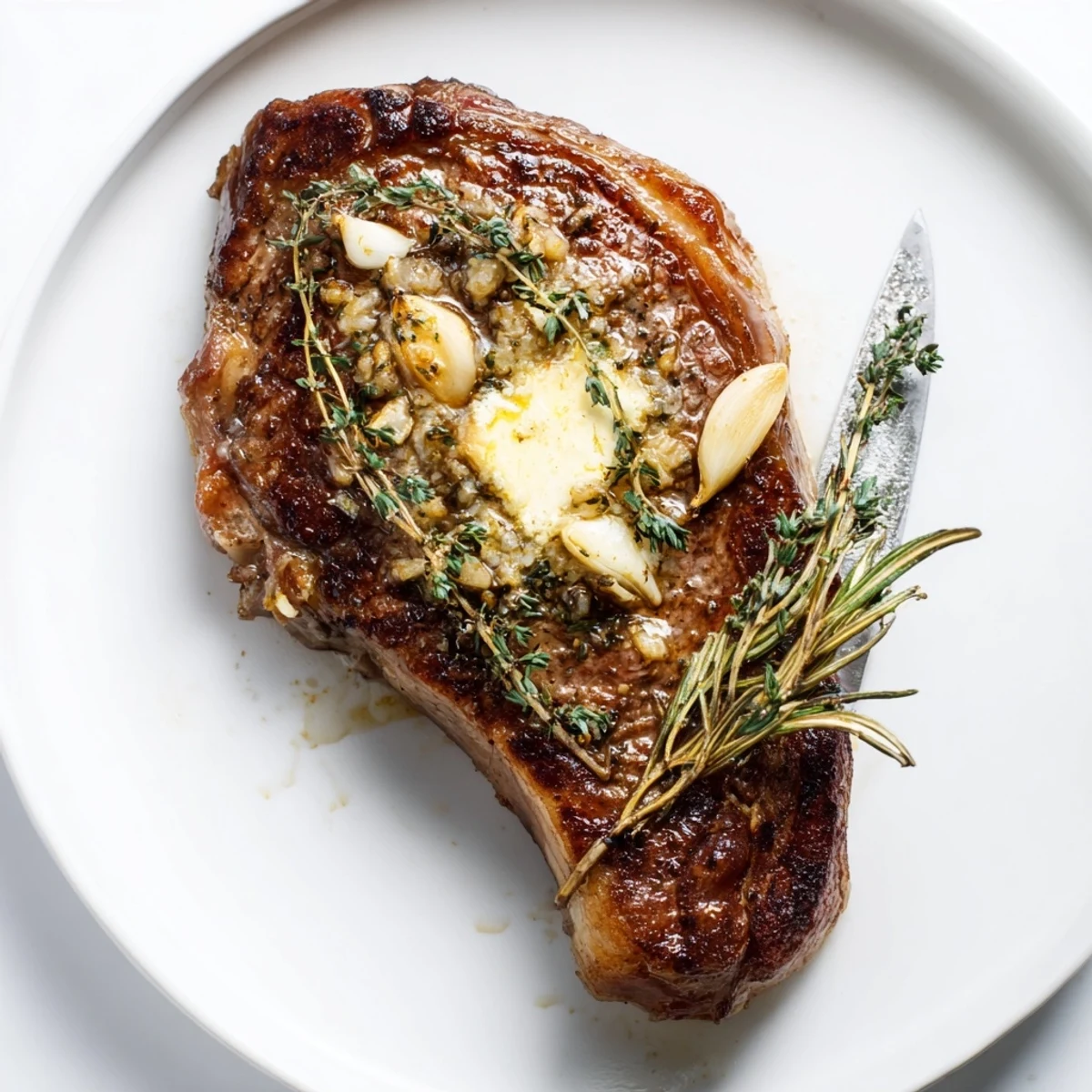
 Master the art of cooking ribeye steak with a professional technique that delivers restaurant-quality results at home. The high-heat searing method creates a beautiful caramelized crust while keeping the interior tender and juicy.
Key steps include bringing steaks to room temperature, seasoning generously, and using the basting technique with garlic butter and fresh herbs. The resting period is crucial for juice redistribution.
Perfect for date nights or special dinners, this straightforward method works for any doneness preference from rare to medium-rare.
My college roommate used to order ribeye at every restaurant we visited, claiming it was the only thing worth spending money on. Years later when I finally tried making them at home, I understood exactly what he meant about that caramelized crust and juicy center.
I made these for my dads birthday last year, and after taking his first bite, he quietly admitted they were better than the expensive steakhouse we usually go to. That moment of triumph still makes me smile.
Ingredients
- Ribeye steaks: The generous marbling is what creates those incredible juices and keeps every bite tender
- Kosher salt: Use it generously and let it sit at room temperature for even seasoning throughout
- Freshly ground black pepper: Grind it right before cooking for the most vibrant aroma and flavor
- Unsalted butter: This becomes your basting liquid and builds layers of flavor as it melts with the aromatics
- Garlic cloves: Smashed rather than minced so they infuse the butter without burning
- Fresh thyme and rosemary: These woody herbs hold up beautifully to high heat and release their oils into the butter
- High heat oil: Neutral oils like canola or avocado can handle the screaming hot temperature needed for searing
Instructions
- Prep the steaks:
- Pat them completely dry with paper towels so they sear instead of steam, then season both sides liberally with salt and pepper
- Get your pan screaming hot:
- Heat a cast iron skillet over high heat for about two minutes until you can feel the heat radiating, then add your oil
- Develop the crust:
- Lay the steaks in the hot pan and resist every urge to touch them for three to four minutes while that gorgeous brown crust forms
- Flip and add the magic:
- Turn the steaks over and immediately drop in your butter, garlic, and herbs so they start sizzling and infusing the fat
- Baste to perfection:
- Tilt the pan slightly and continuously spoon that melting, aromatic butter over the steaks for two to three minutes until they reach your desired doneness
- Let them rest:
- Transfer the steaks to a cutting board and walk away for five whole minutes so the juices can redistribute throughout the meat
 Pin It
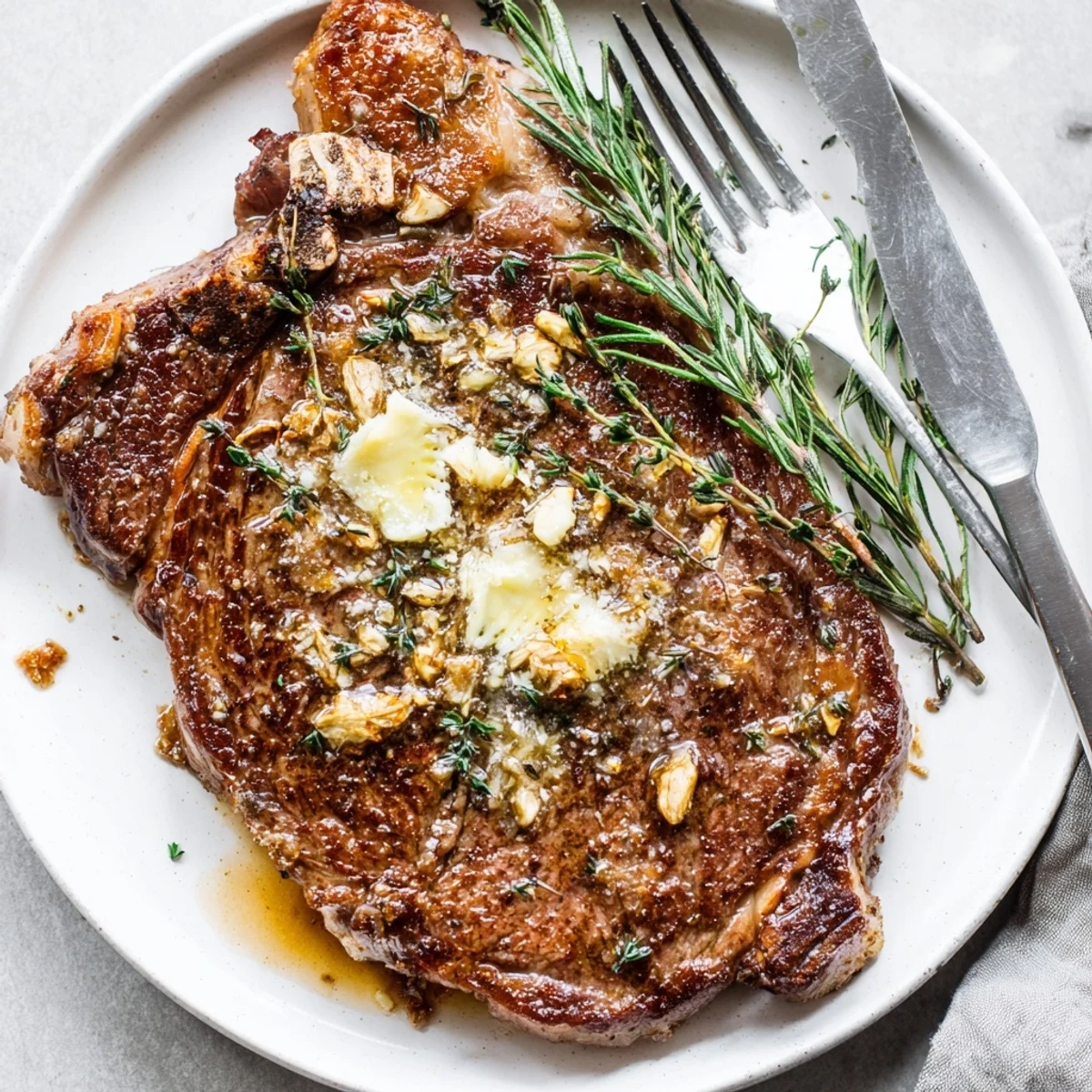
 Theres something deeply satisfying about standing over a hissing cast iron skillet, watching butter foam and knowing that in twenty minutes you will have created something extraordinary.
Choosing the Right Steak
I have learned that thickness matters enormously when cooking steak at home. Anything thinner than an inch tends to overcook before developing that desirable crust, while thicker steaks can be tricky to cook evenly without a reverse sear method. One inch is my sweet spot for achieving that perfect medium rare with a beautifully browned exterior.
Temperature Guidelines
An instant read thermometer takes the guesswork out of steak doneness and prevents the heartbreak of overcooking an expensive piece of meat. I pull my steaks at 125 degrees because they continue cooking as they rest, landing perfectly at medium rare after those five crucial minutes of resting time.
Serving Suggestions
These steaks need nothing more than a simple side to let them shine. I love serving them with roasted vegetables that pick up some of the pan juices, or alongside creamy mashed potatoes that soak up that herb infused butter. A crisp green salad with a bright vinaigrette cuts through the richness beautifully.
- Try finishing with flaky sea salt for a stunning texture contrast
- Warm your serving plates so the steak stays hot longer
- Save the leftover butter from the pan to drizzle over everything on the plate
 Pin It
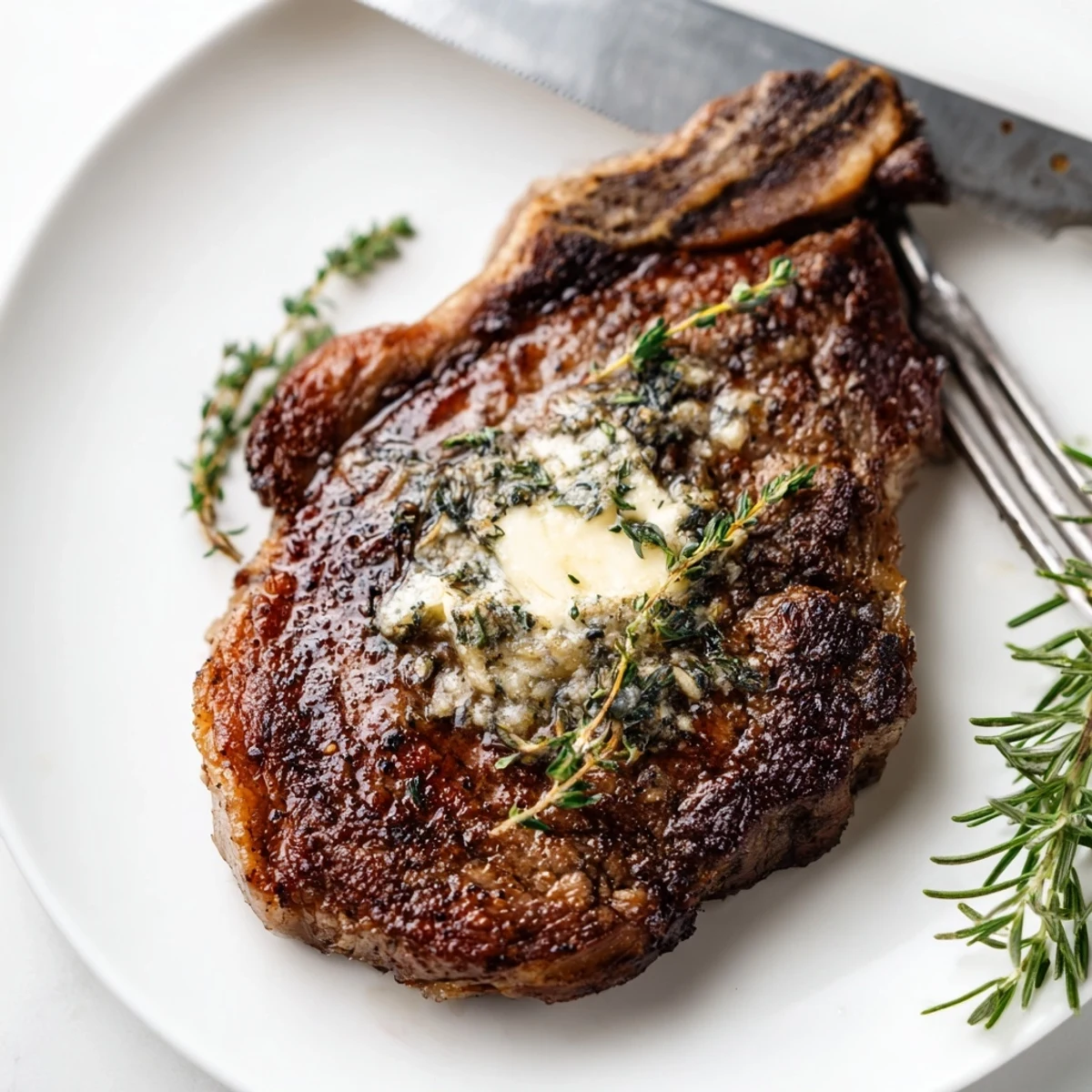
 There is nothing quite like the sound of a steak hitting a hot skillet and the smell that fills your kitchen. This recipe has become my go to for special moments and Tuesday nights alike.
Recipe FAQs
- → What temperature should ribeye steak be cooked to?
-
For rare, aim for 125°F/52°C. For medium-rare, target 135°F/57°C. Use an instant-read thermometer for accuracy.
- → Why is resting the steak important?
-
Resting allows juices to redistribute throughout the meat, ensuring maximum tenderness and preventing them from running out when cut.
- → Can I use a different pan instead of cast iron?
-
Cast iron is ideal for achieving the best sear, but a heavy stainless steel skillet works as well. Avoid non-stick pans as they can't handle the high heat needed.
- → How do I know when the crust is formed?
-
The steak will release naturally from the pan when a golden-brown crust forms. This typically takes 3-4 minutes over high heat.
- → What herbs work best for the basting butter?
-
Thyme and rosemary are classic choices that complement beef beautifully. Fresh sage or oregano can also be used for variation.
- → Should I trim the fat before cooking?
-
Keep the fat cap intact as it adds flavor and moisture during cooking. Trim after resting if preferred.