
 Pin It
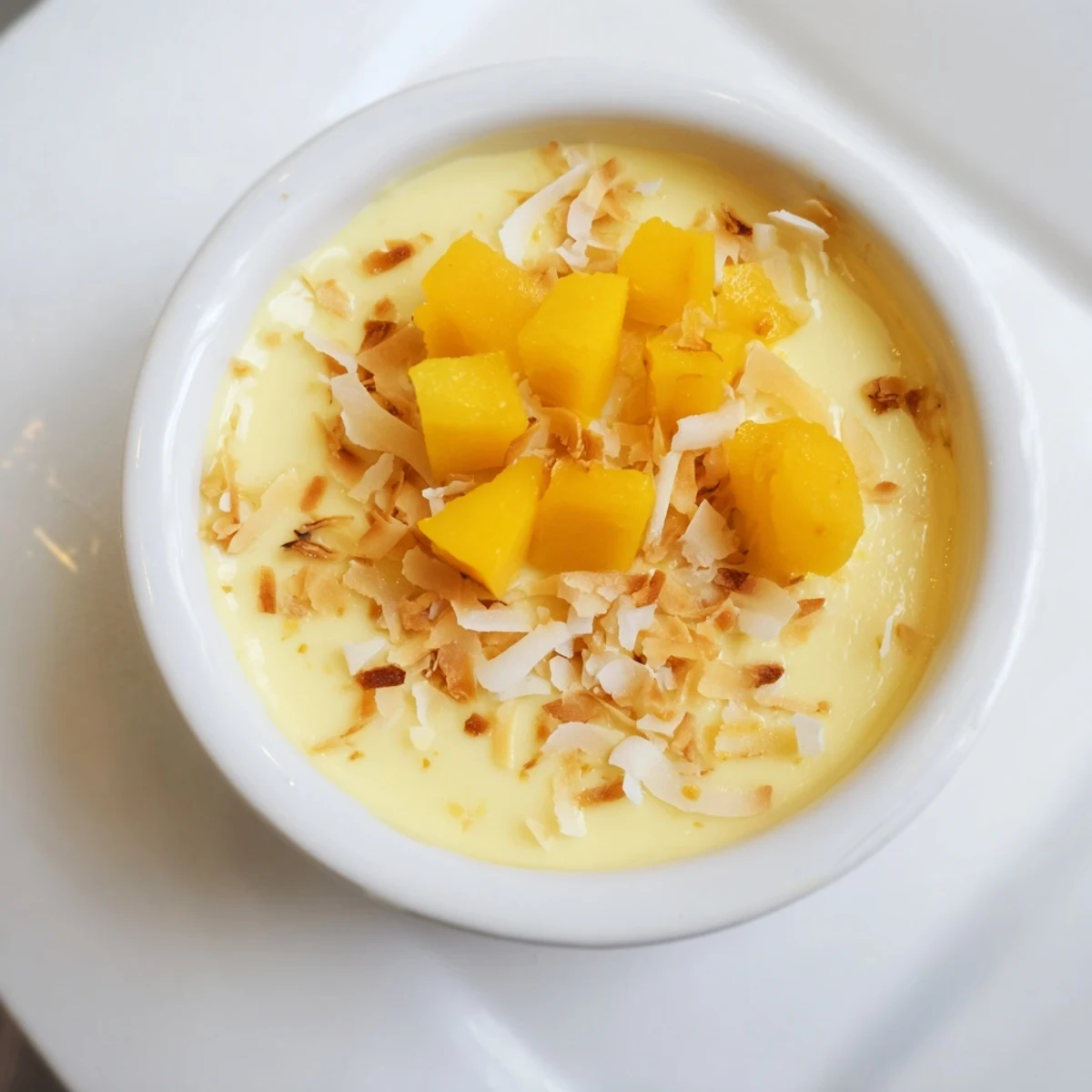
 This traditional Thai dessert features a silky smooth custard infused with creamy coconut milk and aromatic palm sugar. The gentle steaming method creates a delicate, wobbly texture that melts in your mouth. Each serving delivers rich tropical flavors with just 220 calories, making it an ideal light treat after any meal.
Ready in under an hour, this naturally dairy-free and gluten-free sweet combines eggs, full-fat coconut milk, and palm sugar for authentic taste. The custard sets beautifully while remaining slightly jiggly in the center. Top with toasted shredded coconut or fresh mango for extra flair.
The scent of coconut custard steaming on my grandmother's counter takes me back to humid afternoons when we'd perch on stools waiting for dessert to set. She taught me that patience is the secret—rushing the steam means a curdled, weepy custard instead of that silky, just-wobbly perfection. Now I make it whenever I need something that feels like a gentle hug in dessert form.
Last summer I served these at a dinner party and my friend Sarah actually closed her eyes after the first bite. Watching people discover that balance of creamy coconut and gentle sweetness never gets old. It's become my go-to when I want to serve something impressive but not fussy.
Ingredients
- 4 large eggs: Room temperature eggs whisk more evenly and incorporate better with the coconut milk
- 200 ml full fat coconut milk: The fat content creates that luxurious texture—light versions turn out disappointingly thin
- 100 g palm sugar or light brown sugar: Palm sugar adds subtle caramel notes but brown sugar works beautifully in a pinch
- 1/4 tsp fine sea salt: A pinch of salt amplifies the coconut flavor and prevents the dessert from tasting cloying
- 1 tsp vanilla extract: Optional but I never skip it—it rounds out the coconut's tropical intensity
Instructions
- Whisk the eggs gently:
- Combine eggs in a mixing bowl with just enough movement to blend the yolks and whites—overbeating creates unwanted bubbles that cloud the final texture
- Blend in the coconut mixture:
- Pour in coconut milk, palm sugar, salt and vanilla then whisk slowly until the sugar completely dissolves and everything turns silky smooth
- Strain for silkiness:
- Pour the custard through a fine mesh sieve into a pitcher or jug—this step removes any cooked egg bits and guarantees that restaurant quality consistency
- Portion into ramekins:
- Divide the strained mixture evenly among four small heatproof cups or ramekins, tapping each gently to release trapped air bubbles
- Steam with patience:
- Set up your steamer with gently simmering water, carefully place the ramekins inside then cover and steam over low heat for 25 to 30 minutes until just set with a slight wobble in the center
- Chill before serving:
- Let the custards cool completely at room temperature then refrigerate for at least one hour—the flavor deepens and the texture becomes velvety
 Pin It
 My first attempt used reduced fat coconut milk and the result was disappointingly thin, more like a strange soup than a proper custard. That mistake taught me that some recipes really do need full fat ingredients to achieve their magic.
Choosing the Right Coconut Milk
I've learned that not all coconut milks are created equal—shake the can at the store and listen for thick liquid splashing. If it sounds watery, keep looking. Good coconut milk should have a rich, heavy sound and when you open it, there should be a thick cream layer floating on top.
The Pandan Secret
Traditional Thai recipes often call for pandan leaf infusion, which adds an incredible grassy vanilla fragrance. Simply bruise a leaf and steep it in warm coconut milk for 10 minutes before mixing your custard base. Even without it, this dessert shines beautifully.
Perfect Topping Combinations
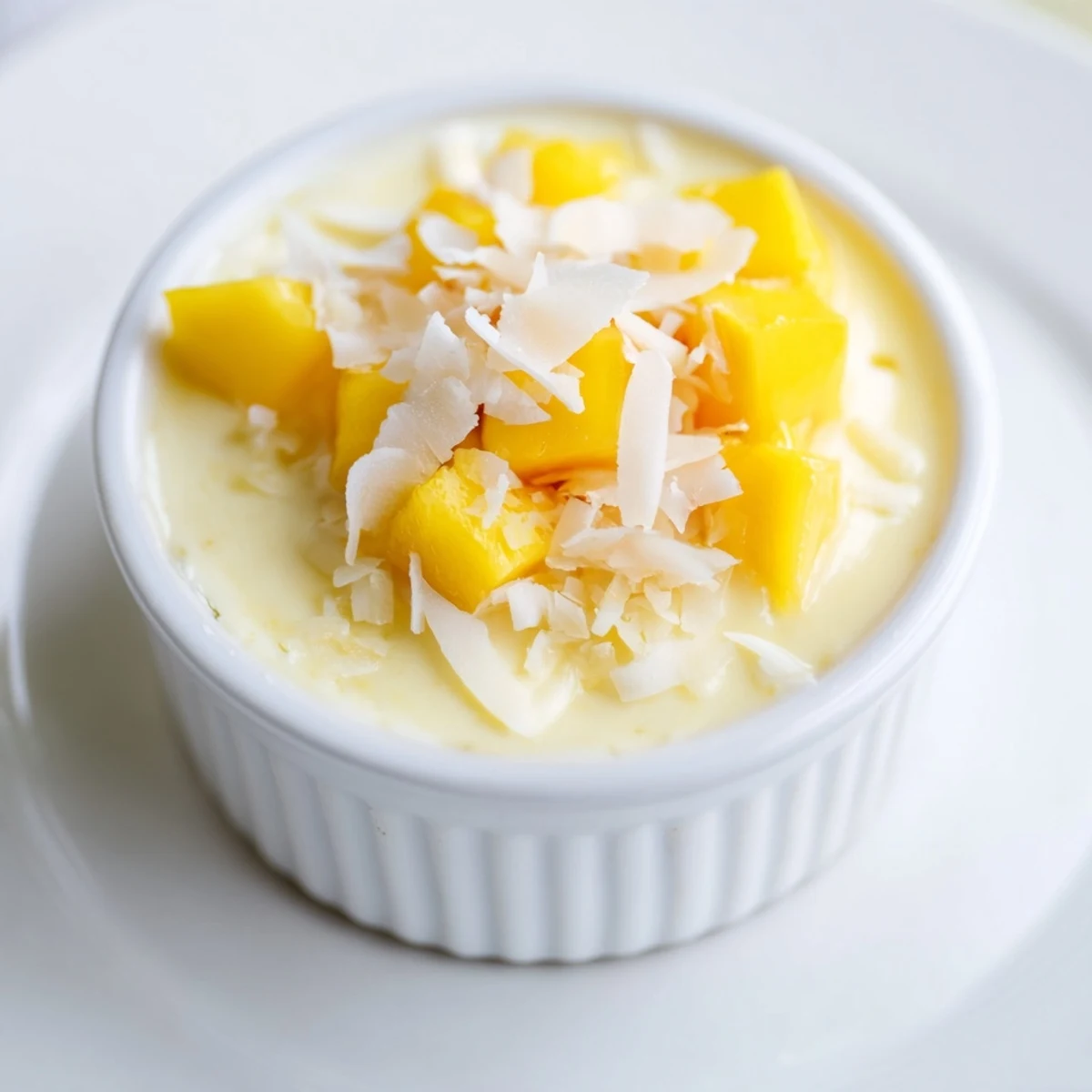
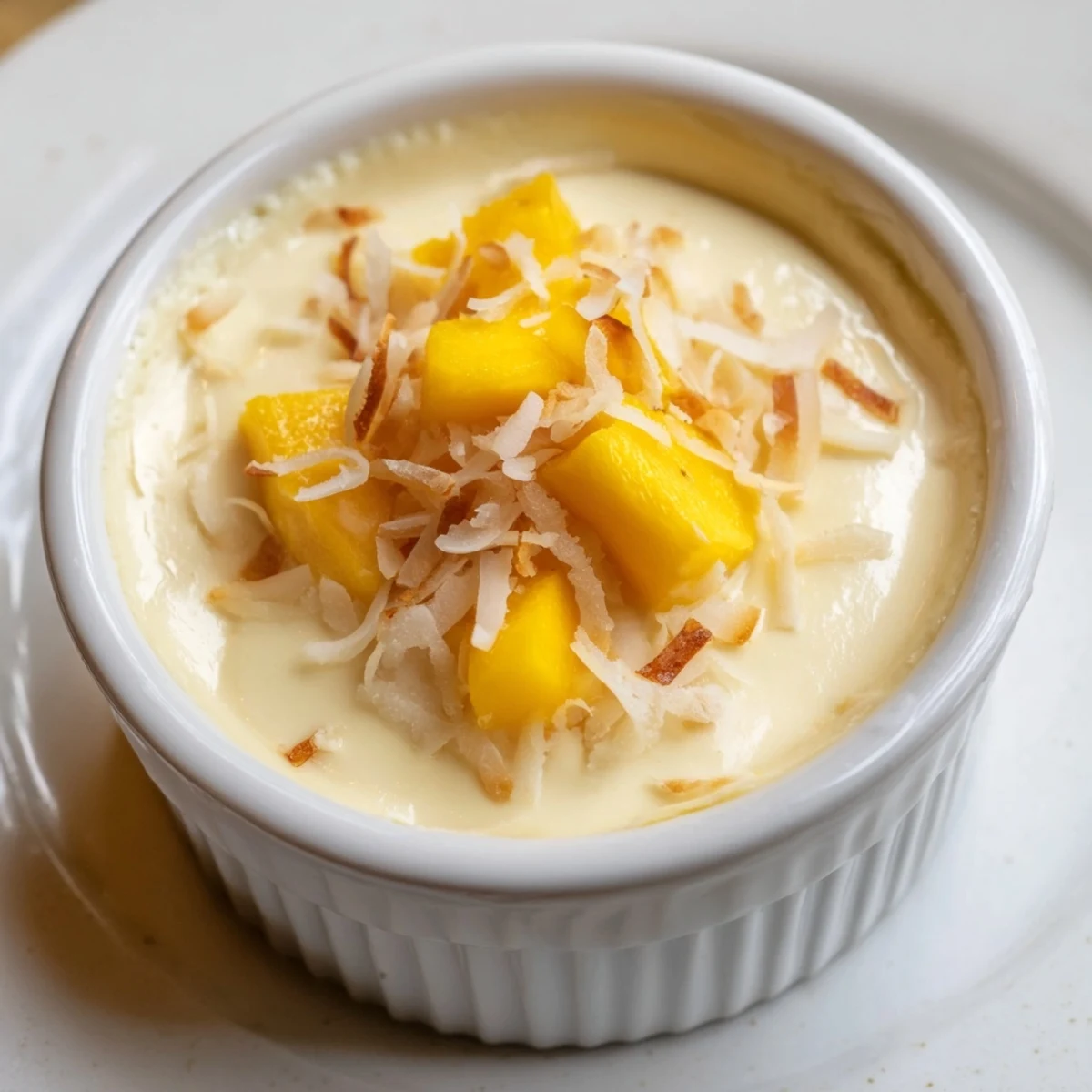
Toasted shredded coconut adds essential crunch contrast to the silky custard, but fresh fruit takes it over the top. Mango is classic for a reason—the bright acidity cuts through the richness.
- Sprinkle sesame seeds right before serving for a nutty finish that everyone asks about
- A pinch of sea salt on top transforms it into something sophisticated
- Leftover custards keep beautifully for two days in the refrigerator
 Pin It
 There's something deeply satisfying about serving a dessert that's both elegant and uncomplicated. This coconut custard has that rare quality of making people feel cared for.
Recipe FAQs
- → What makes Thai coconut custard different from regular custard?
-
Thai coconut custard uses coconut milk instead of dairy, giving it a rich tropical flavor and naturally dairy-free status. The steaming method creates a silkier, more delicate texture compared to baked custards, while palm sugar adds subtle caramel notes.
- → Can I make this custard without a steamer?
-
Yes, you can create a makeshift steamer by placing a heatproof rack inside a large pot with simmering water. Alternatively, bake in a water bath at 325°F (160°C) for roughly 35-40 minutes, though the texture will be slightly denser than the traditional steamed version.
- → How long will the custard keep in the refrigerator?
-
Store cooled custard in airtight containers for up to 3 days. The texture remains creamy, though the surface may develop small droplets—simply stir gently or top with fresh coconut before serving. Add toppings like toasted coconut or fruit just before eating.
- → What can I use instead of palm sugar?
-
Light brown sugar makes an excellent substitute, providing similar depth and caramel notes. Maple syrup or coconut sugar work too, though they may slightly alter the flavor profile. Honey adds distinct floral undertones if you want variation.
- → Why does my custard sometimes curdle during steaming?
-
Curdling occurs from excessive heat or over-whisking eggs, which creates air bubbles. Steam gently over low-medium heat and avoid opening the lid frequently. Straining the mixture through a fine mesh sieve before pouring also removes bubbles and ensures silky results.
- → What fruit pairs best with this custard?
-
Fresh mango creates a classic Thai combination, balancing creamy coconut with sweet-tart fruit. Lychee, pineapple, or passion fruit work beautifully too. For textural contrast, sliced bananas or tart berries complement the rich, smooth custard base.